In the bustling environment of healthcare, ensuring the safety of both medical professionals and patients is of utmost importance. Disposable gowns play a pivotal role in this regard, acting as a crucial barrier against potential contaminants. The terms disposable cpe gown, disposable doctor gown, disposable gown for doctors, disposable gown for hospital, and disposable gown medical represent different types of protective wear that have become essential in medical settings. But what makes each of these gowns unique, and how do they contribute to maintaining a sterile and safe healthcare environment?
The Protective Power of Disposable CPE Gowns
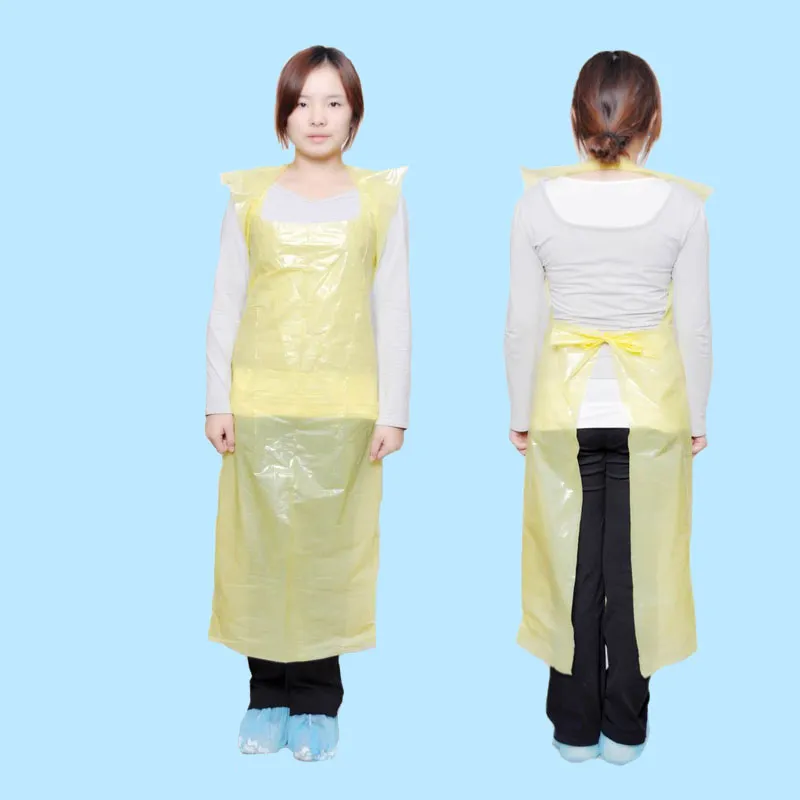
In high - risk medical scenarios where exposure to hazardous substances or highly contagious pathogens is a concern, disposable cpe gowns come into play. CPE, or chlorinated polyethylene, is a material known for its excellent chemical resistance and barrier properties. These gowns are often used during surgical procedures, especially when dealing with substances that could potentially penetrate regular fabric. For instance, during operations involving the use of certain chemicals or when treating patients with highly infectious diseases, disposable cpe gowns create a reliable shield. Their ability to resist liquid penetration and block the passage of tiny particles ensures that medical staff are well - protected. How do these gowns stack up against other types of disposable medical gowns in terms of overall protection?
Disposable Doctor Gowns: Tailored for Professional Care
Disposable doctor gowns are specifically designed with the needs of medical practitioners in mind. These gowns are commonly worn during routine patient examinations, consultations, and minor procedures. They offer a balance between comfort and protection, allowing doctors to move freely while still safeguarding themselves from potential contaminants such as body fluids or infectious agents. Made from lightweight and breathable materials, disposable doctor gowns are easy to put on and take off, saving valuable time during busy clinic hours. But how do these gowns ensure that doctors can focus on patient care without compromising their own safety?
Disposable Gowns for Doctors: A Closer Look at Functionality
When considering disposable gown for doctors, functionality is key. These gowns often feature practical design elements like adjustable closures, whether it's ties at the back or Velcro straps. This ensures a secure fit for doctors of different sizes, preventing any gaps that could allow contaminants to reach the wearer's skin or clothing. Additionally, many disposable gown for doctors are designed with long sleeves and a full - length cut to provide comprehensive coverage. How do these design features enhance the effectiveness of these gowns in real - world medical settings?
Disposable Gowns for Hospital: Meeting the Demands of a Busy Environment
Hospitals are dynamic environments with a constant flow of patients and medical staff. Disposable gown for hospital is a crucial component in maintaining hygiene and preventing the spread of infections within these settings. These gowns are used not only by doctors and nurses but also by other hospital staff, such as orderlies and visitors in certain situations. They need to be durable enough to withstand regular use yet disposable for convenience and to minimize the risk of cross - contamination. With the high turnover of gowns in a hospital, how are these disposable gown for hospital selected to ensure both cost - effectiveness and quality?
Disposable Gown Medical: The Core of Healthcare Protection
Disposable gown medical encompasses a wide range of protective wear used across various medical applications. From basic patient care to specialized surgical procedures, these gowns are the frontline defense against the spread of diseases. They are made from a variety of materials, each with its own set of advantages depending on the specific requirements of the medical task at hand. Whether it's a simple non - woven fabric gown for general use or a more advanced, high - barrier gown for high - risk procedures, disposable gown medical is essential for maintaining a sterile environment. But how do medical facilities ensure that they are using the most appropriate disposable gown medical for each situation?

FAQs about Disposable Medical Gowns
How can one determine the quality of a disposable medical gown?
Assessing the quality of a disposable gown medical involves several factors. Start by checking for proper certifications, such as those from relevant medical regulatory bodies. Examine the material; it should feel sturdy yet not overly thick to restrict movement. Look at the seams and closures - they should be well - made and secure. Additionally, consider the gown's fluid resistance and breathability. Conducting a small - scale test, if possible, can also give insights into its performance.
Are there specific guidelines for storing disposable gowns?
Yes, proper storage is crucial for maintaining the integrity of disposable cpe gown, disposable doctor gown, and other types of disposable medical gowns. They should be stored in a cool, dry place away from direct sunlight and sources of heat. Ensure the storage area is clean and free from dust or potential contaminants. Gowns should be kept in their original packaging until ready for use to prevent any damage or contamination.
Can disposable gowns be recycled?
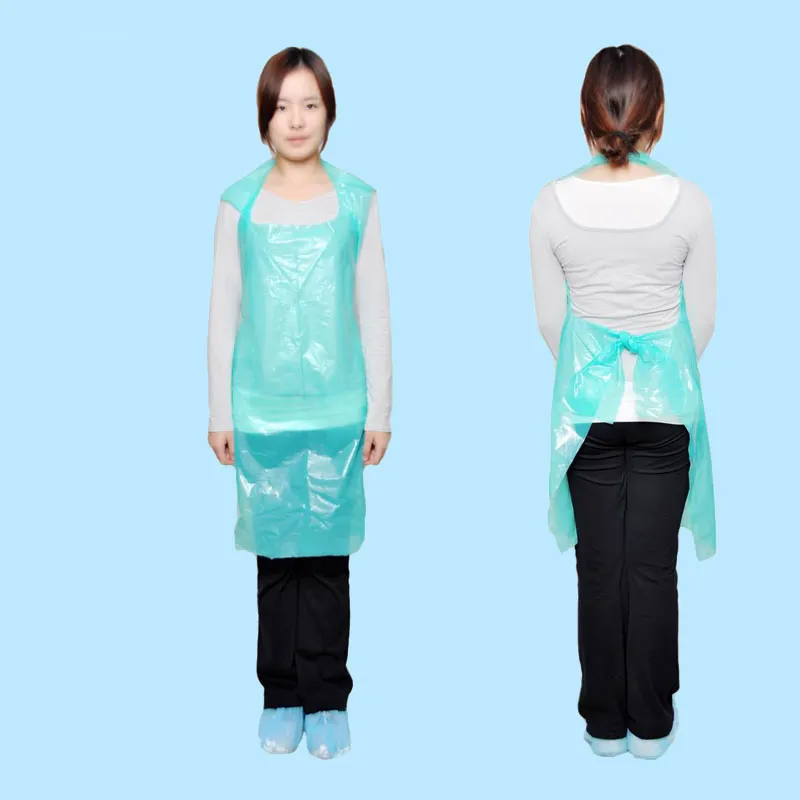
The recyclability of disposable gown for hospital and other disposable medical gowns depends on the material they are made of. Some non - woven gowns may be recyclable, but due to the potential for contamination, most are considered medical waste and need to be disposed of according to strict medical waste guidelines. It's important to check local regulations and waste management procedures to ensure proper disposal.
How often should a disposable gown be changed during a medical procedure?
The frequency of changing a disposable gown for doctors or any disposable medical gown during a procedure depends on the nature of the task and the level of contamination risk. In general, if the gown becomes visibly soiled, wet, or damaged, it should be changed immediately. For longer procedures, it may be advisable to change the gown at regular intervals to maintain optimal protection.
Мам . 12, 2025 11:53