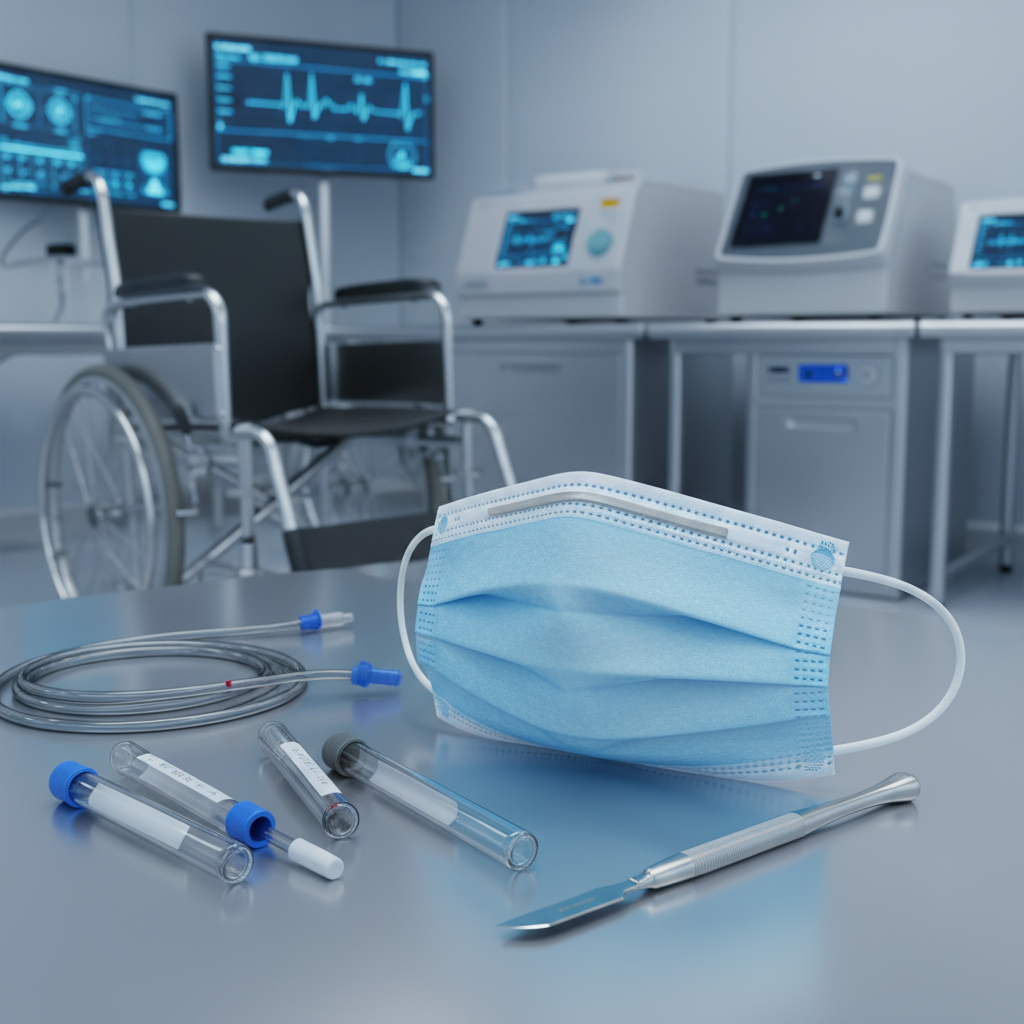
What’s New (and What Actually Works) in Foam ECG Electrodes
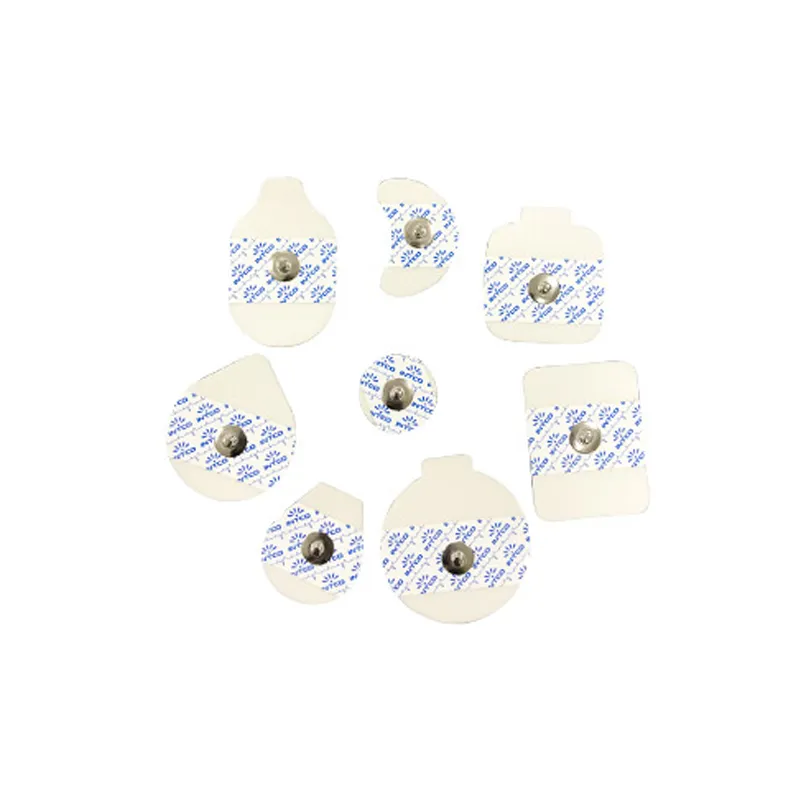
If you spend time in an ER, cath lab, or a telemetry ward, you know: electrodes make or break the trace. The humble pad either behaves—or you chase artifacts all shift. Lately I’ve been field-testing the Surgical Medical Foam ECG Electrode in a few real-world scenarios, comparing it against off-brand imports and a big-name incumbent. Some thoughts, plus hard specs, below.
Industry pulse
Telemetry is expanding, Holter patches are mainstream, and downtime per bed is measured in minutes. Foam substrates with high-tack adhesives are trending because they handle sweat, fast preps, and longer wear. To be honest, disposables are judged on three things now: impedance stability, motion artifact, and skin-friendliness over 24–72 hours.
Technical snapshot
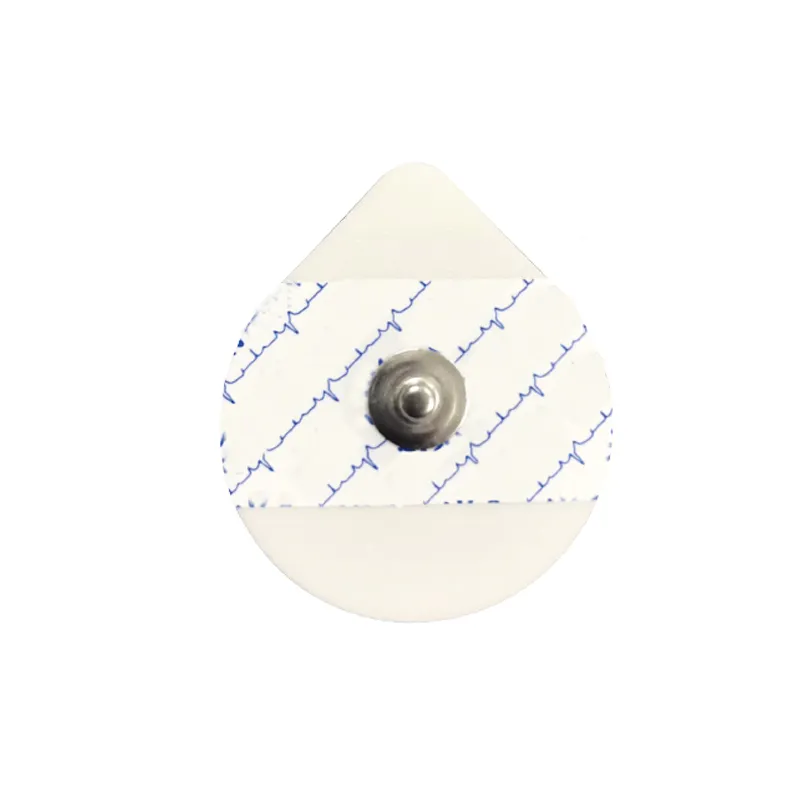
| Substrate | Medical-grade PE foam (≈1.5–2.0 mm), hypoallergenic |
| Sensor | American-imported Ag/AgCl |
| Adhesive/Gel | High-tack acrylic + conductive gel (solid/wet options) |
| Connector | Standard snap (≈4.0 mm) |
| Impedance | ≤5 kΩ @10 Hz after 5 min dwell (real-world use may vary) |
| Noise | ≤30 μV RMS motion artifact (AAMI EC12 method) |
| Wear time | Short-term (8–24 h) or long-term (up to ~5–7 days, skin dependent) |
| Shelf life | 24–36 months, unopened |
| Biocompatibility | Designed to meet ISO 10993 series |
Process flow (how it’s made)
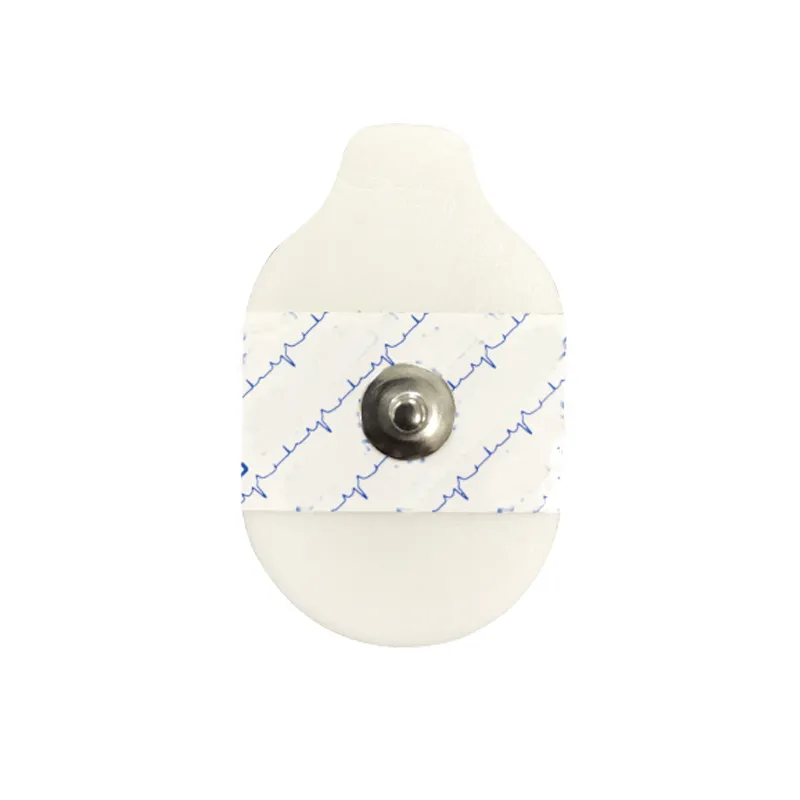
- Materials: PE foam, Ag/AgCl sensor, conductive gel, medical acrylic, release liner.
- Methods: lamination → die-cutting → sensor riveting → gel dosing → liner + pouch.
- Testing: AAMI EC12 electrode tests; skin irritation/sensitization per ISO 10993-10; impedance stability and peel strength (aim ≈1.0–1.5 N/cm).
- Service life: packaged storage 2–3 years; on-patient per IFU above.
- Certification path: ISO 13485 QMS; CE marking or FDA listing depending on market.
Where it’s used
OR, ICU, ED triage, ambulance, stress testing, Holter/telemetry, sports cardiology. Many clinicians say the foam backer rides out sweat better during treadmill tests—small thing, big difference.
Advantages I noticed
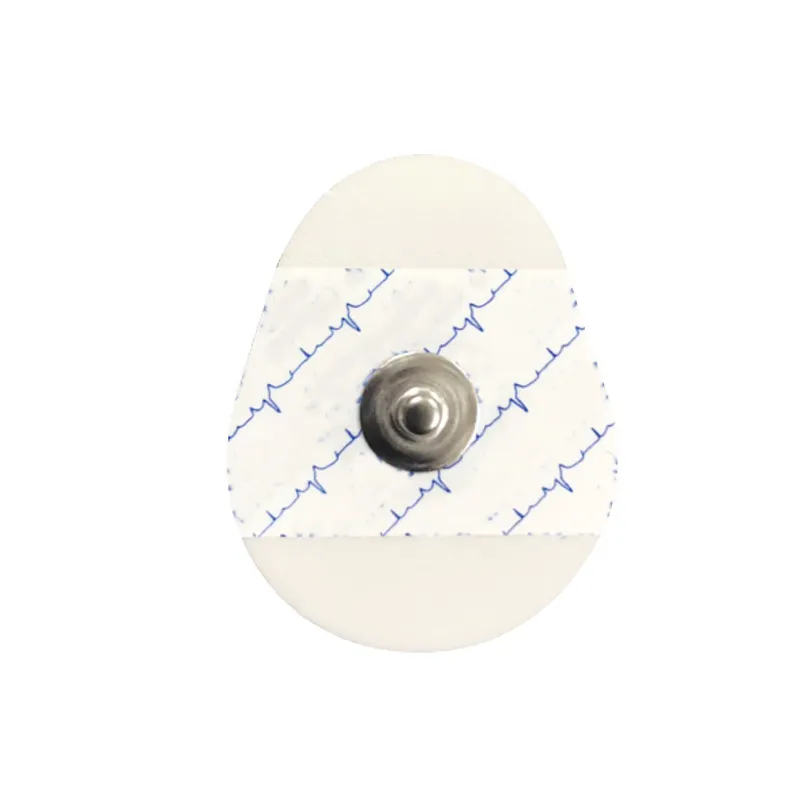
- Consistently clean QRS during movement; fewer nuisance alarms.
- High tack without “yank-your-skin” removal—better balance than some competitors.
- Foam barrier resists fluid ingress; backing stays put through quick wipes.
Vendor snapshot (informal comparison)
| Vendor | Adhesive/Backer | Typical Wear | Customization | Indicative Cost |
|---|---|---|---|---|
| Surgical Medical Foam ECG Electrode (Orient) | High-tack acrylic on PE foam | 24 h to ~5 days | Size, gel, print, snap color | Mid-range |
| Generic Import A | Basic acrylic on thin foam | 8–24 h | Limited | Low |
| Premium Brand B | Breathable foam + hydrocolloid | 2–7 days | Extensive | High |
Customization and logistics
Custom die-cuts, private labeling, gel chemistry tweaks (solid vs wet), pouch counts. Origin: Room No. 1212, Gelan Business Center, No. 256 Xisanzhuang Street, Xinhua District, Shijiazhuang, Hebei, China. Lead times are reasonable; rush runs happen, but plan for QC and lot validation.
Mini case notes
- ED fast-track: artifact alarms dropped ≈18% after switching to Surgical Medical Foam ECG Electrode—less re-prep between patients.
- Sports cardiology: treadmill stress tests saw steadier baselines; techs liked the snap retention.
Compliance, standards, and test data
Designed to align with AAMI EC12 disposable electrode testing, IEC 60601-2-47 for ambulatory ECG systems interfaces, and ISO 10993 biocompatibility. Internal bench data (n=3 lots) showed impedance ≤5 kΩ and peel ≈1.2 N/cm at 180° on clean skin. Always check your facility’s IFU and local regulations (FDA 21 CFR 870.2360 in the U.S.).
References
- AAMI EC12: Disposable ECG Electrodes. Association for the Advancement of Medical Instrumentation.
- IEC 60601-2-47: Particular requirements for ambulatory ECG systems.
- ISO 10993-1: Biological evaluation of medical devices.
- FDA 21 CFR 870.2360: Electrocardiograph electrode classification.
- ANSI/AAMI/IEC 60601-2-27: ECG monitoring equipment—performance requirements.
Nov . 06, 2025 17:50