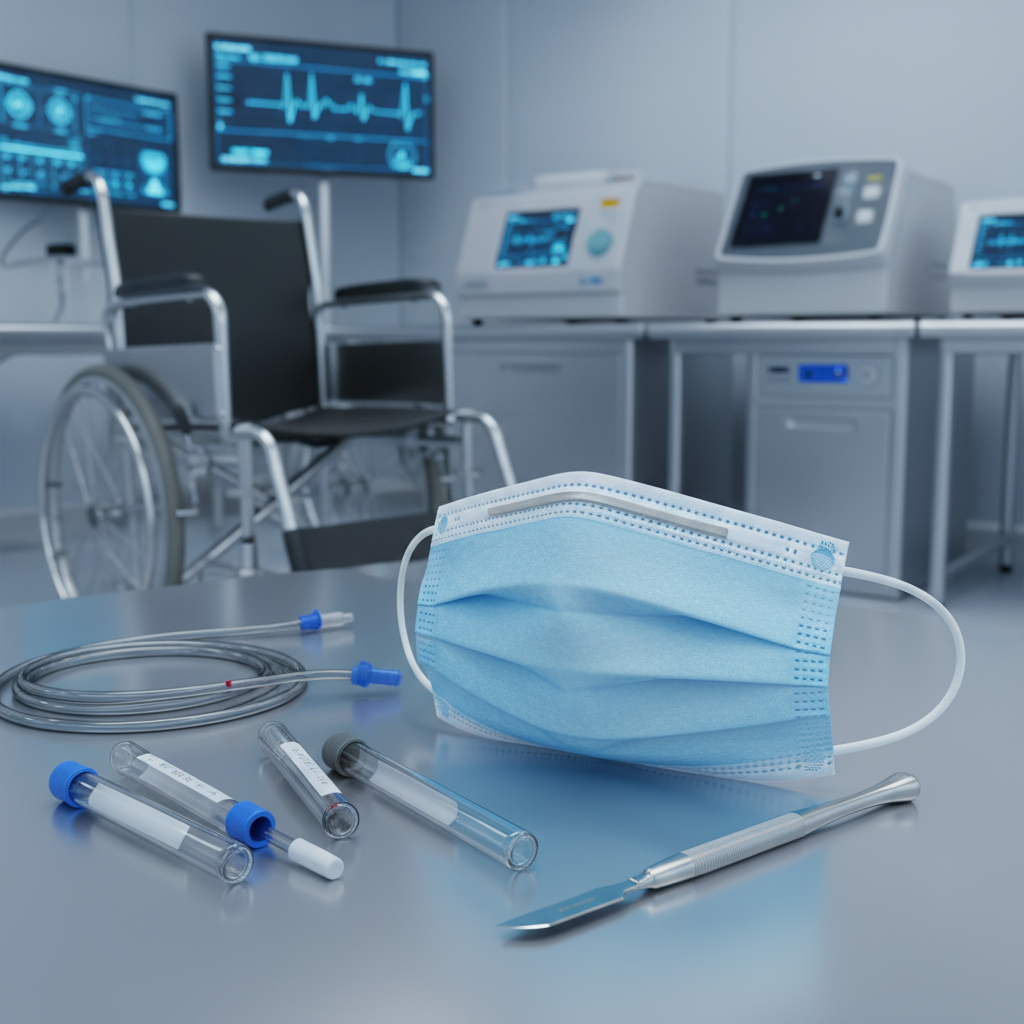
Surgical Protection Glasses: Essential Gear for Safety and Comfort
After more than a decade working around industrial and medical equipment, I’ve seen firsthand how safety gear evolves — sometimes subtly, sometimes in leaps. Surgical protection glasses are a quiet hero in that evolution. Their importance is obvious: they shield healthcare professionals from infectious droplets and debris. Yet, the difference between a bulky, uncomfortable pair and a well-designed, almost forgettable set of glasses is enormous.
Oddly enough, it feels like the emphasis on comfort is catching up only recently, even though these glasses have been around for ages. Back when I started, the options were heavier, often fogged up quickly, and frankly, a distraction during long shifts. Nowadays, materials, coatings, and ergonomic design have made a meaningful difference.
Materials and Testing: What Makes Great Surgical Glasses?
Most surgical glasses utilize polycarbonate lenses — tough, lightweight, and providing impact resistance that meets or exceeds standards like ANSI Z87.1. This standard is key, as it ensures the glasses can withstand potential strikes from tiny flying particles. Many engineers I trust also praise the anti-fog and anti-scratch coatings, which frankly can make or break the user experience.
Comfort-wise, adjustable nose pads and temple arms designed to distribute pressure evenly reduce fatigue during all-day wear. Some models even incorporate side shields seamlessly, rather than as attachable extras, which reduces gaps.
Product Specifications: What to Look For
| Feature | Specification |
|---|---|
| Lens Material | Polycarbonate, anti-fog & scratch-resistant coating |
| Frame Material | Lightweight nylon or thermoplastic polyurethane (TPU) |
| Standards Compliance | ANSI Z87.1, CE EN166 |
| Weight | Typically 25-35 grams |
| Temple Style | Adjustable or flexible with anti-slip tips |
| Side Protection | Integrated side shields or clip-on shields |
Vendor Comparison: Finding the Right Surgical Glasses Supplier
| Vendor | Product Range | Customization | Pricing | Lead Time |
|---|---|---|---|---|
| Orient Medicare | Wide (various glasses & PPE) | Logo engraving, color options | Competitive and volume discounts | 7-10 working days |
| MediEquip Supplies | Moderate (focus on eyewear) | Limited customization | Mid-range | 5-7 working days |
| SafeGuard Tech | Narrow (specializes in shields) | No customization | Lower price but basics only | 3-5 working days |
Usage Insights and Real-World Impressions
I remember visiting a hospital where one nurse confided that her old glasses kept sliding down and fogging up during critical procedures — “a literal pain,” she said. When she switched to a pair from a newer line incorporating adjustable nose pads and anti-fog coatings, it improved her focus and reduced distractions. Stories like hers aren’t rare, and they illustrate the direct connection between well-designed surgical glasses and performance.
For industrial equipment specialists, this is a reminder that PPE isn’t just a checkmark; it’s a tool for safer, more efficient work. The evolution of surgical protection glasses reveals how technology and user feedback converge to offer better solutions. And frankly, anyone working a long shift should care about that kind of comfort and reliability.
In real terms, as healthcare environments grow more complex, the demand for adaptable, comfortable, and robust surgical glasses will likely continue — and frankly, that’s a good thing for everyone involved.
Just like any other piece of gear in my field, choosing the right surgical protection glasses can save time, prevent hassles, and in some cases, safeguard lives.
References:
1. ANSI/ISEA Z87.1-2020 – American National Standard for Occupational and Educational Personal Eye and Face Protection Devices
2. European Standard EN 166:2001 – Personal Eye Protection
3. User Feedback via Industrial Healthcare Safety Forums, 2022
Jan . 05, 2026 04:10