Look, I’ve spent the last twenty years tracking materials across job sites – hospitals, labs, even FEMA deployments. You quickly learn what holds up, what doesn’t, and what truly protects people. We're talking about white disposable gowns here, and it’s not just about ticking a box on a compliance sheet. It’s about giving technicians, doctors, and even first responders a barrier they can trust. For years, we were stuck with flimsy, uncomfortable options. Now, things are changing.
The demand for reliable protection has skyrocketed, driven by global health concerns and increasingly stringent regulations. We’re not just talking about healthcare anymore; industries like pharmaceuticals, food processing, and even microelectronics are realizing the need for consistent, high-quality disposable garments. The shift isn’t simply about quantity, it's about quality and availability. Supply chain disruptions have highlighted vulnerabilities, making a robust and reliable source of white disposable gowns critical.
Honestly, it comes down to peace of mind. Knowing the people doing vital work aren’t compromised by inadequate gear? That’s worth a lot. And the truth is, a well-chosen gown can save time and money in the long run – fewer changeovers, reduced contamination risks, and improved overall efficiency.

The Importance of White Disposable Gowns in Modern Industries
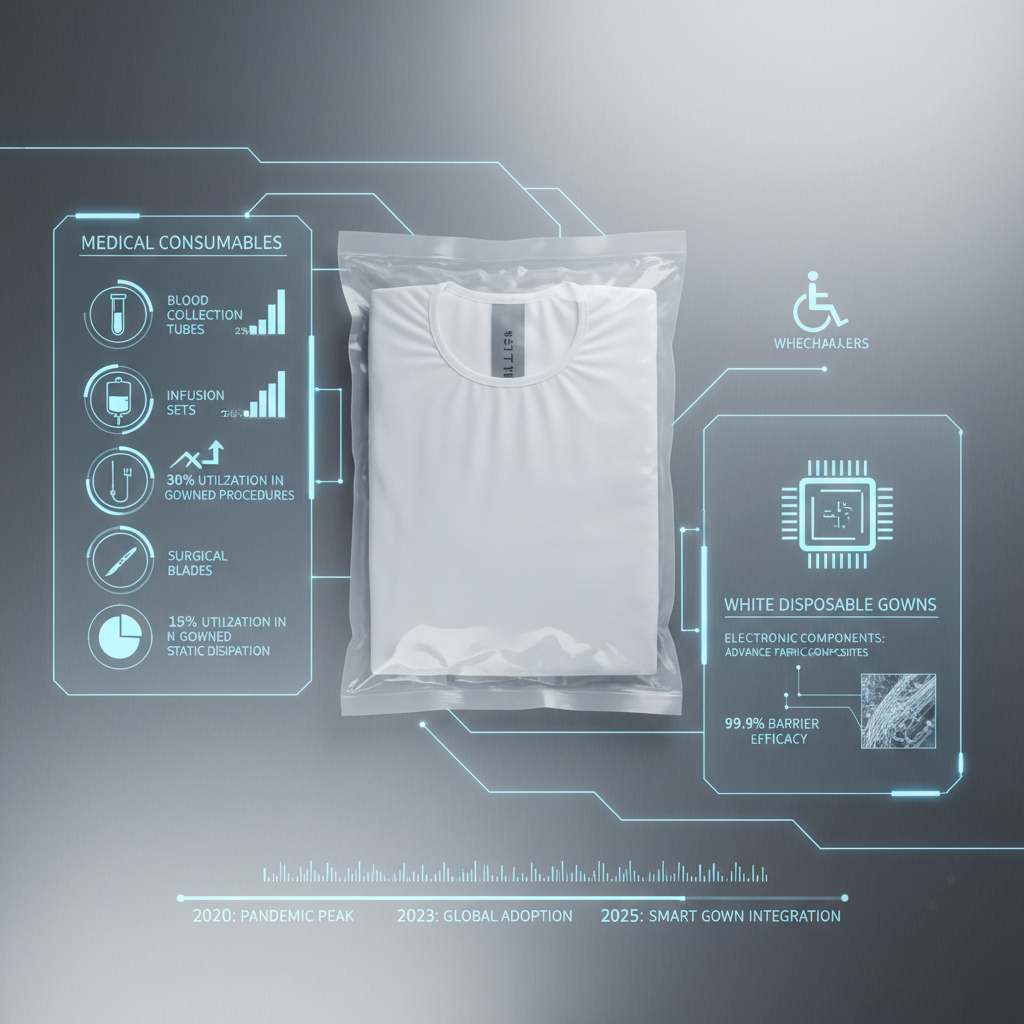
You see these gowns everywhere now, and it's not just a pandemic thing. They’re absolutely vital in maintaining sterile environments. I've seen firsthand how a simple gown can prevent contamination in a pharmaceutical lab or protect a technician working with hazardous materials. It’s about more than just the garment itself; it’s about establishing a culture of safety and adherence to protocols. White disposable gowns are the first line of defense in a lot of critical processes.
It’s a global need, plain and simple. The World Health Organization emphasizes proper infection control practices, and that includes appropriate personal protective equipment. And it’s not just about high-income countries, either. Developing nations need access to affordable, reliable gowns just as much, especially when dealing with outbreaks or limited resources.
FAQS
These levels denote the degree of protection offered. Level 1 provides minimal barrier protection, suitable for low-exposure situations. Level 2 offers moderate protection and is commonly used for routine procedures. Level 3 provides the highest level of protection against fluid penetration and is ideal for high-risk scenarios like surgical procedures or handling infectious materials. It's important to select the appropriate level based on the specific task and potential exposure risk.
Disposable gowns should be treated as biohazardous waste and disposed of in designated biohazard containers. Do not simply discard them in regular trash. Follow your facility’s specific protocols for handling and disposal of regulated medical waste. Proper disposal is crucial for preventing the spread of infection and protecting the environment.
Most quality disposable gowns are designed to be breathable, utilizing materials like polypropylene that allow air circulation. However, breathability can vary depending on the gown’s construction and thickness. Higher breathability generally equates to greater comfort, especially during prolonged wear, reducing the risk of overheating and discomfort. Look for gowns specifically marketed for their breathability.
Disposable gowns typically come in a range of sizes, from small to extra-large. It's best to consult a sizing chart provided by the manufacturer. The gown should comfortably cover the body, allowing for a full range of motion without being too tight or too loose. Ensure the sleeves are long enough to cover the wrists and the gown extends to the knees or lower.
The most common material used in white disposable gowns is polypropylene, a non-woven synthetic fabric. Polypropylene offers a good balance of fluid resistance, breathability, and cost-effectiveness. Other materials, like polyethylene, may be used for coatings or specific features. Some newer gowns are experimenting with biodegradable materials, but polypropylene remains the industry standard.
Look for gowns that meet relevant standards, such as ASTM F2100 (Standard Specification for Performance of Materials Used in Medical Apparel). Check for certifications and ensure the manufacturer has a good reputation. Evaluate the gown’s fluid resistance, tear strength, and breathability. Don't solely focus on price; prioritize quality and protection.
Conclusion
In the end, white disposable gowns aren’t just pieces of fabric; they’re a crucial component of a safe and efficient working environment. From healthcare to manufacturing, they protect workers, maintain product integrity, and prevent the spread of contamination. Understanding their characteristics, applications, and future trends is vital for anyone involved in risk management, procurement, or infection control.
Investing in high-quality gowns, prioritizing proper usage, and embracing sustainable solutions are essential for the future. We’re moving towards a world where protection isn’t just about compliance, but about fostering a culture of safety, dignity, and responsibility. For more information and to explore our range of disposable gowns, visit our website: www.orientmedicare.com.