White Surgical Face Mask: A Comprehensive Guide
In today’s world, prioritizing health and safety is paramount. White surgical face masks are a crucial component in infection control, offering a barrier against respiratory droplets and aerosols. This article will provide an in-depth look at these masks, covering their uses, benefits, standards, and where to source high-quality options. Understanding the importance of proper mask selection and usage is key to safeguarding health in various settings.

What Are White Surgical Face Masks?
White surgical face masks, also known as medical face masks, are loose-fitting disposable devices that create a physical barrier between the mouth and nose of the wearer and potential contaminants in the immediate environment. They are primarily designed to prevent the spread of infection and protect both the wearer and those around them. These masks are commonly used in healthcare settings, but have become increasingly prevalent in everyday life to mitigate the risk of airborne illnesses. Orient Medicare offers a wide range of surgical masks meeting stringent quality standards.
Key Features: Lightweight, breathable, disposable, fluid-resistant, and designed for comfortable extended wear.
The Importance of Standards and Certifications
Not all surgical face masks are created equal. It's vital to choose masks that meet recognized standards and certifications. Key standards include: ASTM Level 1, 2, and 3 (American Society for Testing and Materials), and EN 14683 (European Standard). These standards define the mask’s fluid resistance, breathability, and filtration efficiency. Masks with higher ASTM levels offer greater protection against fluids. Always look for masks with a CE marking, indicating conformity with European health, safety, and environmental protection standards. When sourcing from Orient Medicare, you can be confident in the quality and certification of their products.
Key Standards & Certifications:
• ASTM Level 1, 2, & 3
• EN 14683
• CE Marking
White Surgical Face Mask vs. Other Mask Types
It's essential to understand the differences between various types of masks. N95 respirators, for instance, offer a higher level of filtration than surgical masks, but require a tight fit and are typically reserved for healthcare professionals dealing with highly infectious diseases. Cloth masks provide some level of protection, but are generally less effective at filtering airborne particles than surgical masks. Surgical masks offer a balance of protection, breathability, and affordability. Orient Medicare’s surgical masks are designed for consistent performance and reliability.
Applications of White Surgical Face Masks
The applications of surgical face masks are diverse. In healthcare, they are used to protect both patients and medical personnel during procedures and routine examinations. They are also vital in dental practices, laboratories, and pharmacies. Outside of healthcare, they are used by individuals to prevent the spread of respiratory illnesses in public spaces, during travel, and in workplaces.
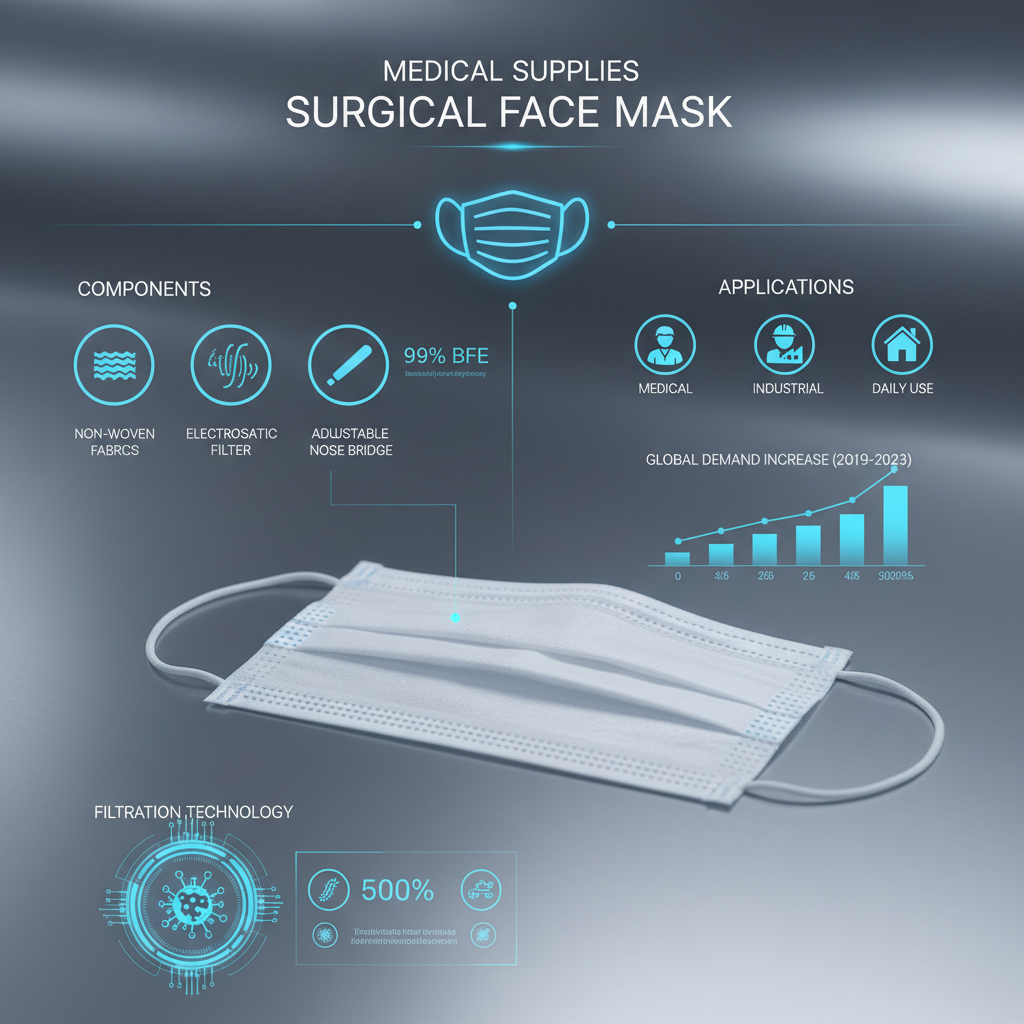
Product Specifications and Key Features from Orient Medicare
Orient Medicare provides high-quality white surgical face masks with the following specifications:
Conclusion: Protecting Health with Quality Masks
White surgical face masks are an essential tool in preventing the spread of infection. Choosing masks that meet established standards and sourcing them from reputable suppliers like Orient Medicare ensures you receive a reliable and effective product. Prioritizing quality and proper usage is critical for safeguarding both personal and public health.
Frequently Asked Questions (FAQs)
How often should I change my surgical face mask?
Surgical face masks should be changed whenever they become damp, soiled, or visibly contaminated. Even if the mask appears dry, it’s recommended to change it after 2-3 hours of continuous use. Proper disposal is also crucial - discard used masks in a designated waste container. Avoid reusing single-use masks, as this compromises their effectiveness. Maintaining a fresh mask ensures optimal protection against airborne particles and pathogens.
What is the correct way to wear a surgical face mask?
Ensure the colored side (if applicable) faces outward. Place the mask over your nose and mouth, ensuring a snug fit. Secure the ear loops or ties comfortably behind your ears. Pinch the metal nose clip to conform to the shape of your nose, creating a secure seal. The mask should cover your nose, mouth, and chin completely. Avoid touching the mask while wearing it, and wash your hands thoroughly before and after handling the mask.
Are surgical masks suitable for everyone?
While generally safe, surgical masks may not be suitable for individuals with certain respiratory conditions. People with severe lung diseases, such as COPD, may experience difficulty breathing while wearing a mask. It's essential to consult with a healthcare professional if you have concerns about wearing a mask. Also, masks are not a substitute for other preventive measures, such as social distancing and hand hygiene.
Where can I purchase high-quality surgical face masks?
Orient Medicare is a trusted source for high-quality surgical face masks. We offer a variety of options meeting stringent industry standards and certifications. We also ensure a reliable supply chain and competitive pricing.
Mar . 03, 2026 18:55