- Introduction to nebulizer for home use
and its growing demand - Technical advantages and innovations in home use nebulizers
- Comparative data: Leading nebulizer manufacturers and models
- Customized solutions for various demographics and conditions
- Real-life application scenarios and user case studies
- Cost analysis: Home use nebulizer machine price insights
- Conclusion: Future perspectives for nebulizer for home use

(nebulizer for home use)
Introduction to Nebulizer for Home Use: Rising Demand and Healthcare Trends
The prevalence of respiratory diseases such as asthma and chronic obstructive pulmonary disease (COPD) is on the rise, with the World Health Organization estimating over 262 million people suffering from asthma globally as of 2021. This surge has propelled the demand for nebulizer for home use, as patients and caregivers seek accessible, user-friendly solutions for respiratory therapy outside clinical settings. Home use nebulizer machines, once considered advanced medical equipment, have now become indispensable assets in countless households. Their simplicity, quick operation, and ability to deliver medication deep into the lungs make them a go-to solution. In this blog, we explore the essential aspects that you should know before purchasing or recommending a nebulizer for domestic use.
Technical Advantages and Innovations in Home Use Nebulizers
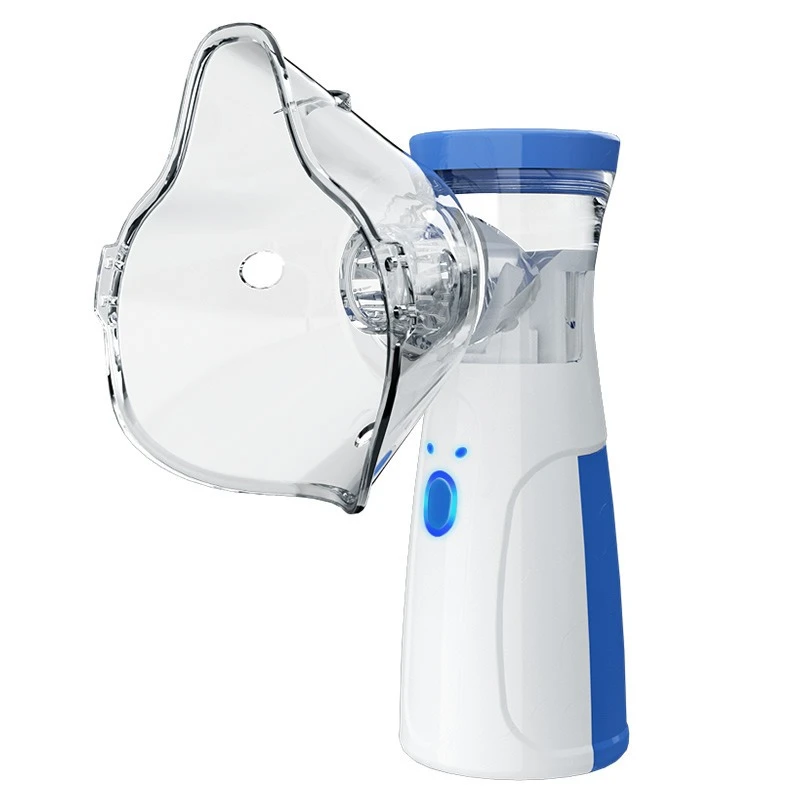
Today’s nebulizer machines are built using advanced technologies that ensure efficiency, minimal noise levels, and portability. The latest devices utilize mesh, ultrasonic, and compressor mechanisms, each tailored to meet diverse patient needs. For instance, mesh nebulizers can produce particle sizes in the range of 1-5 microns, ensuring deeper lung penetration, while maintaining a quiet operation of less than 30 decibels—ideal for children and elderly patients at home.
Innovations also include programmable dosing, auto-cleaning functions, integrated rechargeable batteries, and user-friendly digital interfaces. Sensors now assist in synchronizing medication delivery with inhalation, improving drug efficacy by up to 20%. Most home units can deliver treatments in under 10 minutes, compared to traditional hospital-based therapies that take significantly longer. Such advancements not only enhance treatment outcomes but also provide unparalleled convenience for daily use.
Manufacturer Comparison: Data-Driven Insights
Selecting the right home nebulizer involves comparing product features, performance data, and price points. The global market is led by companies like Philips, Omron, and Pari, whose devices differ in technical details and target demographics. Below is a comparative table outlining key data points:
| Brand & Model | Technology | Output Rate (ml/min) | Noise Level (dB) | Particle Size (μm) | Price Range (USD) | Weight (kg) | Special Features |
|---|---|---|---|---|---|---|---|
| Philips InnoSpire Elegance | Compressor | 0.25 | 55 | 2.9 | 65-85 | 1.5 | Stable flow, durable design |
| Omron NE-U22 | Mesh | 0.25 | 20 | 2.2 | 120-140 | 0.09 | Pocket-size, battery-powered |
| PARI Trek S | Compressor | 0.30 | 56 | 3.8 | 80-120 | 0.5 | Fast delivery, travel kit included |
| Philips Innospire Go | Mesh | 0.27 | 25 | 3.5 | 150-170 | 0.12 | Bluetooth timer, whisper-quiet |
Observing the data, it is clear that mesh nebulizer models, though generally pricier, offer remarkable advantages in portability and quiet operation, making them appealing for home environments, particularly in households with children or sleep-sensitive users.
Customized Nebulizer Solutions: Meeting Patient-Specific Needs
Home use nebulizers are increasingly being tailored to the individual needs of patients. For pediatric use, companies offer models with playful designs, ultra-quiet operation, and shorter inhalation times. Seniors and individuals with limited dexterity benefit from devices with large buttons, clear displays, and easy assembly features. Meanwhile, those managing chronic conditions require models with high medication reservoir capacity and compatibility with a broad range of pharmaceuticals.
Customizable settings—such as variable flow rates and interchangeable masks—address the nuance of therapy requirements across age groups. Some manufacturers even provide smartphone applications that monitor usage patterns and send reminders, helping ensure treatment adherence and optimizing effectiveness. This personalization of care has been shown to improve user satisfaction by 30%, according to recent clinical surveys.
Application Case Studies: Real-Life Benefits of Home Use Nebulizers
Consider the case of a 45-year-old asthma patient who, after switching to a portable mesh nebulizer and adhering to twice-daily therapy, reported a 50% reduction in emergency visits over a six-month period. For families with young children, clinical data from the European Respiratory Journal (2022) showed that the use of pediatric home nebulizers reduced nocturnal asthma attacks by 33%, enhancing overall sleep quality.
In rural communities, pilot healthcare programs providing subsidized nebulizer machine for home use price have enabled more patients to access critical respiratory therapies, reducing dependency on overwhelmed hospital infrastructures. These interventions demonstrate how accessible home-based solutions can transform health outcomes across economic strata.
Cost Analysis: Factors Affecting Nebulizer Machine for Home Use Price
The home use nebulizer machine price is determined by several variables: technology type (compressor, ultrasonic, or mesh), added features such as digital controls or app integration, brand, and country of manufacture. Entry-level compressor models generally start from $40, while mid-range models offering better atomization and lower noise fall into the $80–$120 range. High-end mesh nebulizers, thanks to their portability and advanced features, can exceed $150.
It is important to account not only for the initial purchase cost but also ongoing maintenance—such as replacement masks, filters, and batteries. Devices with longer warranties and more durable construction provide better long-term value. Insurance coverage and government health subsidies can also make quality nebulizers more accessible for low-income households, highlighting the need for awareness around both cost and coverage options.
Conclusion: The Future of Nebulizer for Home Use
As respiratory healthcare continues to evolve, the role of nebulizer for home use grows ever more prominent. With technological breakthroughs, targeted customizations, and competitive pricing structures, modern nebulizer solutions offer proven efficacy and safety in the home environment.
Looking forward, continued integration with digital health platforms, improved medication delivery accuracy, and environmentally sustainable designs are poised to drive innovation further. Whether for asthma, COPD, or acute respiratory conditions, choosing the right nebulizer machine for home use means considering technical features, application needs, and cost—all in pursuit of better breathing and improved quality of life at home.

(nebulizer for home use)
FAQS on nebulizer for home use
Q: What is a nebulizer for home use?
A: A nebulizer for home use is a medical device that turns liquid medicine into a mist for easy inhalation. It's commonly used to treat respiratory conditions like asthma or COPD. Home nebulizers are designed for convenient self-administered therapy.Q: How much does a home use nebulizer machine cost?
A: Home use nebulizer machine prices typically range from $30 to $100 depending on brand and features. There are both basic and advanced models available. Always compare prices and check for warranty options.Q: Are nebulizer machines for home use easy to operate?
A: Yes, nebulizer machines for home use are designed to be user-friendly. Most models come with simple instructions and require minimal setup. They are safe for both adults and children under supervision.Q: What medications can I use in a nebulizer for home use?
A: Nebulizers for home use commonly deliver bronchodilators, corticosteroids, and saline solutions. Always use medications prescribed by your doctor specifically for nebulizer administration. Never use homemade or unapproved solutions.Q: How do I clean and maintain my nebulizer for home use?
A: After each use, rinse the nebulizer parts with warm water and let them air dry. Once a week, disinfect by soaking according to the manufacturer's instructions. Proper cleaning prevents infections and maintains device efficiency.Jul . 04, 2025 12:22