In the field of modern wound care, innovative materials and intelligent healing technologies are transforming patient outcomes. Among them, hydrocolloid wound dressing stands out as one of the most reliable, effective, and comfortable solutions for a wide range of wounds. With its moisture-retentive properties and ability to accelerate the healing process, this advanced dressing is trusted in hospitals, clinics, and homes around the world. Whether managing chronic ulcers, minor abrasions, or post-surgical sites, switching to hydrocolloid bandages for wounds is a smart move for enhanced care and quicker recovery.
Why Choose Hydrocolloid Wound Dressing Over Traditional Dressings?
Unlike conventional gauze or film dressings that dry out the wound or require frequent changes, hydrocolloid wound dressing creates an optimal moist environment that promotes tissue regeneration. It forms a gel-like layer upon contact with wound exudate, sealing the wound while allowing the skin underneath to breathe. This gel barrier not only helps maintain ideal hydration levels but also blocks out external contaminants such as bacteria and dirt.
When comparing hydrocolloid wound dressing to foam or alginate dressings, the differences are clear. Foam dressings are more absorbent but can dry the wound too much, while alginate dressings are best for heavily exuding wounds and often need secondary coverage. In contrast, hydrocolloid bandages offer a self-adhesive, waterproof option that works effectively for lightly to moderately exuding wounds and doesn’t require frequent changing—typically lasting up to seven days per application.
How Hydrocolloid Bandages Support Wound Healing
The healing mechanism of hydrocolloid bandages is both scientifically sound and clinically proven. Once applied, the inner layer of the dressing absorbs wound fluid and transforms into a soft gel that maintains moisture levels. This moist environment facilitates cell migration and the breakdown of necrotic tissue, helping the wound to close faster and more smoothly.
Another major advantage is the low trauma removal. Since hydrocolloid bandages don’t stick to the wound bed itself, they can be removed painlessly without disrupting newly formed tissue. This is especially beneficial for elderly patients or individuals with fragile skin.
Additionally, these dressings act as an insulating layer that retains the body’s natural temperature, further accelerating cell activity and minimizing exposure to external pathogens.
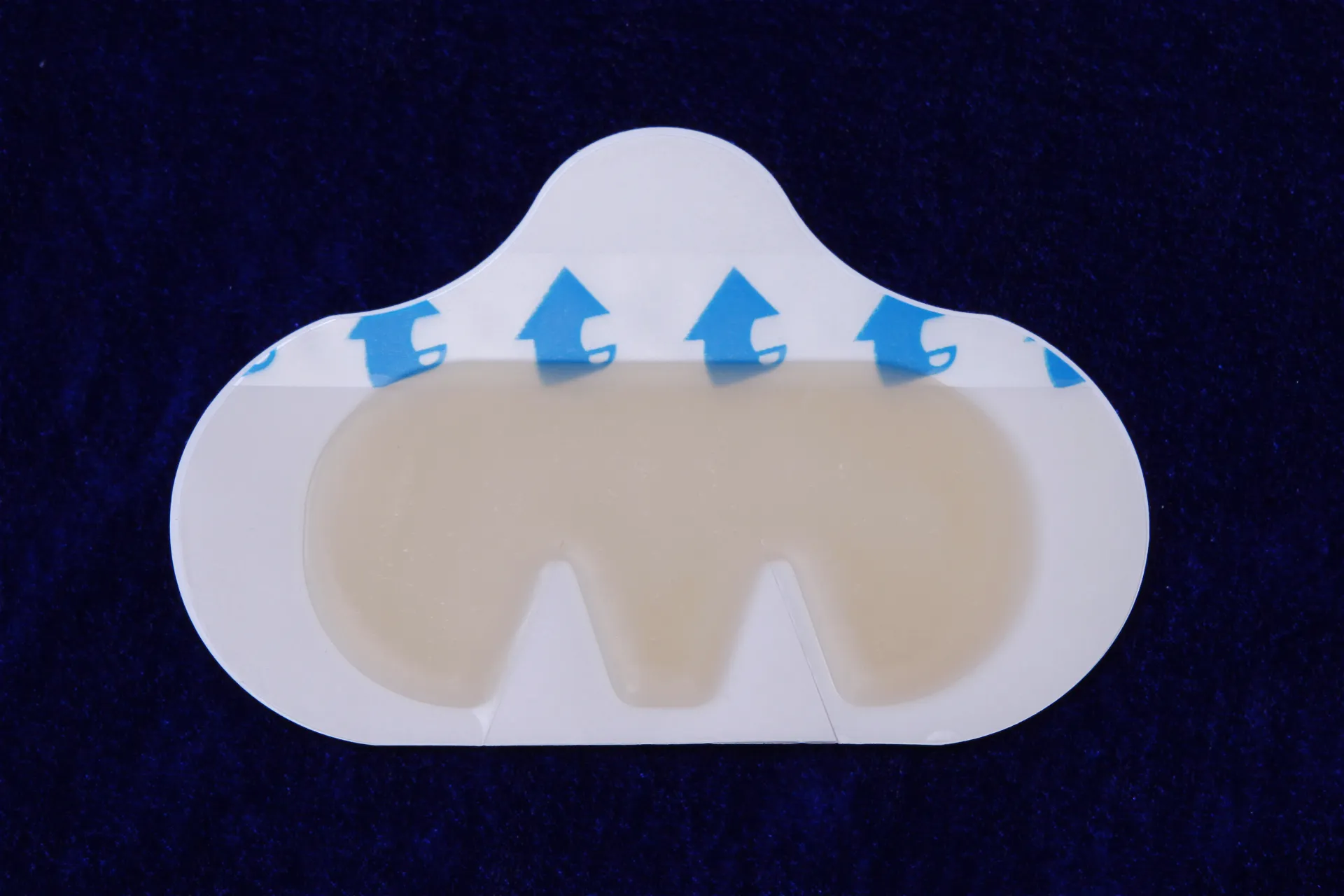
Which Wounds Are Best Treated with Hydrocolloid Bandages for Wounds?
Not all wounds are the same, and choosing the right dressing type can dramatically influence healing outcomes. Hydrocolloid bandages for wounds are particularly effective for managing:
Pressure ulcers
First- and second-degree burns
Post-operative incisions
Superficial wounds and abrasions
Minor traumatic injuries
The dressing’s self-adhering nature makes it ideal for use on curved or mobile areas such as elbows, heels, and knees. However, hydrocolloid wound dressing is not recommended for infected wounds or wounds with heavy drainage, where a more absorbent or antimicrobial option may be necessary.
For these wound types, proper wound cleaning before application is essential. Once in place, hydrocolloid bandages reduce the frequency of dressing changes, saving both time and cost while providing consistent healing support.
Understanding the Types of Hydrocolloid Dressings Available
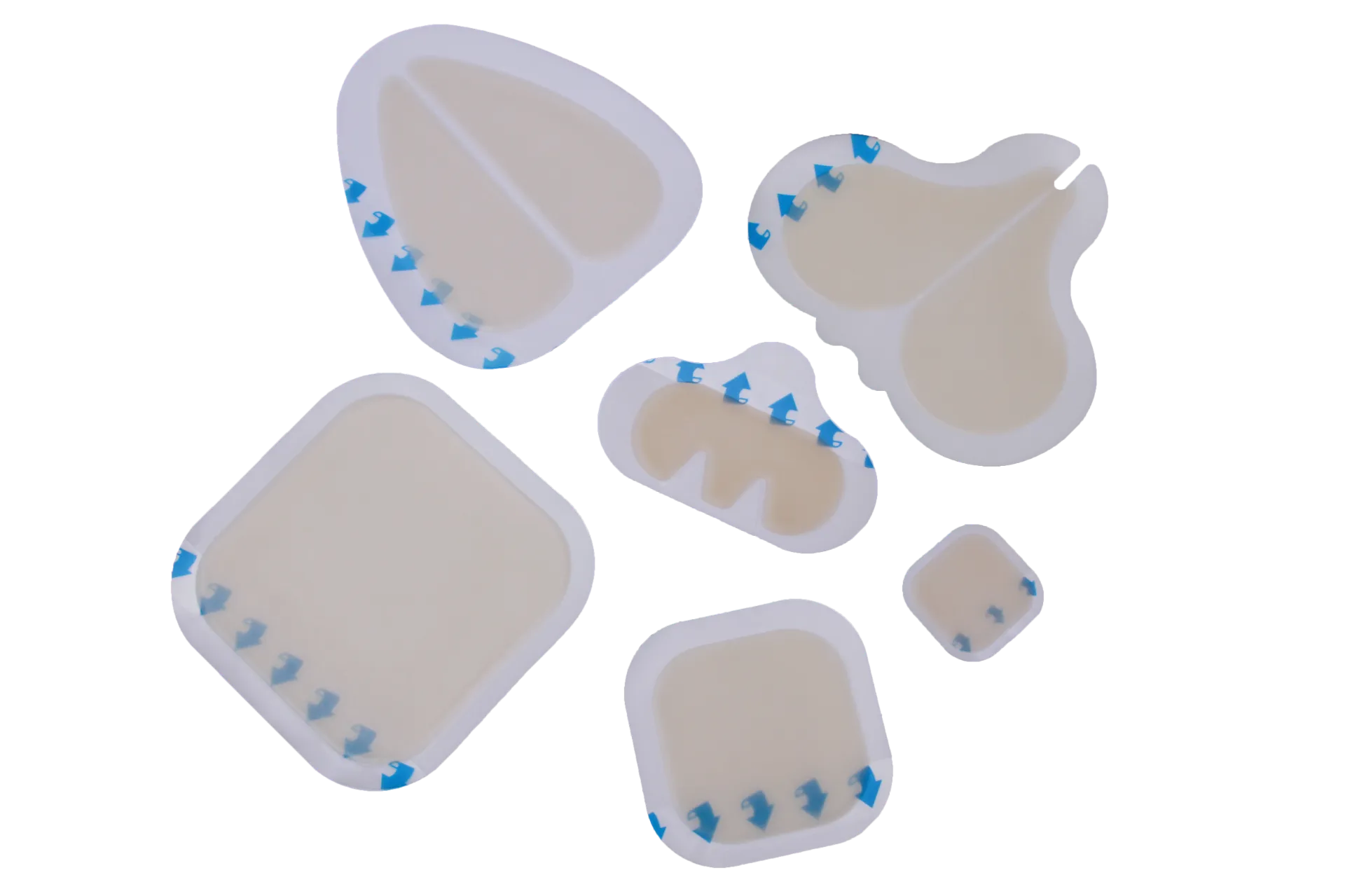
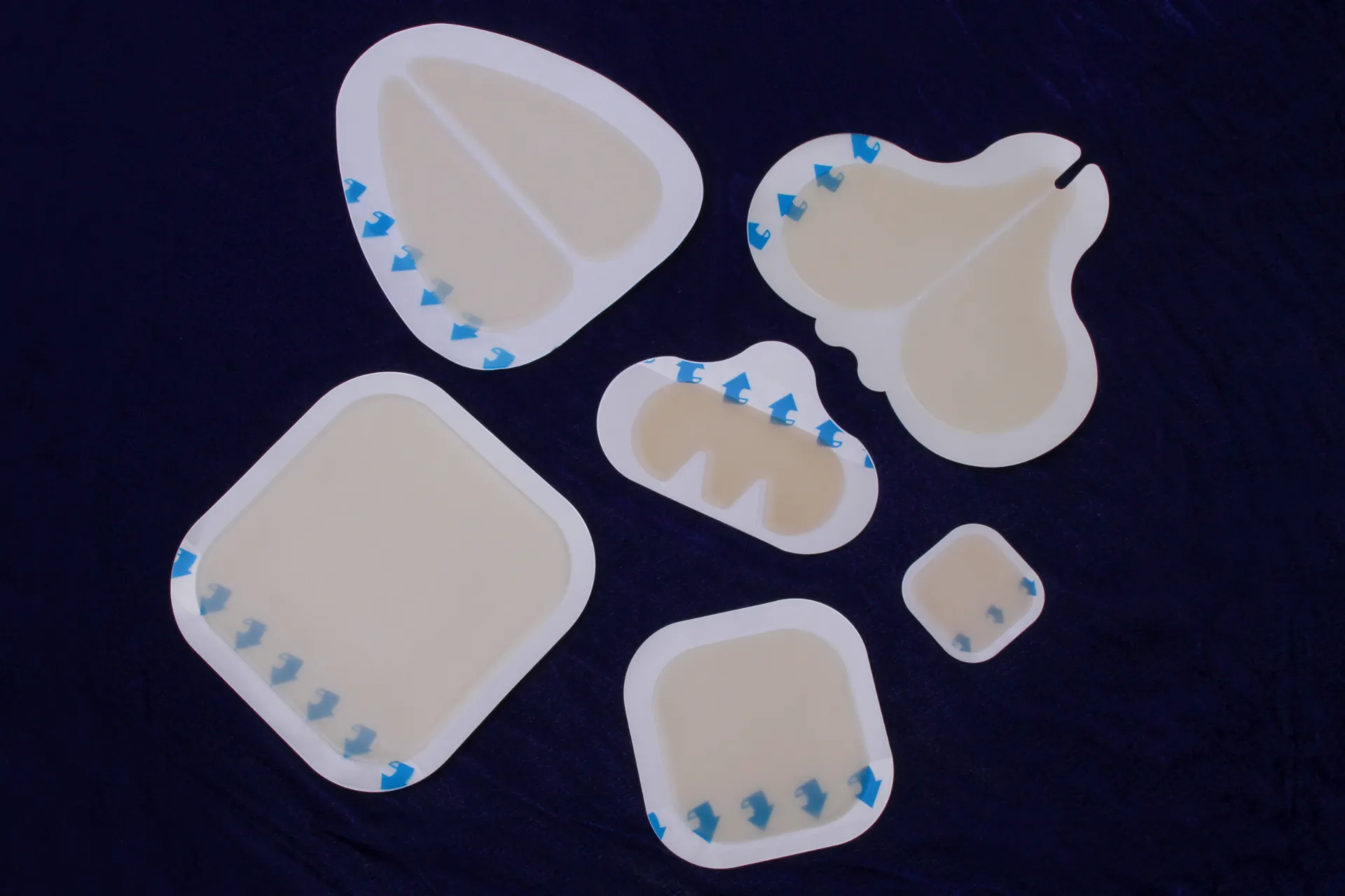
There is no one-size-fits-all solution in wound care, which is why multiple types of hydrocolloid dressings have been developed to cater to varying patient needs. Standard forms include thin, transparent sheets for low-exudate wounds and thicker dressings for moderate moisture control. Some are reinforced with foam or contain added antibacterial agents for enhanced protection.
Others come in pre-cut shapes like circles or rectangles, while some hydrocolloid bandages are designed specifically for facial blemishes or blisters, offering cosmetic discretion with powerful healing action. For medical professionals, bulk packaging and sterile formats are readily available, ensuring hygiene and convenience across wound types.
When selecting a dressing, consider the size, shape, and exudate level of the wound. The right choice among the types of hydrocolloid dressings will ensure the patient receives optimal healing conditions and reduced risk of complications.
Hydrocolloid Wound Dressing FAQs
What makes hydrocolloid wound dressing different from gauze or foam dressings?
Hydrocolloid wound dressing forms a moist gel environment that accelerates healing and doesn’t require frequent changes. In contrast, gauze dries out wounds, and foam dressings may absorb too much moisture, slowing recovery.
How does a hydrocolloid bandage help wounds heal faster?
A hydrocolloid bandage absorbs fluid and transforms into a gel that keeps the wound moist, which encourages tissue regeneration and painless dressing removal without damaging new skin.
What types of wounds are best treated with hydrocolloid bandages for wounds?
Hydrocolloid bandages for wounds are ideal for pressure ulcers, burns, surgical incisions, and superficial injuries. They are best suited for wounds with light to moderate exudate and intact surrounding skin.
What are the main types of hydrocolloid dressings available?
The types of hydrocolloid dressings include thin sheets for low-exudate wounds, thicker dressings for moderate moisture control, and foam-backed or antibacterial versions for enhanced support.
Are hydrocolloid wound dressings reusable or single-use only?
Hydrocolloid wound dressings are designed for single-use only to maintain hygiene and prevent contamination. Each dressing is sterile and should be discarded after removal.
Jun . 20, 2025 15:51