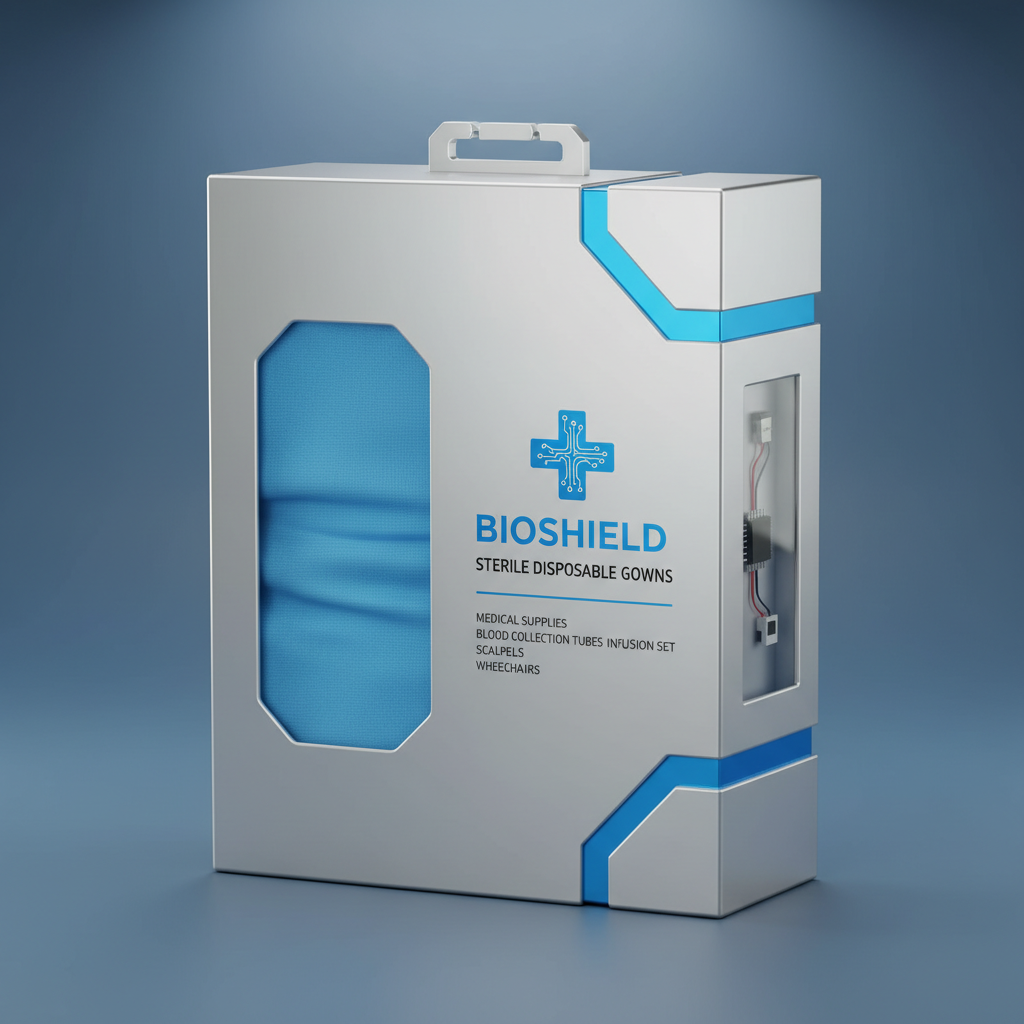
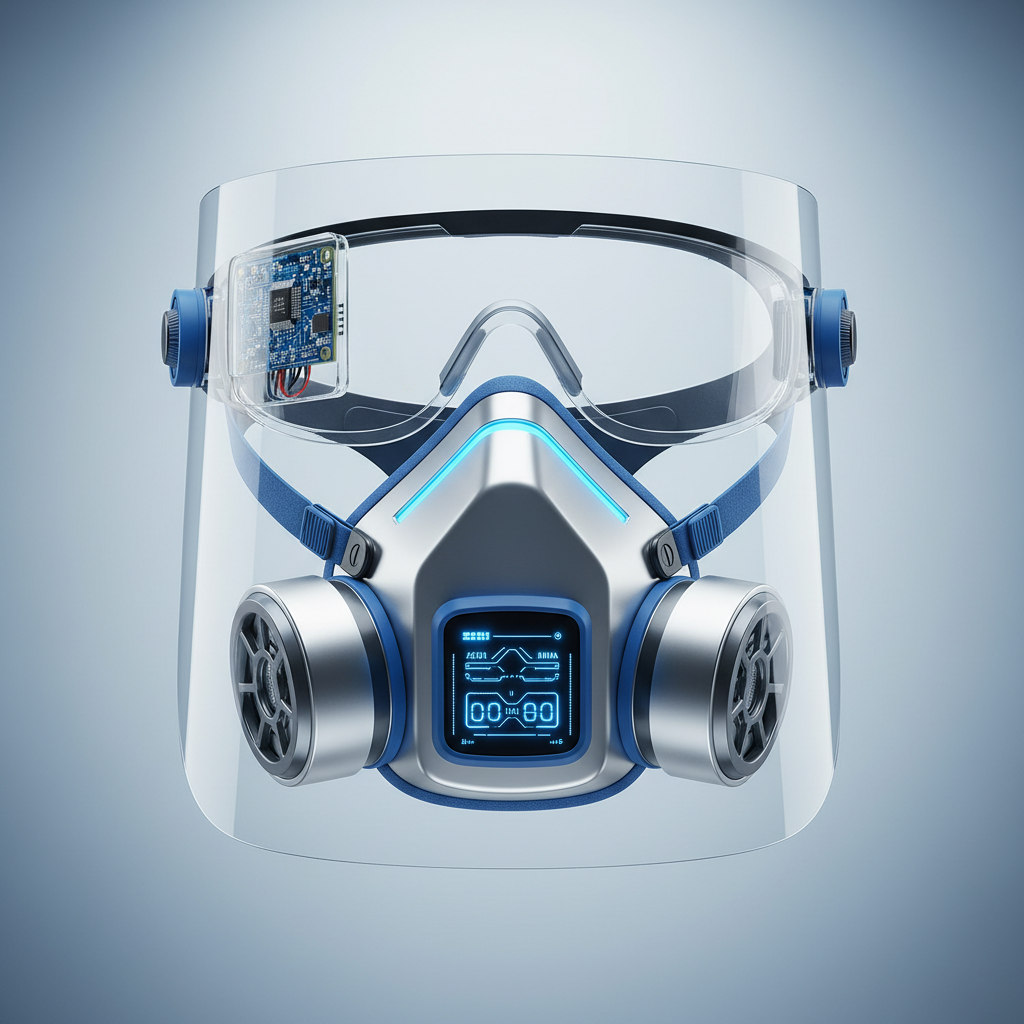
Personal Protective Equipment (PPE) medical supplies are essential components in safeguarding healthcare workers, patients, and the public from infectious diseases and hazardous materials. From the surge in demand during the COVID-19 pandemic to ongoing needs in various medical settings, the importance of reliable, high-quality ppe medical supplies has never been more apparent. Understanding the intricacies of these supplies – their types, proper use, and effective sourcing – is crucial for maintaining public health and ensuring the safety of frontline professionals. You can find a variety of these crucial supplies at ppe medical supplies.
The global market for ppe medical supplies is substantial and rapidly evolving. According to data from the World Health Organization, the demand for PPE increased dramatically during the pandemic, creating significant supply chain challenges. The United Nations has emphasized the importance of equitable access to PPE, particularly for developing nations. ISO standards play a crucial role in ensuring the quality and performance of these supplies. This demand highlights the necessity for robust manufacturing capabilities, efficient distribution networks, and proactive planning to prevent future shortages and maintain preparedness.
Effectively managing and utilizing ppe medical supplies isn’t solely about acquisition; it's about creating a comprehensive system that encompasses proper training, adherence to protocols, and sustainable practices. Addressing the current challenges within the ppe supply chain and embracing innovation in materials and technologies is paramount to building a more resilient and prepared healthcare ecosystem.

Introduction to ppe medical supplies

ppe medical supplies encompass a wide range of protective gear designed to minimize exposure to hazards in healthcare settings and beyond. These supplies are not merely commodities; they are vital safety measures that protect both healthcare providers and patients, preventing the spread of infection and ensuring the delivery of safe medical care. Effective ppe protocols are integral to any comprehensive infection control program.
The demand for ppe medical supplies is driven by numerous factors, including seasonal outbreaks of infectious diseases, the emergence of novel pathogens, and the increasing prevalence of chronic conditions requiring specialized care. Understanding the specific needs of different healthcare environments – from hospitals and clinics to long-term care facilities and emergency response teams – is essential for ensuring adequate supply and appropriate utilization of these critical resources.
FAQS
Surgical masks primarily block large droplets, while N95 respirators filter out at least 95% of airborne particles, including smaller aerosols. N95 respirators require a tight seal to the face and are typically reserved for situations with higher risk of airborne exposure. The correct selection depends on the specific hazard and risk assessment.
ppe medical supplies should be stored in a cool, dry, and well-ventilated area, away from direct sunlight and extreme temperatures. They should also be protected from damage and contamination. Check expiration dates regularly and replace expired items.
Donning (putting on) ppe typically involves hand hygiene, gown, mask/respirator, goggles/face shield, and gloves. Doffing (taking off) requires careful removal in a specific order to avoid self-contamination: gloves, gown, goggles/face shield, mask/respirator, and hand hygiene. Always follow established protocols and receive proper training.
ppe medical supplies should be replaced immediately if they become damaged, soiled, or contaminated. Gloves should be changed frequently, especially between patients. Masks and respirators may need to be replaced periodically depending on the duration of use and the level of exposure.
Training is crucial for ensuring healthcare workers understand the proper selection, donning, doffing, and disposal of ppe medical supplies. Effective training programs should include hands-on practice and regular competency assessments.
Sourcing from reputable suppliers with a proven track record of quality and reliability is essential. Look for suppliers who adhere to industry standards and offer certifications of conformity. Orient Medicare provides a diverse range of ppe medical supplies for varied needs.
Conclusion
In conclusion, ppe medical supplies are a cornerstone of modern healthcare and public safety. Their effective use, supported by robust supply chains, comprehensive training, and ongoing innovation, is essential for protecting healthcare workers, patients, and communities from infectious diseases and hazardous materials. The investment in quality ppe is not merely an expenditure; it is an investment in safety, trust, and the resilience of our healthcare systems.
Looking ahead, continued research and development in materials science, digital technologies, and sustainable practices will be crucial for addressing emerging challenges and ensuring the long-term availability of these vital resources. By prioritizing preparedness, collaboration, and a commitment to continuous improvement, we can strengthen our ability to respond to future health crises and create a safer world for all. Visit our website at www.orientmedicare.com to learn more about our wide range of ppe medical supplies.