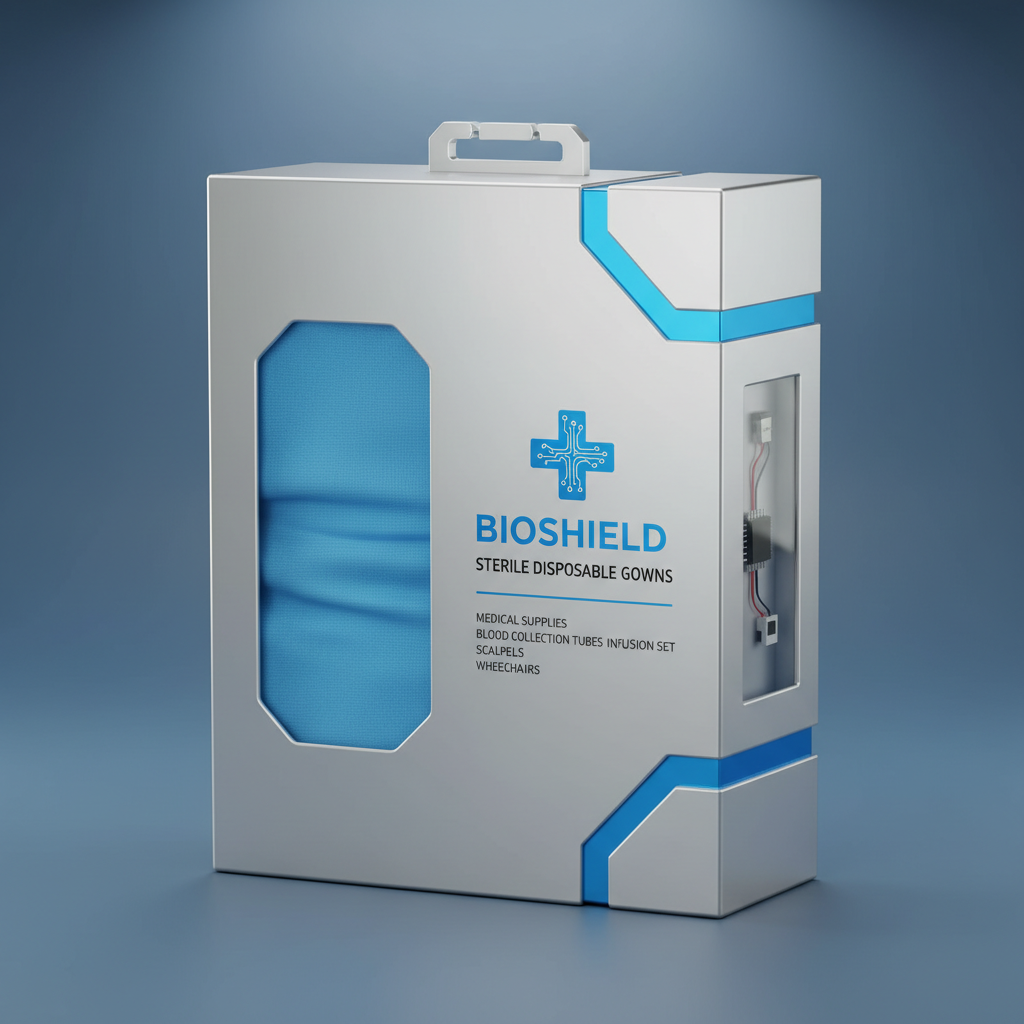
Let me tell you, after years spent on construction sites – dust in my lungs, blueprints in my hands – you learn to appreciate the things that actually make a difference. And when it comes to keeping a job safe and efficient, especially in healthcare settings or sterile environments, sterile disposable gowns are right up there with solid foundations. They’re not glamorous, but they’re essential. We’re talking about protecting patients, staff, and the integrity of procedures. It’s a small piece of the puzzle, but a critical one.
I've seen firsthand how the quality of these gowns can impact everything from workflow to infection control. Cheap gowns tear, restrict movement, and frankly, don’t inspire confidence. Investing in good ones isn’t just about compliance; it's about showing respect for everyone involved and ensuring the best possible outcome. The real cost isn’t the price tag, it’s the potential consequences of cutting corners.
And it's not just hospitals. Think about labs, pharmaceutical manufacturing, even food processing. Any place where maintaining a sterile field is paramount needs reliable sterile disposable gowns. Demand is only going up, and frankly, the industry needs to keep innovating to meet those needs.
The Critical Role of Sterile Disposable Gowns
Look, in my line of work, we deal with a lot of things that seem small but have huge implications. Sterile disposable gowns fall squarely into that category. They are a fundamental barrier against contamination, vital in any setting where preventing the spread of infection is paramount. The global healthcare landscape, especially in light of recent events, has put an even bigger spotlight on the need for reliable and effective personal protective equipment (PPE).
The market for these gowns is substantial. Reports from organizations like the World Health Organization (WHO) and various market research firms consistently demonstrate a growing demand, fueled by increasing surgical procedures, stricter hygiene standards, and a growing awareness of healthcare-associated infections. That growth also means we need to look closely at supply chains and quality control to ensure everyone has access to what they need, when they need it. It’s about more than just stock levels; it’s about consistency and performance.
Understanding Sterile Disposable Gowns: Beyond the Basics
People often think a gown is just a gown. Wrong. There's a whole science behind it. At its core, a sterile disposable gown is designed to create a barrier between the wearer and potential sources of contamination. That means the material matters, the construction matters, and the sterilization process really matters. We're talking about materials like polypropylene, polyethylene, or blends of these, often treated with coatings to enhance fluid resistance.
Modern gowns aren’t just about sterility either. They need to be comfortable and allow for a full range of motion, because a frustrated surgeon or nurse isn’t going to perform at their best. Things like reinforced closures, knitted cuffs, and even different sleeve lengths are all designed to improve usability and minimize the risk of exposure. It's about the details.
The connection to modern industry and humanitarian needs is clear. In disaster relief, for example, these gowns are crucial for establishing field hospitals and controlling the spread of disease. Even in specialized industrial settings, like electronics manufacturing, maintaining a sterile environment is critical for product quality.
Key Performance Indicators for Selecting Sterile Disposable Gowns
When I’m evaluating gowns, I don’t just look at the price. I look at a few key things. First, fluid resistance. Can it hold up against splashes and sprays? Second, breathability. You don’t want someone overheating and getting soaked with sweat underneath. Third, tear resistance. A gown that rips mid-procedure is a disaster waiting to happen.
Fourth, sterilization validation. How was it sterilized? And can the manufacturer prove it? Fifth, comfort and dexterity. Can the wearer actually work in it? And finally, sizing and coverage. A poorly fitting gown offers little protection. These aren't just nice-to-haves; they’re fundamental to ensuring effectiveness.
Scalability is also huge. Can the supplier handle a sudden surge in demand? Because believe me, those surges happen. You need a partner who can consistently deliver, even when things get crazy. Cost-efficiency is important, of course, but it shouldn’t come at the expense of quality or reliability. Durability is another factor. A gown that can withstand rigorous use reduces waste and saves money in the long run. And let's not forget about proper disposal protocols; sustainability is becoming increasingly important.
Ultimately, it’s about finding a balance between these factors. You need a gown that meets your specific needs, fits your budget, and provides a high level of protection. It's a complex equation, but getting it right can make all the difference.
Practical Applications Across Diverse Industries
I’ve seen these gowns used in situations you wouldn’t even believe. In post-disaster relief operations in Haiti, they were essential for setting up temporary medical facilities and treating injured patients. In remote industrial zones in China, they protected workers from hazardous materials during manufacturing processes.
Beyond healthcare, the pharmaceutical industry relies heavily on sterile disposable gowns to maintain the integrity of drug production. Food processing plants use them to prevent contamination and ensure food safety. Even cosmetic surgery clinics require them to minimize the risk of infection during procedures.
Sterile Disposable Gown Applications by Industry
The Long-Term Value Proposition: Cost, Safety, and Sustainability
Don’t just look at the initial cost of sterile disposable gowns. Consider the total cost of ownership. A cheaper gown that tears easily means you’re using more, increasing waste and ultimately spending more money. Investing in higher-quality gowns reduces the risk of contamination, potentially avoiding costly infections and legal liabilities.
The safety aspect is paramount. These gowns are a critical layer of defense against pathogens and hazardous substances, protecting both healthcare workers and patients. That peace of mind is invaluable. And increasingly, sustainability is a factor. Manufacturers are starting to explore biodegradable materials and more responsible disposal methods, which is a positive trend.
Emerging Trends and Technological Advancements
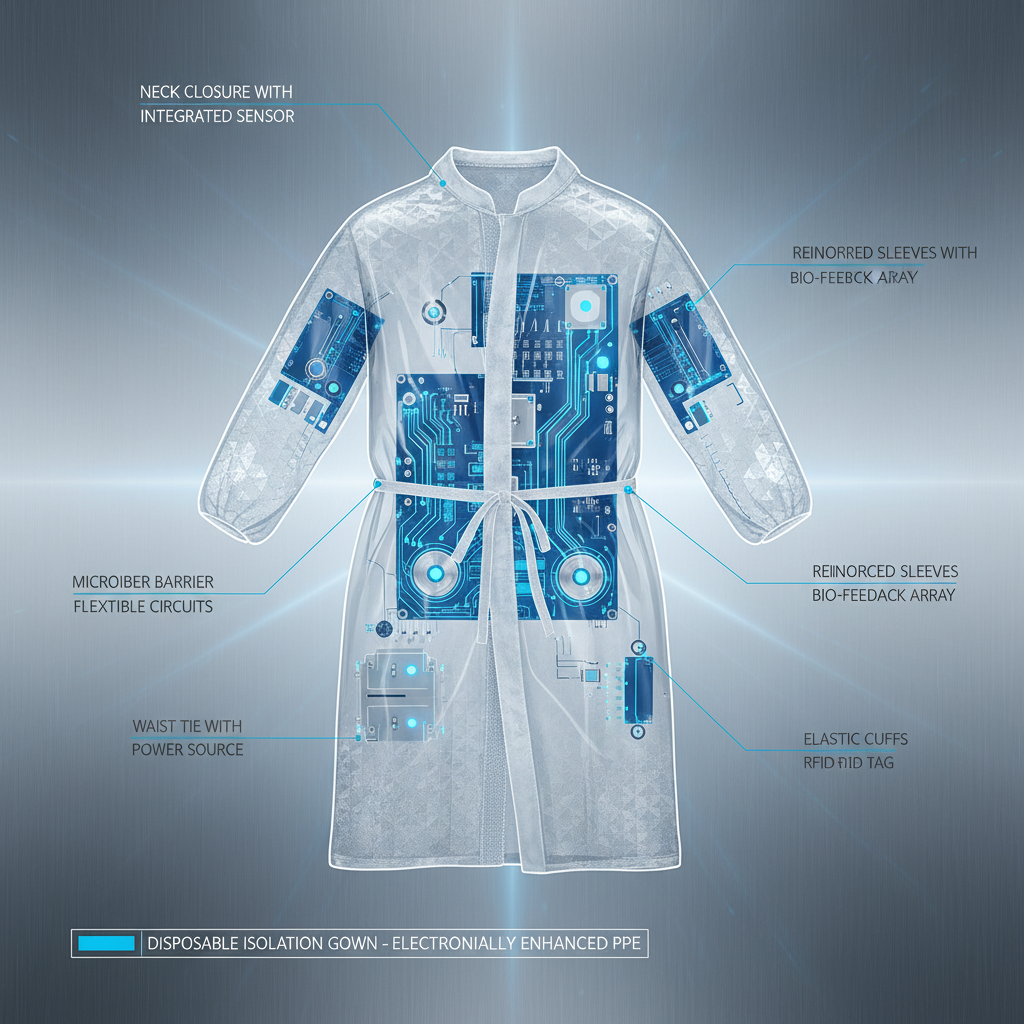
We’re seeing a lot of innovation in materials science. Researchers are developing new polymers with enhanced barrier properties and improved comfort. Smart gowns, embedded with sensors to monitor contamination levels, are also on the horizon. These technologies could revolutionize infection control.
Another trend is the move towards more sustainable materials. Biodegradable gowns made from plant-based polymers are becoming increasingly available, offering a more environmentally friendly alternative to traditional plastic-based materials. This is driven by both consumer demand and tightening regulations.
Overcoming Challenges in Procurement and Implementation
One of the biggest challenges is ensuring consistent quality control. Counterfeit gowns are a real problem, and it’s crucial to work with reputable suppliers who can provide documentation of sterilization and quality testing. Supply chain disruptions, as we’ve seen recently, are also a major concern. Diversifying your supply base and building strong relationships with multiple vendors is essential.
Proper training on gown donning and doffing is also critical. If staff don’t know how to use the gowns correctly, they won’t provide adequate protection. And finally, effective waste management practices are essential for minimizing environmental impact. It's not enough to just buy the gowns; you need a comprehensive program to ensure they’re used and disposed of properly.
Implementing standardized protocols for gown selection, use, and disposal across an entire healthcare system can be complex, but it’s worth the effort. It ultimately leads to better patient outcomes, improved staff safety, and reduced costs.
Key Analysis of Current Sterile Disposable Gown Challenges
| Challenge Area |
Severity (1-10) |
Potential Impact |
Mitigation Strategy |
| Supply Chain Disruptions |
8 |
Gown shortages, increased costs |
Diversify suppliers, maintain buffer stock |
| Counterfeit Products |
9 |
Reduced protection, infection risk |
Verify supplier credentials, rigorous quality control |
| Inconsistent Quality |
7 |
Poor performance, increased failure rate |
Establish clear quality standards, regular audits |
| Improper Usage |
6 |
Compromised protection, increased contamination risk |
Comprehensive staff training, clear protocols |
| Waste Management Issues |
5 |
Environmental impact, regulatory non-compliance |
Implement responsible disposal procedures, explore biodegradable options |
| Rising Costs |
7 |
Budget strain, potential compromise on quality |
Negotiate with suppliers, explore value-based procurement |
FAQS
A good gown should meet or exceed AAMI Level 3 or 4 standards for fluid barrier protection, meaning it can withstand significant splashes and sprays of various fluids. Look for gowns with a fluid resistance rating based on standardized testing methods. The higher the level, the better the protection, but remember that breathability can be affected. It’s a balance.
Material composition is key. Polypropylene is common due to its cost-effectiveness and good barrier properties. Polyethylene offers better fluid resistance but can be less breathable. SMS (Spunbond-Meltblown-Spunbond) fabrics provide a good balance of protection, comfort, and durability. Increasingly, we’re seeing biodegradable options like PLA (Polylactic Acid), though they may not offer the same level of barrier protection as traditional materials.
Proper fit is critical for both comfort and protection. Gowns that are too small restrict movement and can tear easily. Gowns that are too large can compromise sterility and increase the risk of contamination. Consider offering a range of sizes to accommodate all staff members. Measure your staff and consult the manufacturer's sizing chart for accurate selection.
Replace a gown immediately if it becomes visibly soiled, torn, or compromised in any way. Even if it appears intact, replace it if there's a risk of contamination. For longer procedures, it’s generally recommended to change gowns every few hours to maintain a sterile field. Follow your facility’s established protocols and guidelines.
Implement a comprehensive training program that includes both theoretical instruction and practical demonstration. Use visual aids and checklists to reinforce proper techniques. Regularly assess staff competency and provide refresher training as needed. Emphasize the importance of hand hygiene and avoiding contamination during gowning and degowning.
Biodegradable gowns made from materials like PLA are gaining traction, but their barrier properties may be lower. Reusable gowns, while requiring laundering, can significantly reduce waste. Another option is to explore gowns made from recycled materials. Consider the full life cycle of the gown, from production to disposal, when evaluating sustainable alternatives.
Conclusion
In the end, sterile disposable gowns may seem like a simple product, but they are a critical component of safety, hygiene, and efficiency in a wide range of industries. From selecting the right materials and ensuring proper fit to implementing effective training programs and embracing sustainable alternatives, there's a lot to consider. Investing in quality gowns isn’t just about compliance; it's about protecting people and upholding the highest standards of care.
Looking ahead, we’ll see continued innovation in materials science, sterilization techniques, and sustainable manufacturing practices. The demand for reliable and effective gowns will only continue to grow, driven by increasing global health concerns and stricter regulatory requirements. By staying informed about the latest trends and challenges, we can ensure that we’re always prepared to protect ourselves and others. Visit our website at www.orientmedicare.com to learn more.