Understanding Anti-Fog Surgical Masks: A Comprehensive Guide
In healthcare settings, clear vision is paramount for surgeons and medical staff. Condensation on masks can obstruct vision during critical procedures, leading to potential errors. This is where anti-fog surgical masks become indispensable. This article will explore the science behind fogging, the benefits of anti-fog technology, the different types of anti-fog masks available, and how to choose the right mask for your specific needs. Ensuring optimal visibility contributes directly to improved patient safety and surgical precision. Orient Medicare provides high-quality solutions for healthcare professionals.
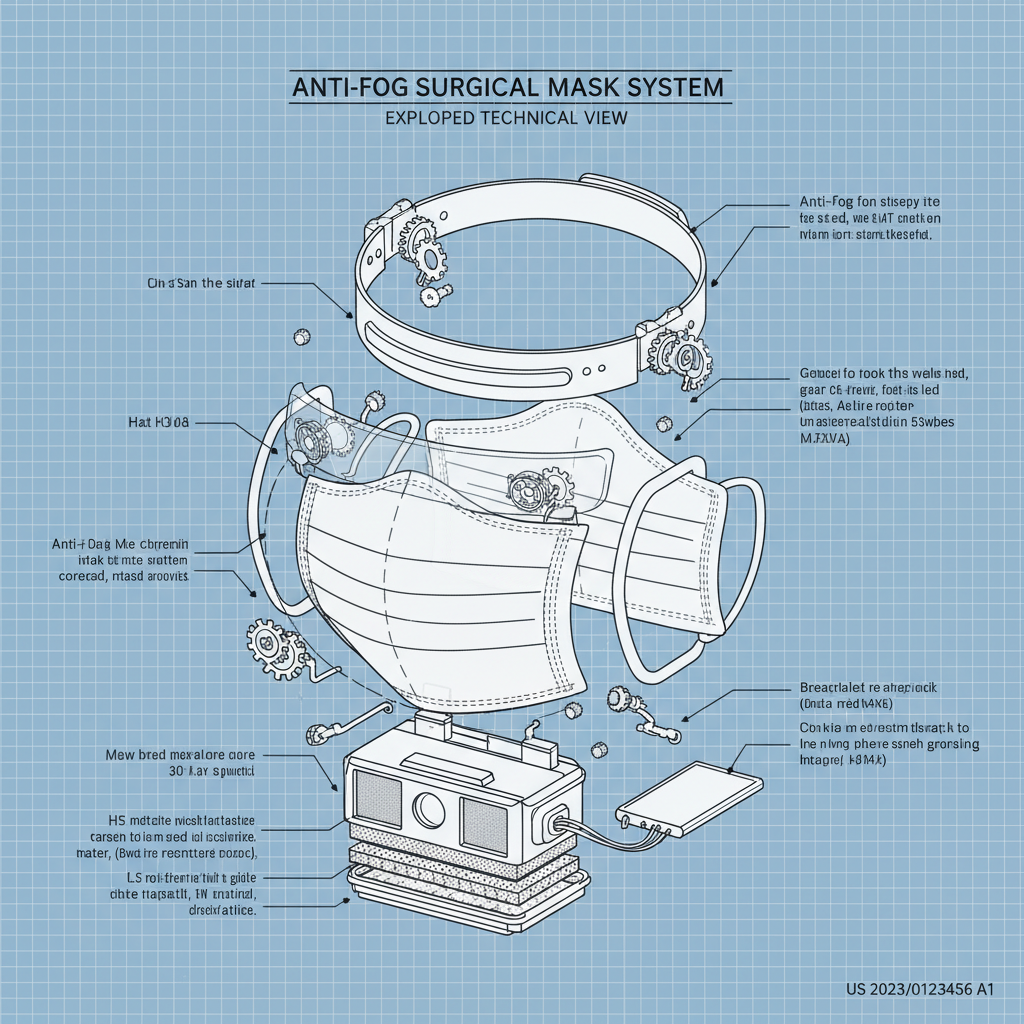
Why Do Masks Fog Up? The Science Behind the Condensation
Fogging occurs due to condensation – water vapor in the exhaled breath coming into contact with a cooler surface (the mask). The warm, moist air cools rapidly, causing the water vapor to turn into tiny droplets on the inside of the mask. Factors contributing to fogging include temperature differences between the breath and the surrounding environment, humidity levels, and the mask’s material and fit. A well-fitted mask minimizes gaps where exhaled air can escape and condense. Understanding this process is crucial for selecting an effective anti-fog surgical mask that prevents this visibility issue.
Key Insight: Fogging isn’t just about comfort, it’s about patient safety. Clear visibility is essential for precise surgical procedures and accurate diagnoses.
Types of Anti-Fog Surgical Masks and Technologies
Several technologies are employed to create anti-fog surgical masks. These include hydrophilic coatings, which attract and spread water molecules into a thin, transparent film, preventing droplet formation. Some masks incorporate specialized materials designed to absorb moisture or promote ventilation. Others utilize a dual-layer construction, with a moisture-wicking inner layer and a breathable outer layer. The choice of technology depends on the specific application, the level of fogging expected, and the wearer's comfort preferences. Orient Medicare offers a range of options utilizing these cutting-edge technologies.
Anti-Fog Technology Benefits:
• Improved visibility during procedures
• Reduced risk of errors caused by obscured vision
• Enhanced comfort for healthcare professionals
• Increased patient safety
Anti-Fog Surgical Mask Features: A Comparative Look
Different anti-fog surgical masks offer varying features. Some prioritize a secure fit to minimize air leakage, while others focus on breathability for extended wear. Certain masks include adjustable nose clips for a customized seal. The level of anti-fog protection can also differ, with some masks offering superior performance in high-humidity environments. Evaluating these features is crucial when selecting the appropriate mask for specific surgical procedures and environmental conditions. Here's a comparison of common features:
Choosing the Right Anti-Fog Surgical Mask
Selecting the ideal anti-fog surgical mask requires considering several factors. The type of surgical procedure, the operating room’s humidity levels, the surgeon's personal preferences, and the mask's compatibility with other protective equipment are all important considerations. Look for masks that have undergone rigorous testing and meet relevant safety standards. A comfortable and secure fit is also paramount, as a poorly fitted mask will negate the anti-fog benefits. Orient Medicare offers expert guidance to help you choose the best mask for your needs.
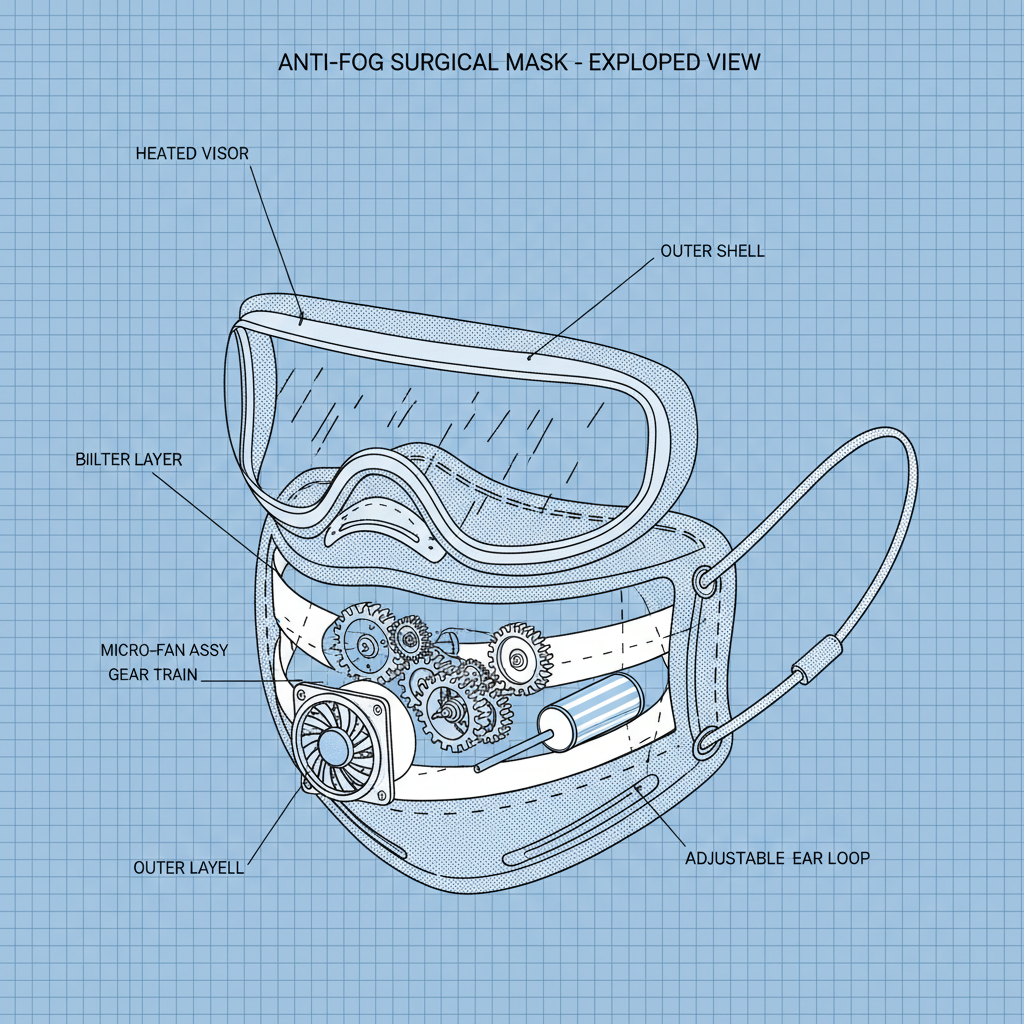
Product Specifications and Quality Assurance
At Orient Medicare, our anti-fog surgical masks are manufactured to the highest quality standards. They meet or exceed ASTM standards for fluid resistance and bacterial filtration efficiency. We prioritize materials that are both effective and comfortable for prolonged use. Here’s a quick overview of typical specifications:
Conclusion: Prioritizing Clarity and Safety
Investing in high-quality anti-fog surgical masks is a critical step towards enhancing patient safety and improving surgical outcomes. Orient Medicare is dedicated to providing healthcare professionals with reliable, comfortable, and effective solutions. Don't compromise on vision – choose clarity and safety.
Frequently Asked Questions (FAQs)
How long does the anti-fog coating last on these masks?
The duration of the anti-fog effect depends on usage, storage conditions, and handling. Generally, our masks maintain their anti-fog properties for a significant period, even with repeated use. However, avoid rubbing or cleaning the mask’s surface with abrasive materials, as this can diminish the coating. Proper storage in a clean, dry environment away from direct sunlight will help prolong the anti-fog performance. It's recommended to replace the mask when you notice a significant reduction in anti-fog effectiveness.
Are these masks suitable for all types of surgical procedures?
Our anti-fog surgical masks are designed for a broad range of surgical applications where clear visibility is crucial. However, for procedures with extremely high humidity or prolonged duration, it's advisable to consider masks with enhanced anti-fog technology or to implement additional measures to prevent fogging. Consulting with our experts can help determine the best mask for your specific surgical needs.
Can these masks be reused?
While our anti-fog surgical masks are designed for single-use to maintain sterility and prevent cross-contamination, they can be worn for the duration of a surgical procedure. Reusing the mask after the procedure is not recommended. Proper disposal after use is essential to ensure patient and healthcare worker safety.
What materials are these masks made from?
Our anti-fog surgical masks are typically constructed from a multi-layer combination of nonwoven fabrics, including polypropylene (PP) and polyethylene (PE). These materials provide excellent filtration efficiency, breathability, and fluid resistance. The anti-fog coating is a hydrophilic polymer that is applied to the inner surface of the mask.
Jan . 27, 2026 18:15