To be honest, things are moving fast these days. Everyone's talking about miniaturization, high integration, and, of course, AI-powered everything. I was at a factory in Dongguan last month, and they were already experimenting with embedding sensors directly into the plastic molding – wild stuff. But you know what? Most of the guys on the floor are still worried about whether the screws will strip and if the damn thing will even fit in the space they’ve got. Have you noticed that? All this high tech, and the basic stuff still matters most.
The biggest trap I see in product design? Over-engineering. Seriously. Designers sit in their offices, come up with these incredibly complex solutions, and then hand it to us, and it’s a nightmare to assemble. I encountered this at a lighting factory in Zhongshan last time; they designed a fixture with 17 different parts, and it took three guys half an hour to put one together. And for what? A slightly cleaner look? Anyway, I think simplicity is key, especially when you're dealing with on-site installation.
We’re using a lot of polycarbonate these days, mostly for housings. It’s tough, naturally UV resistant, and surprisingly lightweight. Smells a bit like burnt plastic when you’re cutting it, though, which never gets old. Then there's the aluminum alloy – 6061 is the workhorse. Feel’s solid in the hand, easy to machine, and doesn’t corrode too easily. We also have some stuff using ABS, but that’s mostly for internal components; it’s cheap, but brittle, especially in cold weather. Strangel,y I’ve seen guys try to use PVC, thinking it’s a good substitute for polycarbonate. Doesn't work.
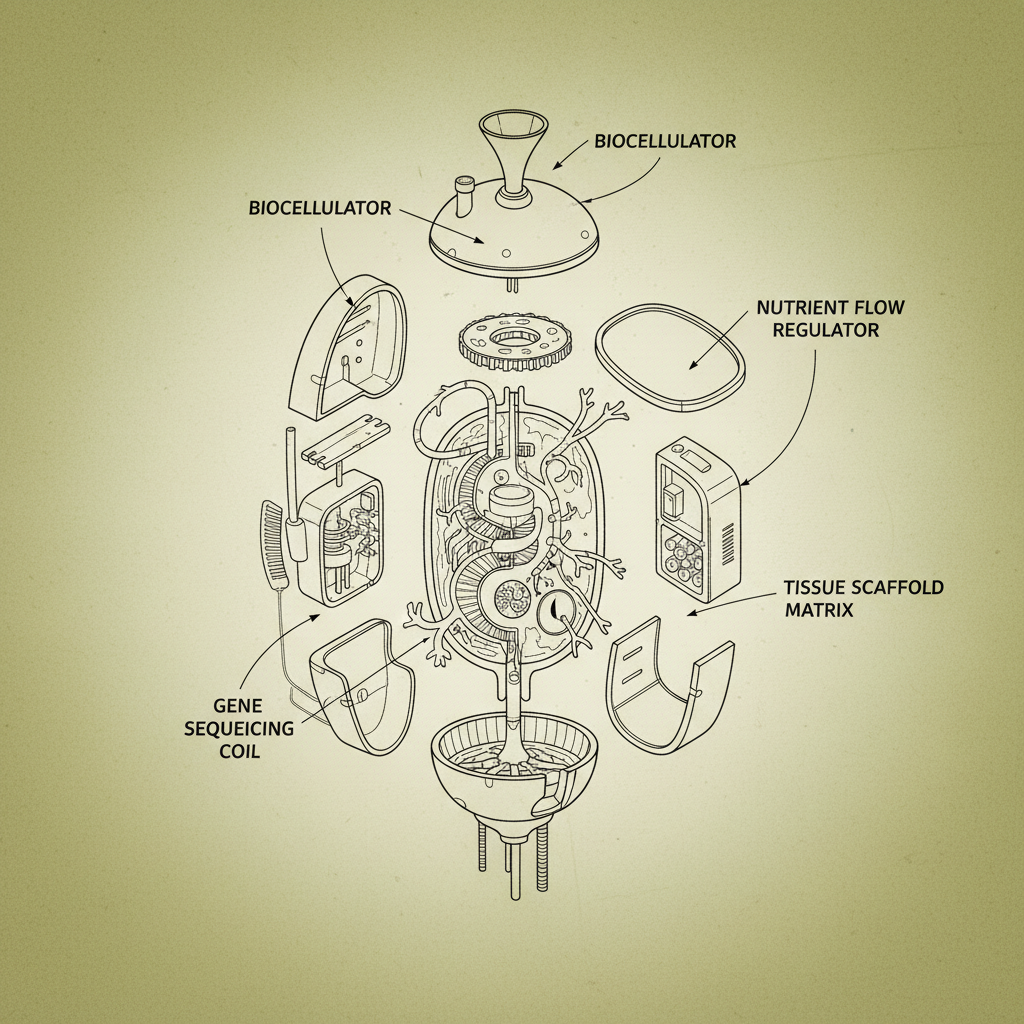
Industry Trends & Design Pitfalls
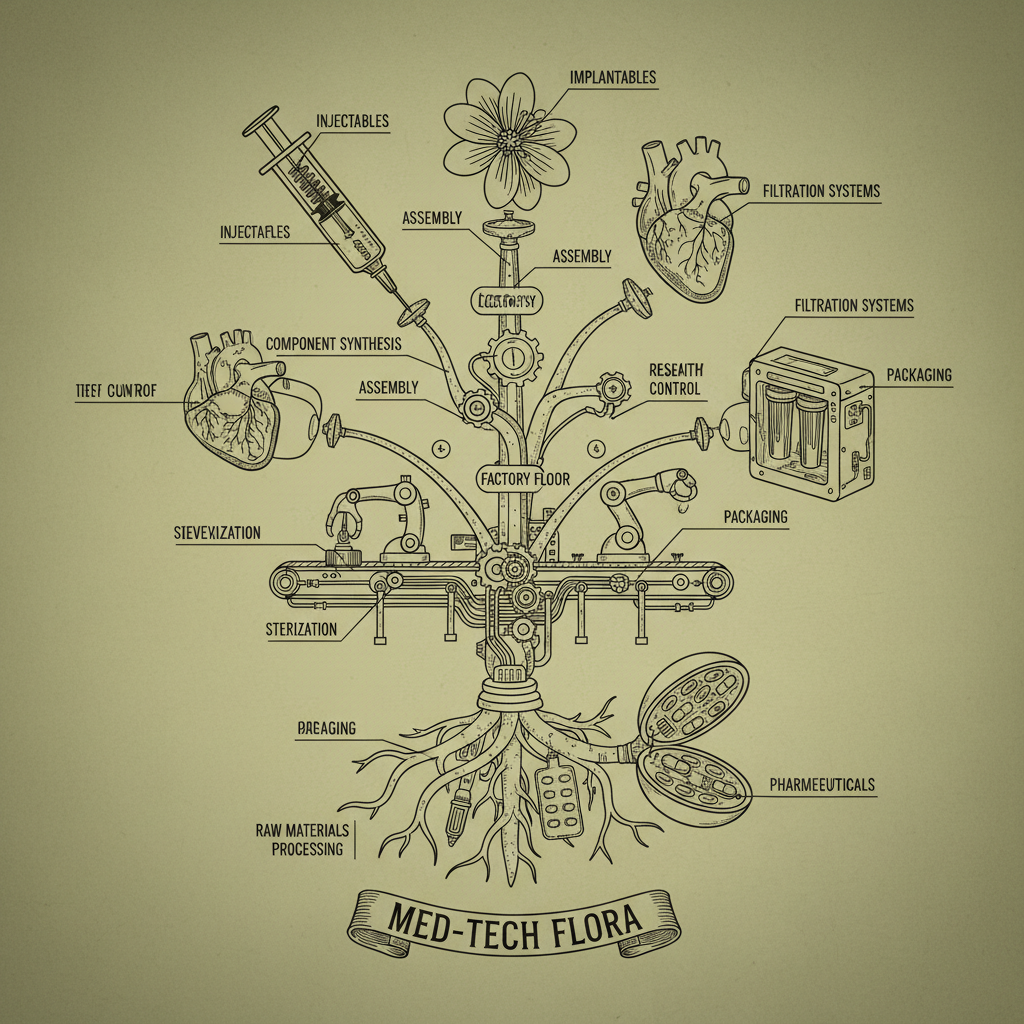
So, everyone’s chasing IoT now. Put a chip in everything, right? Makes it complicated. More points of failure. Later… Forget it, I won't mention it. But seriously, the real trend is just making things reliable. People want stuff that lasts, that doesn’t require a PhD to operate. And that's hard.
And another thing - those fancy CAD models? They look great on a screen, but they rarely account for the realities of manufacturing tolerances. You design a perfect fit, but when it actually gets made, there's a half-millimeter of wiggle room. Drives everyone crazy.
FAQS
Honestly? Underestimating the UV exposure. Sunlight will degrade plastics faster than you think. Always go for UV-stabilized materials, even if they cost a little more. It will save you headaches down the line. And don’t forget about temperature fluctuations. Materials expand and contract, and if you don’t account for that, you'll get cracks and leaks.
Huge. It's not just about what looks good on a CAD model. You need to think about how it's actually going to be made. Can it be easily molded? Is it easy to assemble? Are there any tight tolerances that will be difficult to achieve? Talk to the manufacturing guys early in the process, not after you've already finalized the design.
Real-world testing is crucial. Send prototypes to customers who will actually use them in the intended environment. Let them put it through the wringer. Collect their feedback, and then iterate on the design. Lab tests are good for basic verification, but they don't capture the nuances of real-world usage.
It depends on the volume. If it's a one-off, we usually try to steer them towards a standard enclosure with some modifications. If it’s a larger quantity, we’ll consider a custom tool, but we factor in the cost of tooling and the lead time. We also make sure to clearly define the specifications and get everything in writing to avoid misunderstandings.
Biodegradable plastics are gaining traction, but they’re still not as durable as traditional materials. Self-healing polymers are also interesting, but they’re expensive. I'm keeping an eye on graphene-enhanced materials, but they're still in the early stages of development. Mostly, I think we’ll see more focus on using recycled materials and improving the sustainability of existing materials.
Trade shows, industry publications, and… well, talking to guys on the factory floor. They’re the ones who are actually working with these materials day in and day out, so they know what works and what doesn’t. I also spend a lot of time visiting factories and suppliers, just to see what’s new and how things are evolving.
Conclusion
So, there you have it. From chasing the latest tech trends to dealing with the nitty-gritty of material selection and manufacturing tolerances, it’s a complex field. Ultimately, whether this thing works or not, the worker will know the moment he tightens the screw.
I think the key takeaway is to prioritize reliability and usability. Don't get caught up in the hype. Focus on building products that are durable, easy to manufacture, and meet the actual needs of the end user. And never, ever underestimate the importance of a good factory visit.
Related Posts
-
Comprehensive Guide to Disposable Isolation Gowns Bulk for Healthcare and Industry
-

Advancements in Disposable Surgical Gowns for Enhanced Infection Control
-
The Critical Role of Isolation Gowns in Infection Control and Healthcare Safety
-

Essential Guide to Plastic Disposable Gowns for Healthcare and Industrial Use