Prescription Laboratory Goggles: Ensuring Safety and Clarity
Working in a laboratory demands meticulous attention to detail and, above all, unwavering safety. For individuals who require vision correction, standard safety goggles can be inadequate or uncomfortable. Prescription laboratory goggles offer a tailored solution, combining essential eye protection with clear, customized vision. This article will explore the benefits, features, and considerations when choosing prescription lab goggles, ensuring you can work with confidence and precision. Investing in the right eyewear is crucial for protecting your eyes from chemical splashes, impacts, and other laboratory hazards.
Why Choose Prescription Laboratory Goggles?
The primary advantage of prescription lab goggles lies in providing clear vision for those who normally wear glasses or contact lenses. Contact lenses can be problematic in a lab environment due to potential irritation from chemical fumes or splashes. Wearing standard goggles over glasses can be uncomfortable, create gaps in protection, and even introduce fogging. Prescription goggles eliminate these issues by directly incorporating your vision correction into the safety eyewear. This results in improved comfort, a secure fit, and enhanced safety.
Key Benefits: Improved comfort, a secure fit, enhanced safety, clear and unobstructed vision, elimination of fogging issues, and reduced risk of contamination.
Key Features to Look For in Prescription Laboratory Goggles
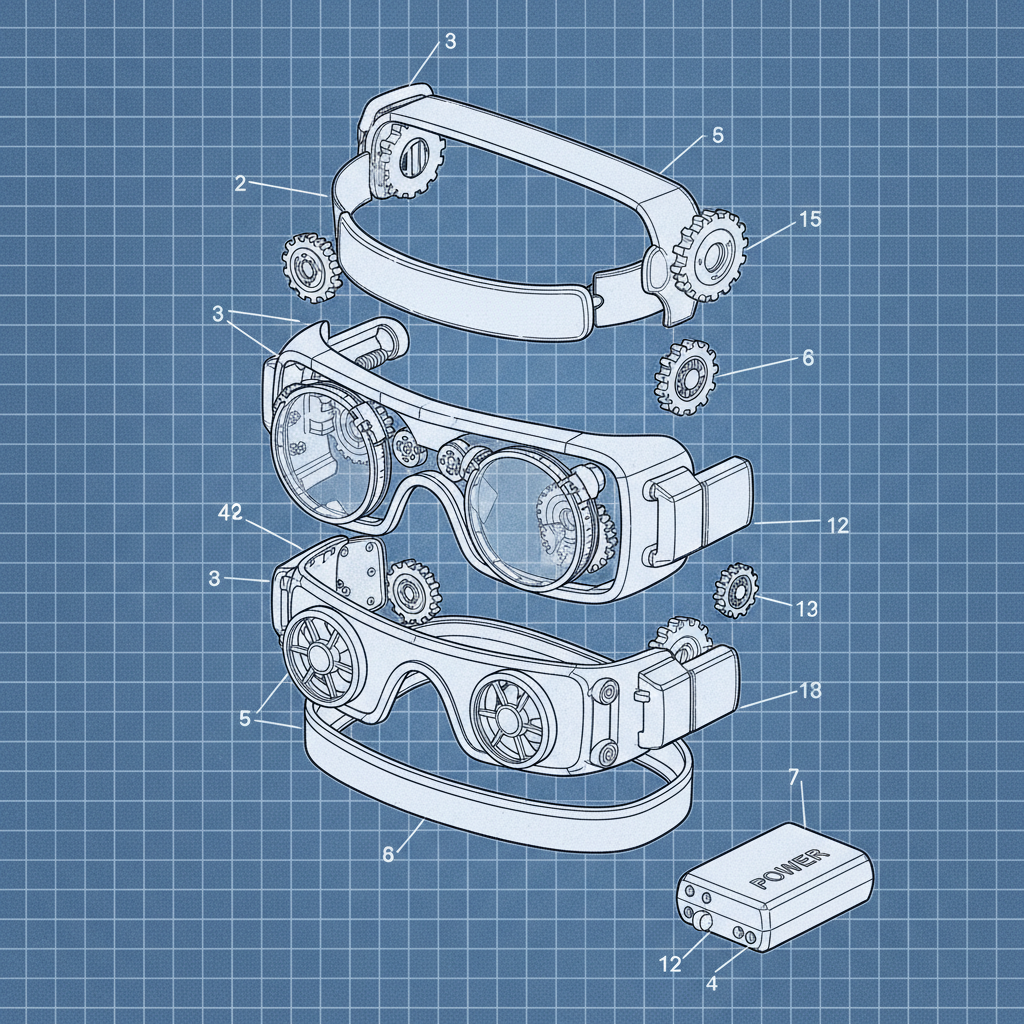
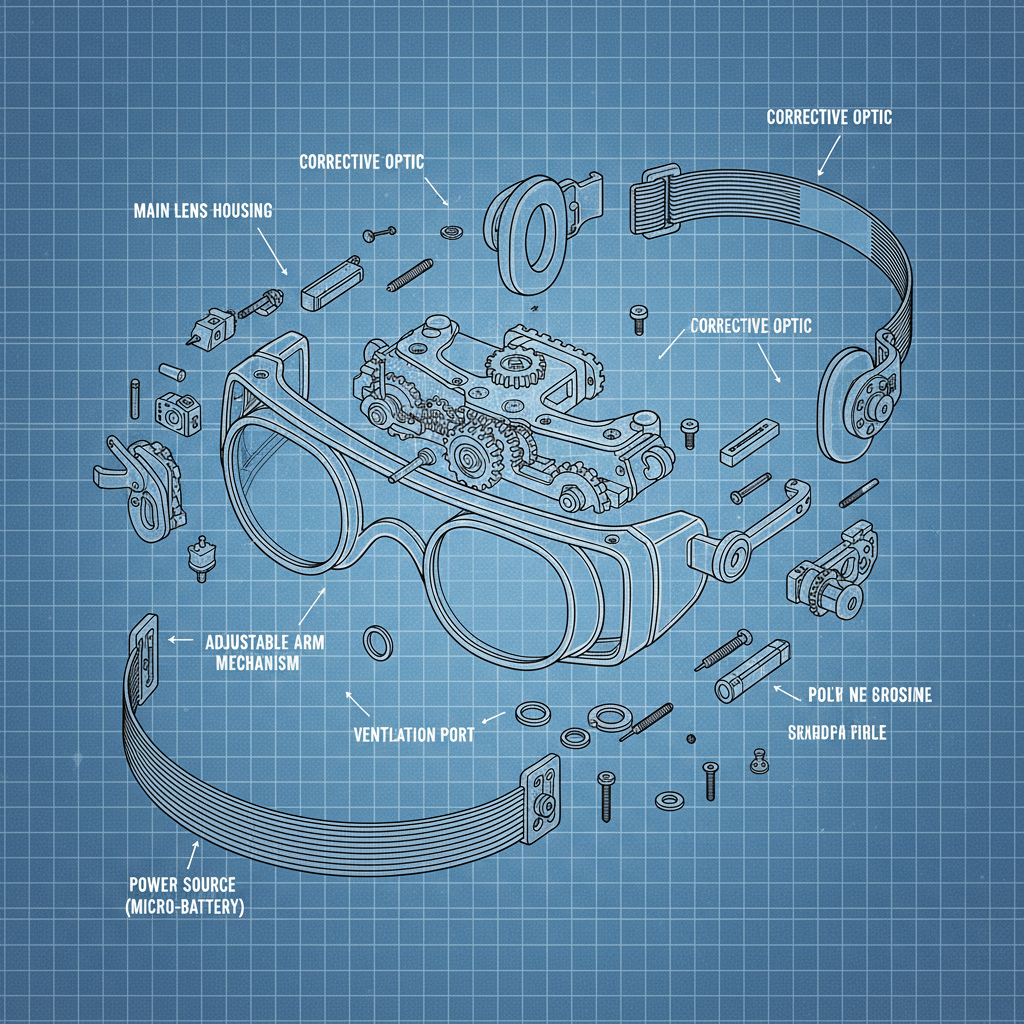
When selecting prescription laboratory goggles, several features are critical. Firstly, ensure they meet relevant safety standards like ANSI Z87.1, which certifies impact resistance. Consider the frame material – polycarbonate is a popular choice for its durability and lightweight nature. Look for goggles with adjustable straps and nose pieces for a personalized fit. Anti-fog coating is essential to maintain clear vision, and some models offer anti-scratch coatings for added longevity. Finally, consider the type of lens material based on your specific lab environment; for example, Trivex lenses offer superior optical clarity and impact resistance.
Essential Features:
• ANSI Z87.1 certification
• Polycarbonate or Trivex frame
• Adjustable straps and nose pieces
• Anti-fog and anti-scratch coatings
Comparing Prescription Goggle Options
Several types of prescription laboratory goggles are available, each with its strengths. Direct prescription goggles involve grinding your prescription directly into the goggle lens. Insert goggles use a removable prescription lens insert within a standard safety goggle frame. Over-the-glass (OTG) goggles accommodate glasses worn underneath, but may not offer the same level of protection or comfort as dedicated prescription goggles. The best choice depends on your individual needs and preferences.
Ensuring Proper Fit and Maintenance
A proper fit is paramount for optimal protection and comfort. The goggles should seal snugly against your face, without feeling overly tight. Adjust the straps and nose piece to achieve a secure and comfortable fit. Regular cleaning is essential to maintain clear vision. Use a mild detergent and warm water, and avoid abrasive cleaners that can scratch the lenses. Store your goggles in a protective case when not in use to prevent damage.
Finding the Right Prescription Laboratory Goggles at Orient Medicare
At Orient Medicare, we understand the importance of safety and clarity in the laboratory. We offer a wide selection of prescription laboratory goggles, crafted with high-quality materials and adhering to stringent safety standards. Our team can assist you in selecting the perfect goggles to meet your specific vision needs and laboratory environment. We prioritize your safety and offer reliable solutions for clear, protected vision.
Conclusion: Prioritizing Eye Safety in the Lab
Investing in a quality pair of prescription laboratory goggles is a proactive step towards ensuring your safety and enhancing your productivity in the lab. Don't compromise on vision or protection - choose the right eyewear for a safer and more efficient work environment. At Orient Medicare, we are committed to providing reliable and customized solutions to meet your unique needs.
Frequently Asked Questions (FAQs)
How often should I replace my prescription lab goggles?
It's generally recommended to replace your prescription lab goggles every 2-3 years, or sooner if they become scratched, damaged, or no longer provide a clear and secure fit. Regular use and exposure to chemicals can degrade the lenses and frame over time, compromising their protective capabilities. Furthermore, changes in your prescription necessitate a new pair of goggles. Annual inspections are advised to identify any potential issues and ensure continued safety.
Can I use my existing prescription with Orient Medicare?
Yes, absolutely! Orient Medicare accepts valid prescriptions from your eye care professional. You'll need to provide us with the essential information from your prescription, including your sphere, cylinder, axis, and pupillary distance (PD). Our team can guide you through the process of submitting your prescription and ensuring accurate lens fabrication.
What safety standards do Orient Medicare's goggles meet?
All prescription laboratory goggles offered by Orient Medicare meet or exceed ANSI Z87.1 standards for impact resistance. This certification ensures that our goggles provide a reliable level of protection against flying objects, chemical splashes, and other potential hazards found in a laboratory setting. We are committed to providing eyewear that prioritizes your safety and complies with industry regulations.
Jan . 27, 2026 22:25