Prescription Healthcare Safety Glasses: Protecting Your Vision at Work
In today’s demanding work environments, prioritizing safety is paramount, and that includes protecting your vision. For individuals who require corrective lenses, standard safety glasses can be cumbersome and ineffective. Prescription healthcare safety glasses offer a seamless solution, combining the necessary vision correction with robust protection against workplace hazards. This article will explore the benefits, features, and considerations when choosing prescription safety glasses, ensuring you maintain clear vision and safety on the job. Investing in the right eyewear is a crucial step in preventing eye injuries and promoting a safe working environment.
Why Choose Prescription Healthcare Safety Glasses?
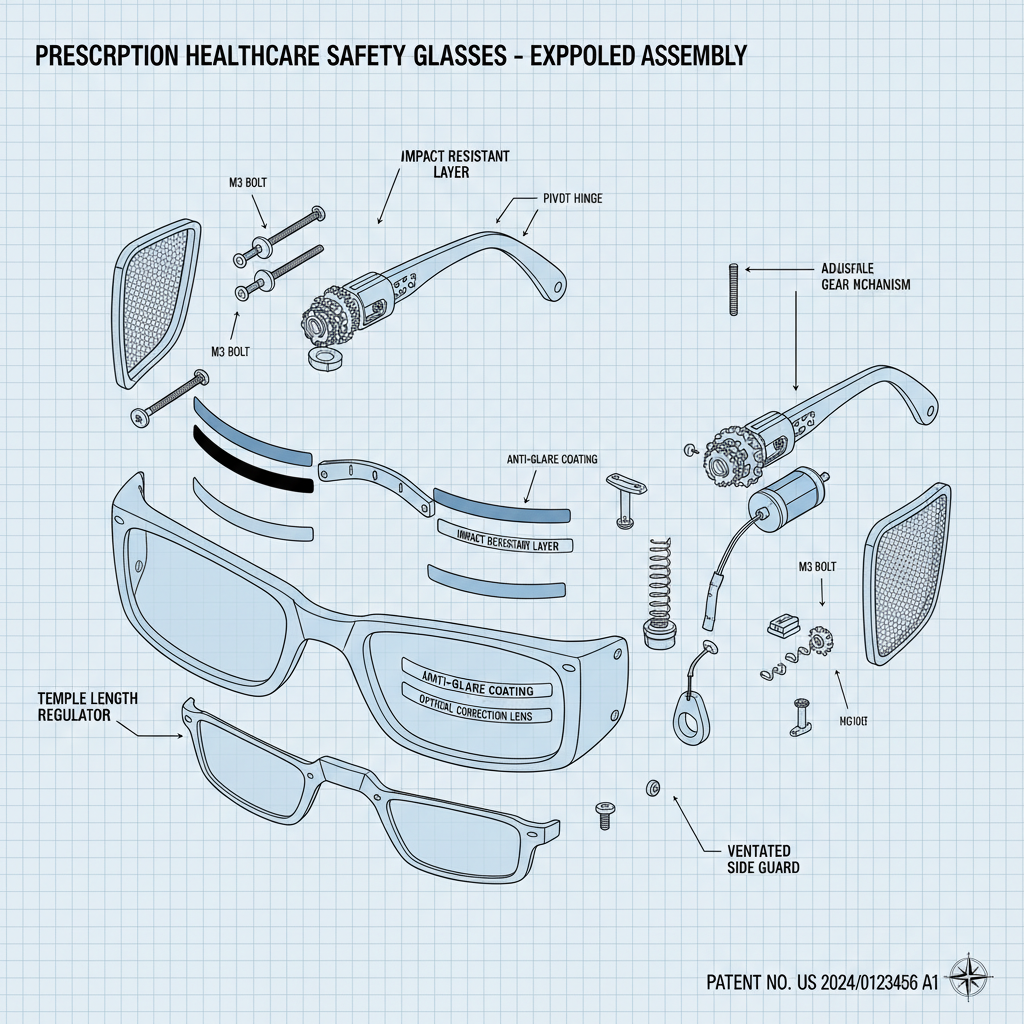
Unlike over-the-counter safety glasses worn over prescription eyewear, prescription safety glasses integrate both vision correction and impact protection into a single lens. This eliminates issues like fogging, discomfort, and reduced peripheral vision. They are specifically designed to meet stringent safety standards, like ANSI Z87.1, ensuring they can withstand impacts from flying particles, dust, and other workplace hazards. Moreover, these glasses are available in various frame styles and lens materials, allowing for a comfortable and personalized fit. Orient Medicare offers a wide selection tailored to diverse industry needs.
Key Benefits: Eliminate fogging and discomfort, enhanced peripheral vision, meet ANSI Z87.1 standards, customizable fit and style.
Understanding ANSI Z87.1 Safety Standards
The American National Standards Institute (ANSI) Z87.1 standard is the benchmark for safety eyewear in the United States. This standard outlines rigorous testing procedures to ensure eyewear can protect against various hazards, including high-impact projectiles, chemical splashes, and UV radiation. When purchasing prescription safety glasses, it's crucial to verify they are certified to meet ANSI Z87.1 standards. This certification is usually marked on the frame or lens of the glasses. Without this certification, you cannot be certain the eyewear offers adequate protection in a hazardous work environment. Orient Medicare ensures all its safety glasses meet or exceed these crucial standards.
Key Aspects of ANSI Z87.1:
• Impact Resistance: Glasses must withstand impact from specific weight projectiles at defined speeds.
• Chemical Splash Resistance: Protection against liquid splashes.
• UV Radiation Protection: Blocks harmful ultraviolet rays.
Choosing the Right Lens Material for Your Needs
Several lens materials are available for prescription safety glasses, each offering different advantages. Polycarbonate is the most common choice due to its exceptional impact resistance, lightweight feel, and 100% UV protection. Trivex is another excellent option, offering similar impact resistance and optical clarity to polycarbonate but with even lighter weight. High-index plastic is a good choice for individuals with strong prescriptions, as it allows for thinner, lighter lenses. Consider your work environment and prescription strength when selecting the best lens material. Orient Medicare’s experts can help you navigate these choices.
Industry-Specific Considerations
Different industries present unique eye safety challenges. For example, construction workers need glasses that protect against dust, debris, and impacts. Healthcare professionals may require glasses with anti-fog coatings to maintain clear vision during procedures. Welders require specialized lenses to shield their eyes from intense UV radiation. Orient Medicare offers a wide range of options tailored to various industries, ensuring you receive the appropriate level of protection for your specific work environment.
Finding the Perfect Fit: Frame Styles and Features
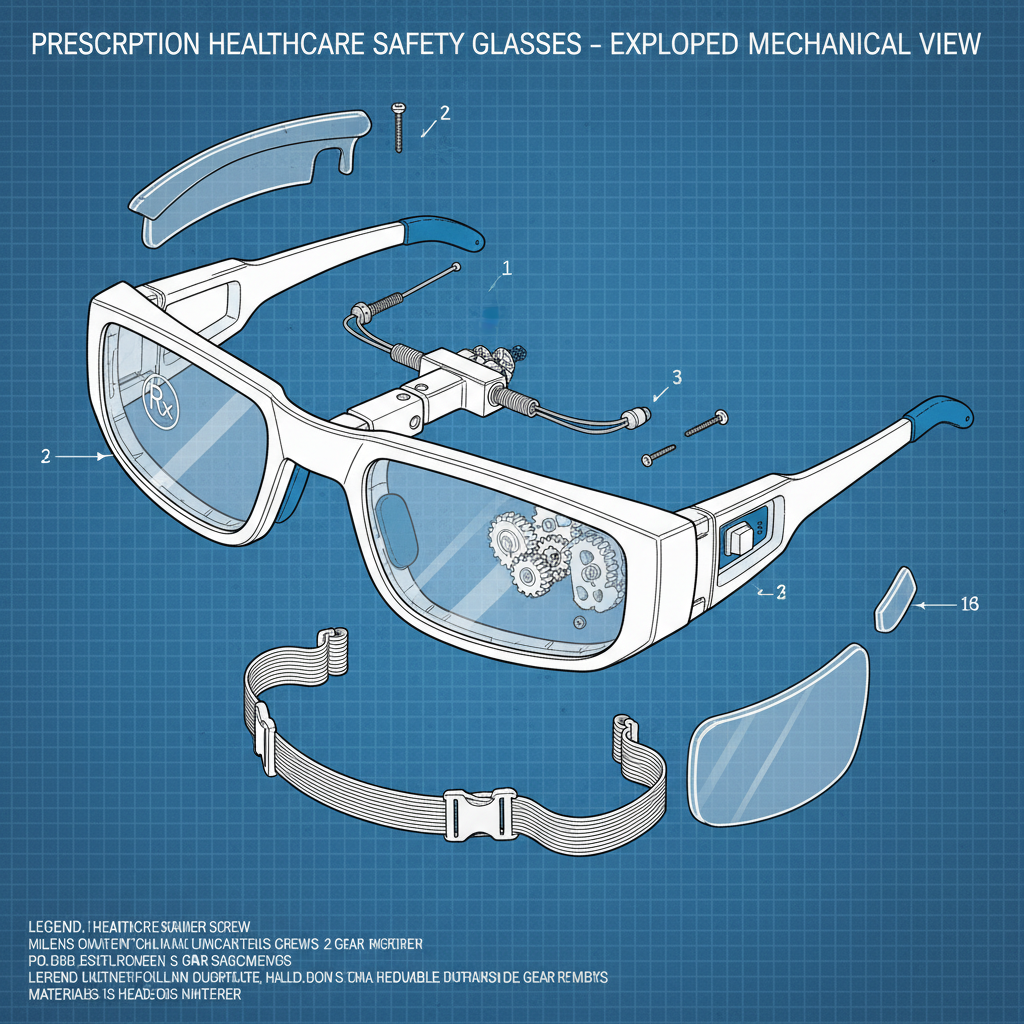
Prescription safety glasses are available in a variety of frame styles, including wraparound, half-frame, and full-frame designs. Wraparound styles offer maximum protection by providing a wide field of view and sealing around the eyes. Half-frame and full-frame styles offer a more traditional look and are suitable for less hazardous environments. Look for features like adjustable nose pads and temple arms to ensure a comfortable and secure fit. Consider the size and shape of your face when choosing a frame style. Orient Medicare provides virtual try-on options and expert fitting advice.
Conclusion: Prioritizing Vision Safety
Investing in prescription healthcare safety glasses is an investment in your well-being and productivity. By choosing glasses that meet ANSI Z87.1 standards, are made from appropriate lens materials, and fit comfortably, you can ensure clear vision and optimal protection in any work environment. Don't compromise on safety - protect your vision with quality eyewear.
Frequently Asked Questions (FAQs)
How often should I replace my prescription safety glasses?
It is generally recommended to replace your prescription safety glasses every 2-3 years, or sooner if the lenses become scratched, damaged, or if your prescription changes. Regular inspection is key. Even without visible damage, the protective coating can degrade over time, reducing its effectiveness. If you work in a particularly harsh environment, or if the glasses are frequently exposed to impacts, you may need to replace them more often.
Can I use my vision insurance to purchase prescription safety glasses?
Many vision insurance plans do cover prescription safety glasses, although the coverage may vary depending on your plan. It’s always best to check with your insurance provider to determine the extent of your coverage. Orient Medicare can assist you with understanding your insurance benefits and submitting claims.
What coatings are available for prescription safety glasses?
Several coatings can enhance the functionality and comfort of your prescription safety glasses. Anti-fog coatings prevent lens fogging in humid or fluctuating temperatures. Anti-scratch coatings protect the lenses from abrasions. Anti-reflective coatings reduce glare and improve visual clarity. UV protection coatings block harmful ultraviolet rays. At Orient Medicare, we offer a variety of coating options to meet your specific needs.
Jan . 27, 2026 19:55