The Ultimate Guide to 3D Surgical Face Masks
In the ever-evolving landscape of medical safety, the demand for superior respiratory protection is paramount. 3D surgical face masks represent a significant advancement in this field, offering enhanced comfort, filtration, and a secure fit. This article will delve into the benefits of 3D surgical face masks, their applications, manufacturing processes, and why Orient Medicare is a trusted provider of these crucial medical devices. Choosing the right face mask is vital for protecting both healthcare professionals and patients alike.

Understanding the Benefits of 3D Surgical Face Masks
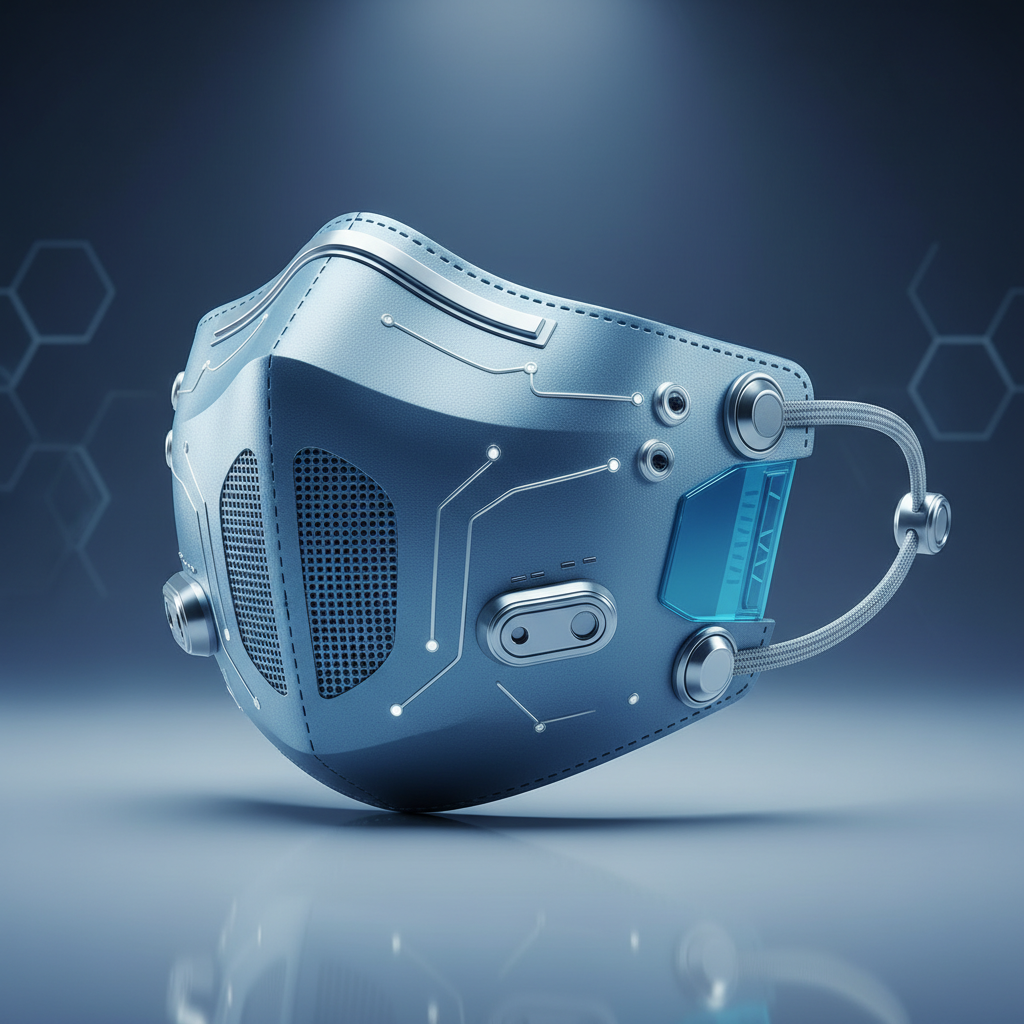
Traditional flat surgical masks often struggle to create a complete seal around the nose and mouth, leading to potential gaps where airborne particles can enter. 3D surgical face masks, however, are designed with a contoured shape that conforms to the facial structure, minimizing these gaps and maximizing protection. This enhanced fit not only improves filtration efficiency but also increases comfort for extended wear. The three-dimensional design creates a breathing space, reducing resistance and preventing the mask from collapsing during exhalation. This is especially important during long procedures. Orient Medicare's 3D masks are engineered for optimal performance and comfort.
Key Benefits: Enhanced facial fit, improved filtration, increased comfort, reduced breathing resistance, and prevention of mask collapse.
Applications of 3D Surgical Face Masks
The versatile nature of 3D surgical face masks makes them suitable for a wide range of medical applications. These include: surgical procedures, dental treatments, laboratory work, patient care, and general healthcare settings. Their superior filtration efficiency is critical in preventing the spread of airborne pathogens, protecting both healthcare workers and patients from infection. The comfortable fit also makes them ideal for longer procedures where consistent respiratory protection is essential. Orient Medicare provides masks specifically designed to meet the demanding needs of various medical specialties.
Key Application Areas:
• Surgical Procedures
• Dental Treatments
• Laboratory Work
• Patient Care
3D Surgical Face Mask vs. Traditional Flat Masks: A Comparative Analysis
While traditional flat masks have long been a standard in healthcare, 3D surgical face masks offer significant advantages in terms of fit, filtration, and comfort. The contoured shape of 3D masks creates a more secure seal, minimizing leakage and maximizing protection. This translates to a lower risk of exposure to airborne pathogens. Moreover, the three-dimensional design provides a breathing space, reducing resistance and improving comfort during extended wear. Orient Medicare’s commitment to innovation ensures that their 3D masks deliver superior performance.
Manufacturing and Quality Control at Orient Medicare
At Orient Medicare, we employ advanced manufacturing techniques and rigorous quality control processes to ensure our 3D surgical face masks meet the highest standards of safety and performance. Our masks are produced in a state-of-the-art facility using premium materials and adhering to strict international guidelines. Each batch undergoes thorough testing for filtration efficiency, breathability, and biocompatibility. We are committed to delivering consistently reliable and effective respiratory protection to healthcare professionals worldwide.
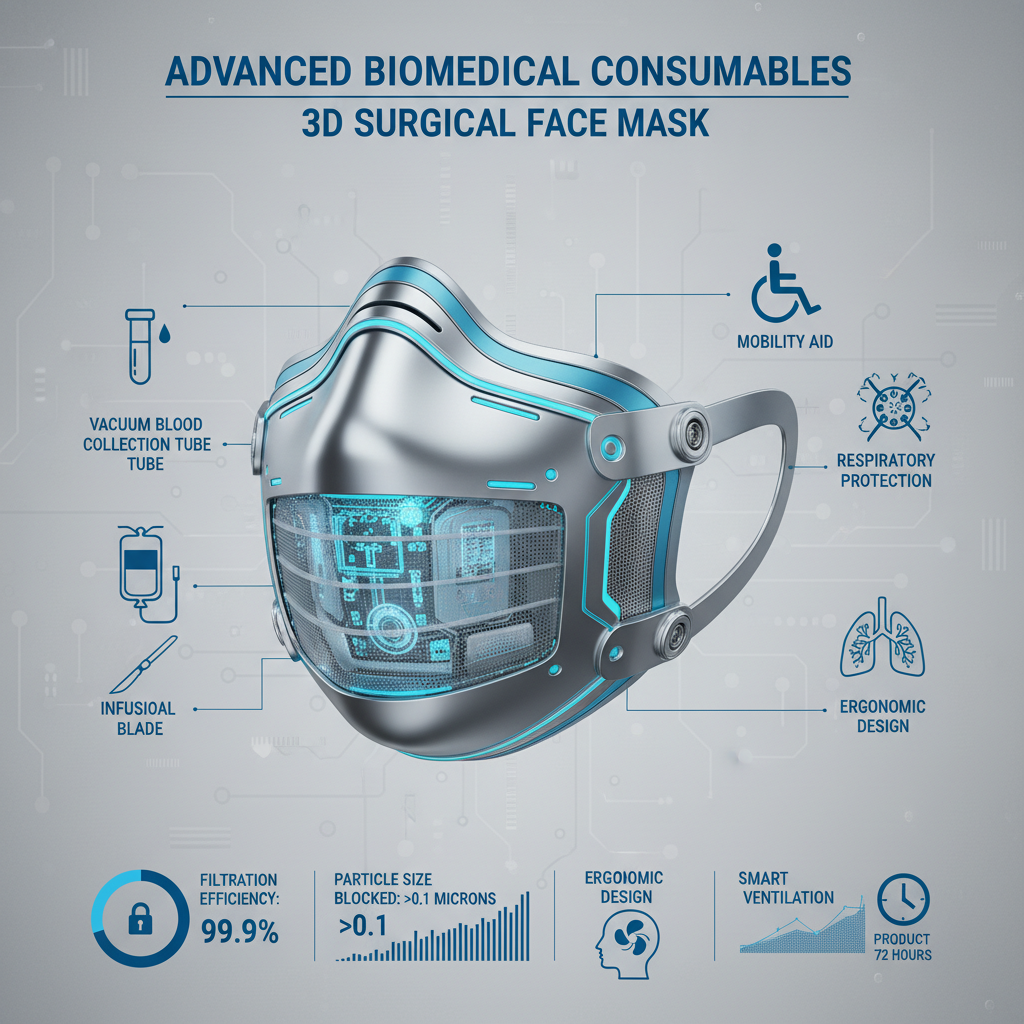
Product Specifications
Here’s a detailed look at the specifications of our 3D Surgical Face Masks:
Conclusion: Choosing Reliable 3D Surgical Face Masks
Investing in high-quality 3D surgical face masks from a trusted supplier like Orient Medicare is a critical step in protecting healthcare workers and patients. Our commitment to innovation, quality, and reliability ensures you receive a product that performs to the highest standards. Prioritize safety and choose a mask that delivers superior comfort and protection.
Frequently Asked Questions (FAQs)
What is the difference between a surgical mask and an N95 respirator?
Surgical masks are loose-fitting and primarily designed to protect the wearer from splashes and large droplets, as well as to prevent the spread of the wearer’s respiratory secretions. N95 respirators, on the other hand, are more tightly fitted and designed to filter out at least 95% of airborne particles, including small droplets and aerosols. N95 respirators offer a higher level of protection but require proper fit testing. Orient Medicare’s 3D surgical masks prioritize comfort and filtration for routine medical procedures.
How often should I replace my surgical face mask?
A surgical face mask should be replaced whenever it becomes damp, soiled, or damaged. It is generally recommended to change masks after each use, or at least every 4 hours during continuous use. Avoid touching the front of the mask when removing it, and dispose of it properly in a designated waste container.
Are 3D surgical face masks suitable for all healthcare settings?
Yes, 3D surgical face masks are suitable for a wide range of healthcare settings, including hospitals, clinics, dental offices, and laboratories. They provide a comfortable and effective barrier against airborne pathogens, protecting both healthcare workers and patients. However, for procedures with a high risk of aerosol generation, an N95 respirator may be required.
What materials are used to make Orient Medicare’s 3D surgical face masks?
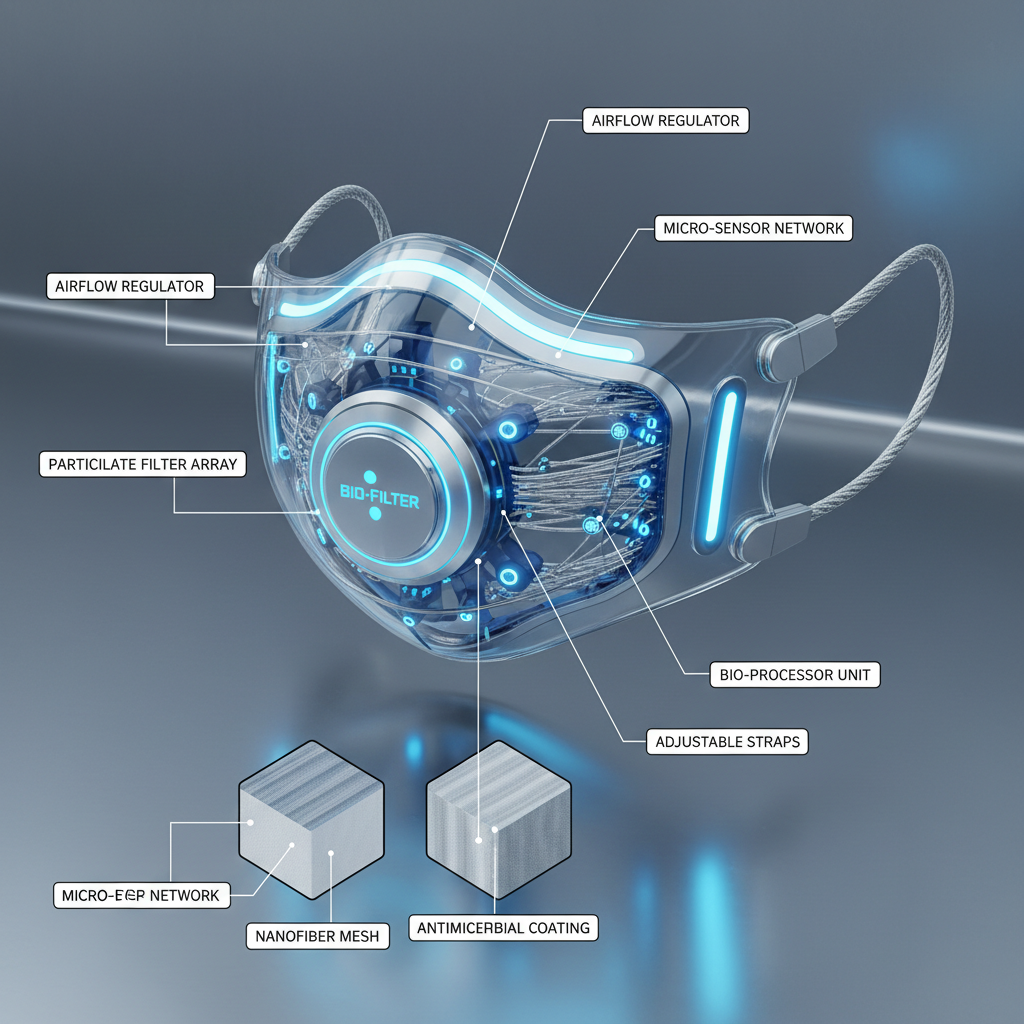
Our 3D surgical face masks are made from high-quality multi-layer nonwoven fabric, including polypropylene (PP) and meltblown materials. These materials are carefully selected for their excellent filtration efficiency, breathability, and biocompatibility. We adhere to strict quality control standards to ensure our masks meet the highest safety requirements.
Mar . 28, 2026 02:45