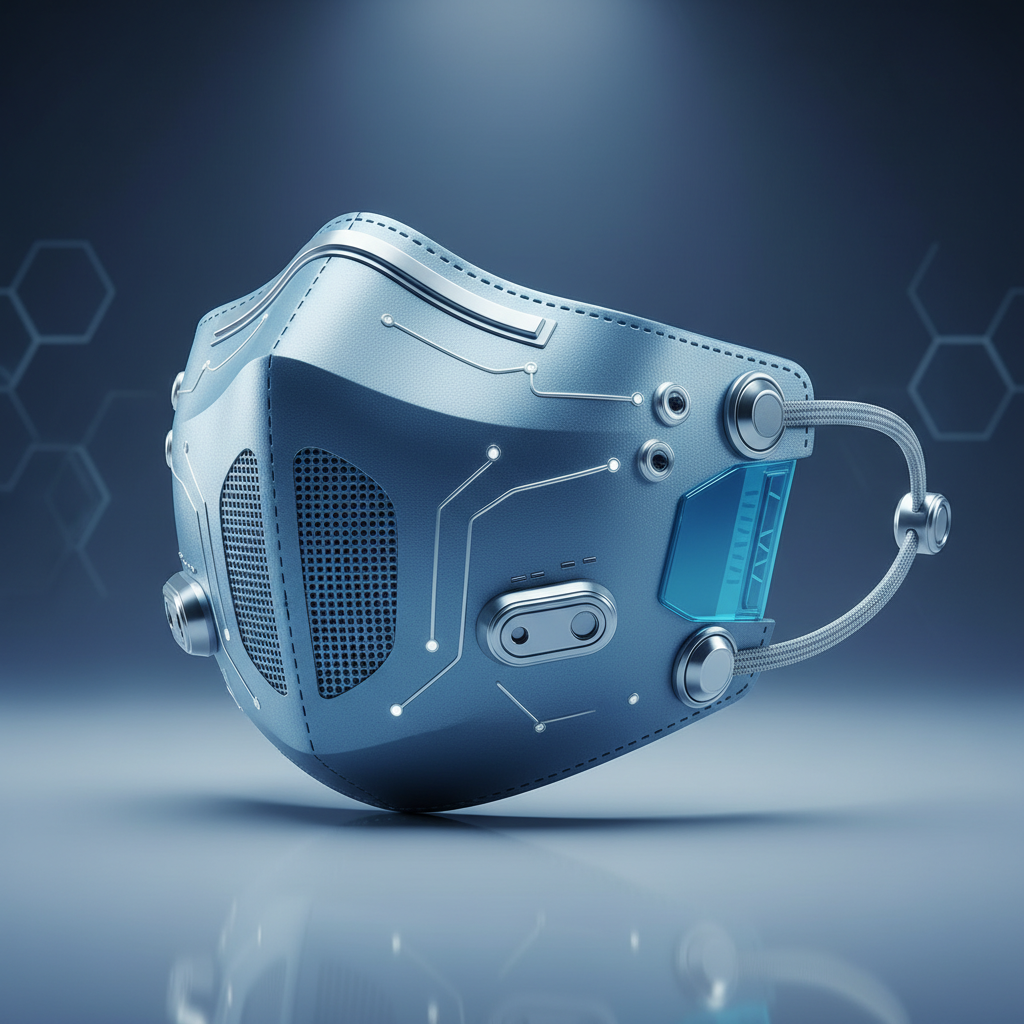
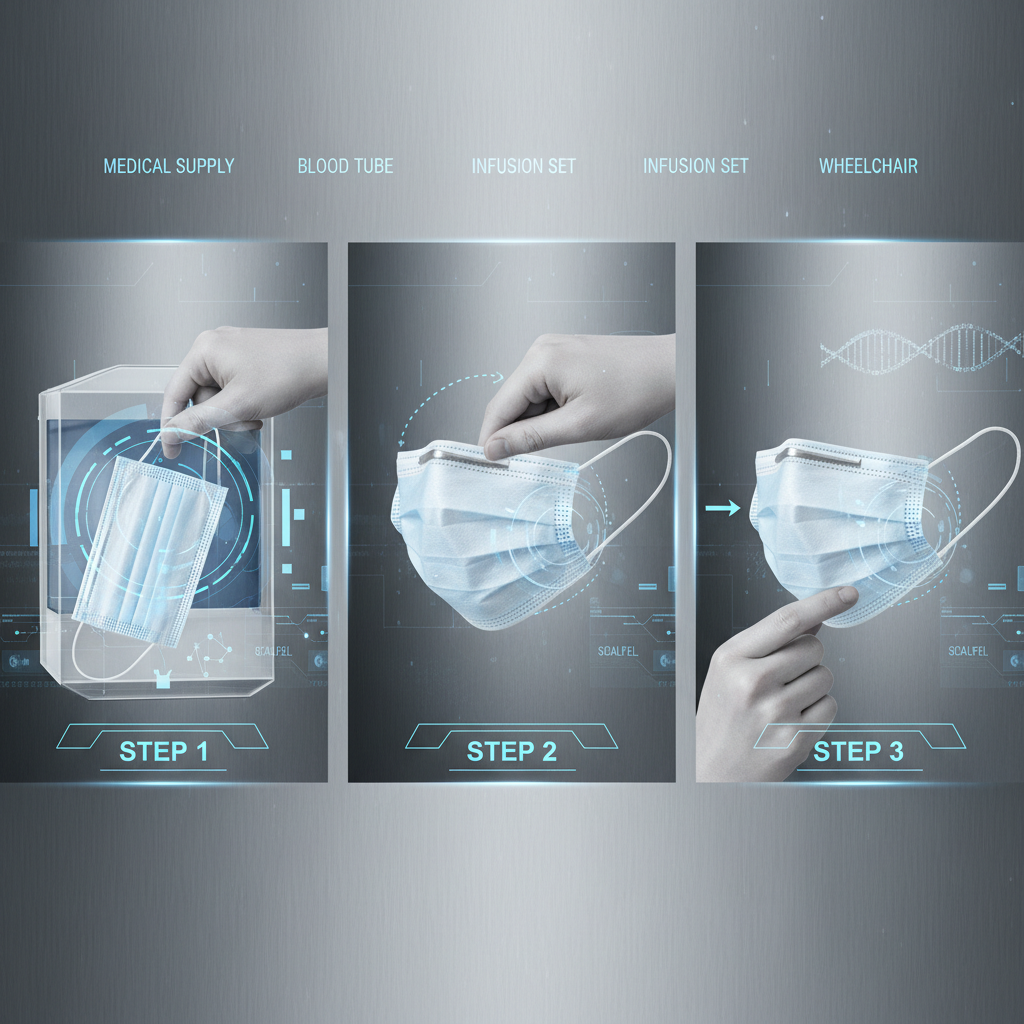
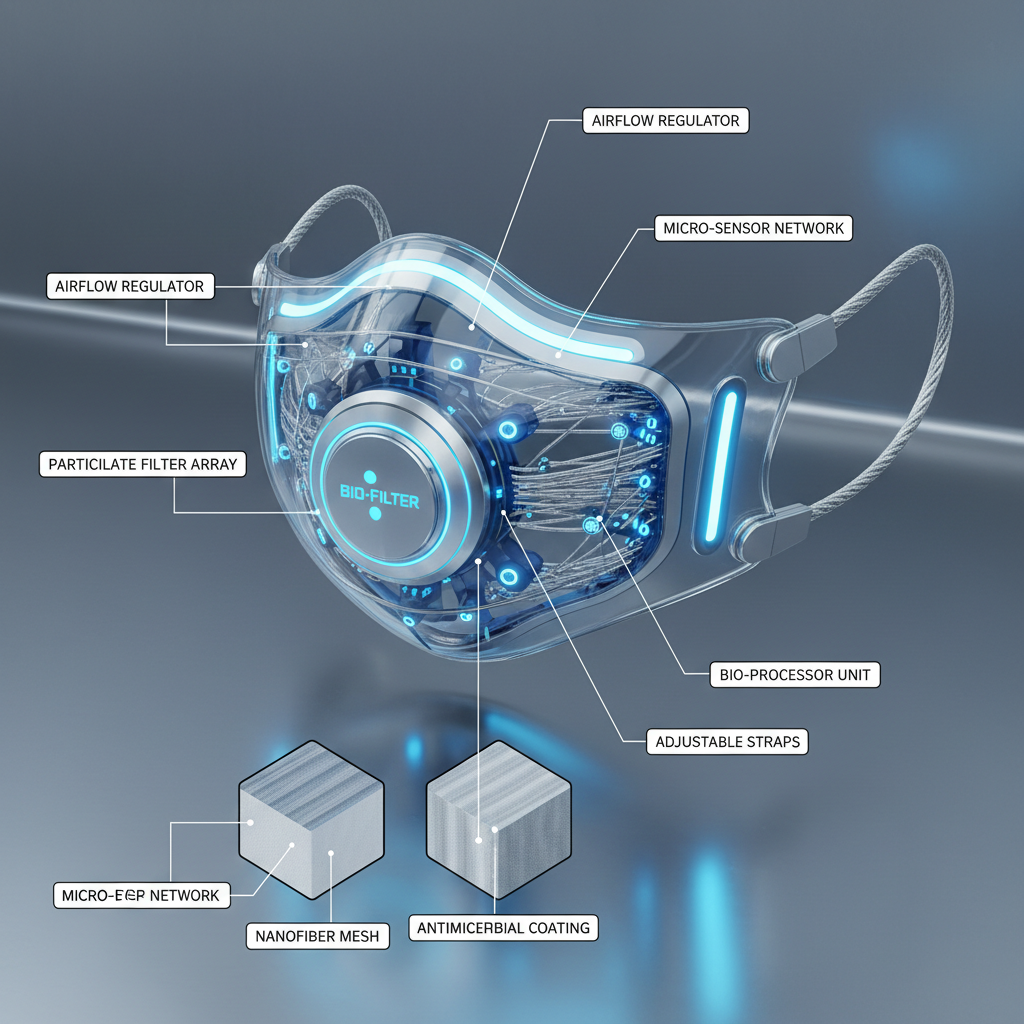
Understanding the Benefits of 3D Surgical Masks
In the global effort to control the spread of infectious diseases, the demand for high-quality, effective personal protective equipment (PPE) has surged. Among these, surgical masks play a vital role in protecting healthcare professionals and the public. Recently, 3D surgical masks have emerged as a promising advancement in mask technology, offering superior comfort, fit, and potentially increased filtration efficiency. This article will explore the features, benefits, and applications of 3D surgical masks, and why they are gaining prominence in the medical field and beyond. Choosing the right mask is crucial for optimal protection and comfort, and understanding the advantages of 3D designs can help make informed decisions.
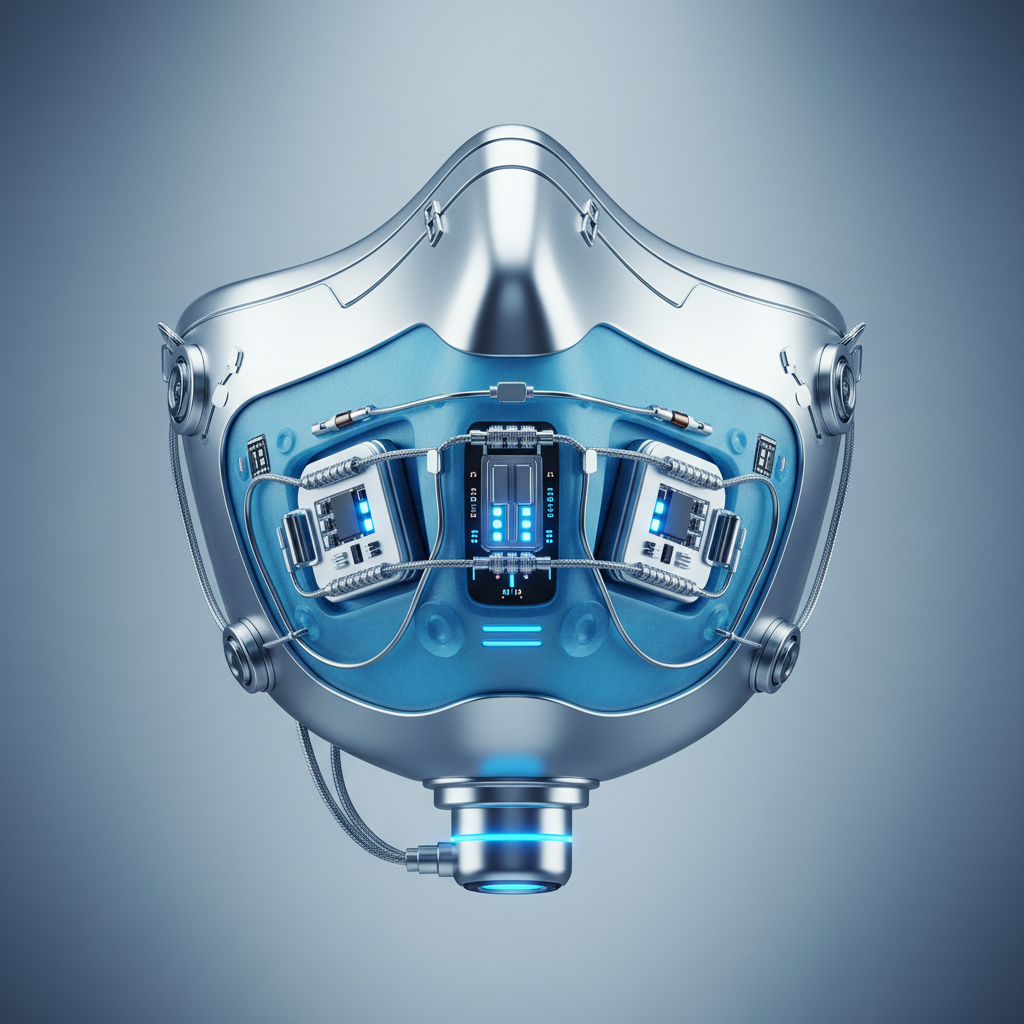
What Makes 3D Surgical Masks Different?
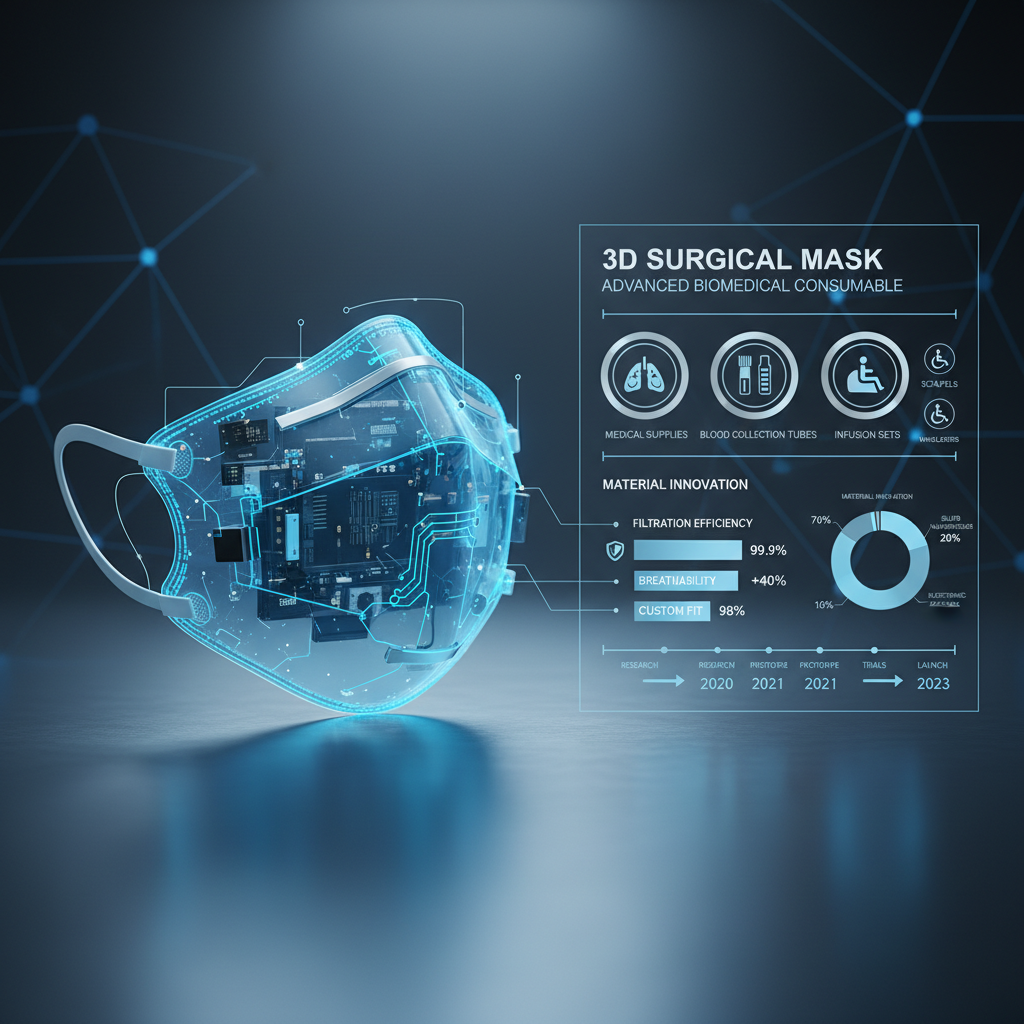
Traditional flat surgical masks are designed to provide a basic barrier against droplets and aerosols. However, they often suffer from poor fit, leading to gaps around the nose and cheeks. This reduces their effectiveness. 3D surgical masks, on the other hand, are engineered with a contoured shape that conforms to the facial structure, creating a tighter seal. This improved fit is achieved through innovative designs and materials that allow the mask to mold to the user's face, minimizing leakage and maximizing protection. This leads to better filtration efficiency and increased user comfort. The enhanced design of these masks is a significant step forward in PPE technology.
Key Highlights: Improved facial fit, minimizing gaps and leakage. Enhanced filtration efficiency due to the tighter seal. Increased user comfort compared to traditional flat masks.
The Benefits of a Superior Fit: Improved Filtration
The primary benefit of a well-fitted mask is improved filtration. Gaps between the mask and the face allow unfiltered air to bypass the mask material, reducing its protective capabilities. 3D surgical masks minimize these gaps, forcing air to pass through the filtration layers. This results in a higher percentage of particles being captured, including bacteria, viruses, and other airborne contaminants. Studies have shown that even small gaps can significantly reduce mask effectiveness. Therefore, investing in a mask that provides a secure and comfortable fit is crucial for optimal protection, and Orient Medicare's 3D masks are designed with this in mind.
Filtration Enhancement Factors:
• Minimizes air leakage around the edges of the mask.
• Forces air through the filtration layers.
• Increases the capture rate of airborne particles.
• Provides a more reliable barrier against infection.
3D Surgical Masks vs. Traditional Masks: A Comparative Analysis
While both 3D and traditional surgical masks provide a level of protection, their performance differs significantly. Traditional masks often require careful adjustment to achieve a decent seal, and even then, gaps can remain. 3D masks, due to their contoured design, inherently provide a better fit with less adjustment. Furthermore, the materials used in 3D masks are often chosen for their flexibility and ability to conform to facial contours. This not only improves comfort but also enhances the seal, maximizing filtration. This is particularly important for healthcare workers who spend extended periods wearing masks.
Applications of 3D Surgical Masks
The enhanced protection and comfort offered by 3D surgical masks make them ideal for a variety of applications. Primarily, they are used in healthcare settings, including hospitals, clinics, and dental offices, to protect both healthcare workers and patients. However, their benefits extend beyond medical facilities. 3D surgical masks are also increasingly being used in industries such as manufacturing, food processing, and transportation, where exposure to airborne particles is a concern. The demand for these masks has also increased among the general public seeking enhanced protection in crowded spaces. Orient Medicare offers a range of 3D masks suitable for diverse needs.
Product Specifications and Standards
3D surgical masks from Orient Medicare are manufactured to meet stringent quality standards, including EN 14683 Type IIR. These masks are constructed from multiple layers of non-woven fabric, providing a high level of filtration efficiency. They are also latex-free and hypoallergenic, minimizing the risk of allergic reactions. Here's a breakdown of key specifications:
Conclusion: Embrace Advanced Protection with 3D Surgical Masks
Investing in 3D surgical masks from Orient Medicare is a proactive step toward enhanced safety and protection. Their superior fit, increased filtration efficiency, and comfortable design make them a valuable asset in preventing the spread of infectious diseases. Prioritizing quality PPE is crucial for safeguarding health and well-being, and 3D surgical masks represent a significant advancement in this field.
Frequently Asked Questions (FAQs)
How do I properly dispose of a used 3D surgical mask?
Used surgical masks should be treated as biohazardous waste. Place the mask in a sealed plastic bag before disposing of it in a designated waste container. Avoid touching the outside of the mask during removal and disposal to prevent contamination. Wash your hands thoroughly with soap and water immediately after handling the used mask. Do not reuse single-use masks. Following these guidelines helps prevent the spread of infection and protects both individuals and the environment.
Are 3D surgical masks suitable for children?
While 3D surgical masks offer superior protection, proper fit is crucial, especially for children. Masks designed for adults may not provide an adequate seal on a child's face. It's important to choose masks specifically designed for children's smaller facial features. Ensure the mask covers the nose and mouth completely and fits snugly without being too tight. Supervision is recommended when children are wearing masks to ensure proper usage and prevent discomfort. Orient Medicare offers a range of mask sizes suitable for different age groups.
What is the difference between a surgical mask and an N95 respirator?
Surgical masks are loose-fitting masks designed to protect the wearer from splashes and sprays, while also limiting the spread of respiratory droplets. N95 respirators, on the other hand, are tight-fitting respirators that filter out at least 95% of airborne particles. N95 respirators require a proper fit test to ensure a secure seal. While N95 respirators offer a higher level of protection, they can be less comfortable for extended wear. The choice between a surgical mask and an N95 respirator depends on the specific risk level and workplace requirements.
How often should I replace a 3D surgical mask during prolonged use?
The frequency of mask replacement depends on several factors, including humidity, activity level, and exposure to contaminants. Generally, a surgical mask should be replaced every 4-8 hours, or sooner if it becomes wet, soiled, or damaged. With increased humidity from breathing or sweating, the mask's filtration efficiency can decrease. If you are engaging in strenuous activity, replace the mask more frequently. It is also crucial to replace the mask if it becomes visibly dirty or contaminated.
Mar . 31, 2026 02:35