Look, ppe gown disposable isn't about fancy marketing or buzzwords. It's about keeping people safe and getting the job done. I’ve spent the last fifteen years on construction sites, hospitals, and even disaster relief efforts, and I've seen firsthand what happens when you skimp on proper protection. A good disposable gown isn't just a piece of fabric; it's a barrier against hazards, a vital component of infection control, and, frankly, a sign that a facility or organization cares about its people. We’re talking about protecting healthcare workers, lab personnel, even food processing staff - anyone facing potential exposure to fluids, chemicals, or particulate matter. ppe gown disposable is the baseline expectation these days.
The demand for reliable ppe gown disposable has exploded, and it’s not going away. The pandemic really shone a spotlight on the global supply chain vulnerabilities, and we all saw the shortages and price gouging. But even beyond that, regulations are tightening, and awareness around worker safety is increasing. It’s no longer enough to just have gowns; they need to meet specific performance standards, be comfortable enough for extended wear, and be available when and where they’re needed. It’s a complex logistical challenge, and a surprisingly technical field when you really get into the materials science.
We’ve moved beyond simple plastic sheeting. These gowns are engineered pieces of equipment. And, honestly, it's not a glamorous industry, but it’s critical. I’ve been involved in sourcing, testing, and even designing better gowns, and I can tell you it's incredibly rewarding when you know you're directly contributing to someone’s safety.
The Importance of ppe gown disposable
Let’s be clear: ppe gown disposable isn't just about compliance; it’s about protecting the people doing critical work. I’ve seen the impact of inadequate protection firsthand – from minor skin irritations to serious infections. A reliable gown creates a physical barrier, reducing the risk of contamination. It's fundamental to controlling the spread of pathogens in healthcare, preventing chemical exposure in labs, and maintaining hygiene standards in food production. It's the first line of defense for a lot of folks.
The demand is driven by a growing awareness of infection control, increasingly stringent regulations (ISO 13485, for example, plays a big role), and, unfortunately, the ever-present threat of emerging infectious diseases. It’s a global need, and finding a consistent, reliable supply chain is paramount.
Global Context and Demand
The global ppe gown disposable market is huge, and it's only getting bigger. The UN estimates billions of gowns are needed annually just to meet basic healthcare needs. The COVID-19 pandemic dramatically exposed the limitations of existing manufacturing capacity and supply chains. We saw prices soar and shortages become commonplace. This created a massive push for reshoring manufacturing, diversifying supply sources, and investing in more robust production capabilities.
Countries like China are dominant players in manufacturing, but there’s a growing trend towards regional production hubs in Europe and North America. The goal is to reduce reliance on single sources and improve responsiveness to local needs. The demand isn't limited to healthcare, either. Industries like pharmaceuticals, biotechnology, and even food processing are all significant consumers of disposable gowns.
We’re also seeing increased demand from developing nations as they invest in improving their healthcare infrastructure and worker safety standards. This creates both opportunities and challenges, requiring sustainable sourcing and equitable distribution of these critical resources.
Defining ppe gown disposable
Simply put, a ppe gown disposable is a garment designed to be worn by healthcare professionals or individuals in other industries to protect both the wearer and the patient (or product) from contamination. These gowns are intended for single use and are discarded after each use to prevent the spread of infection or hazardous materials.
The connection to modern industry and humanitarian needs is profound. In healthcare, gowns are essential for surgical procedures, patient care, and preventing healthcare-associated infections. In disaster relief, they provide a critical layer of protection for responders dealing with hazardous environments. In manufacturing, they safeguard workers from chemical exposure and maintain product sterility.
It's a deceptively simple concept, but the materials science and engineering behind a good gown are quite complex. We’re talking about balancing barrier protection, breathability, comfort, and cost-effectiveness.
Key Performance Characteristics
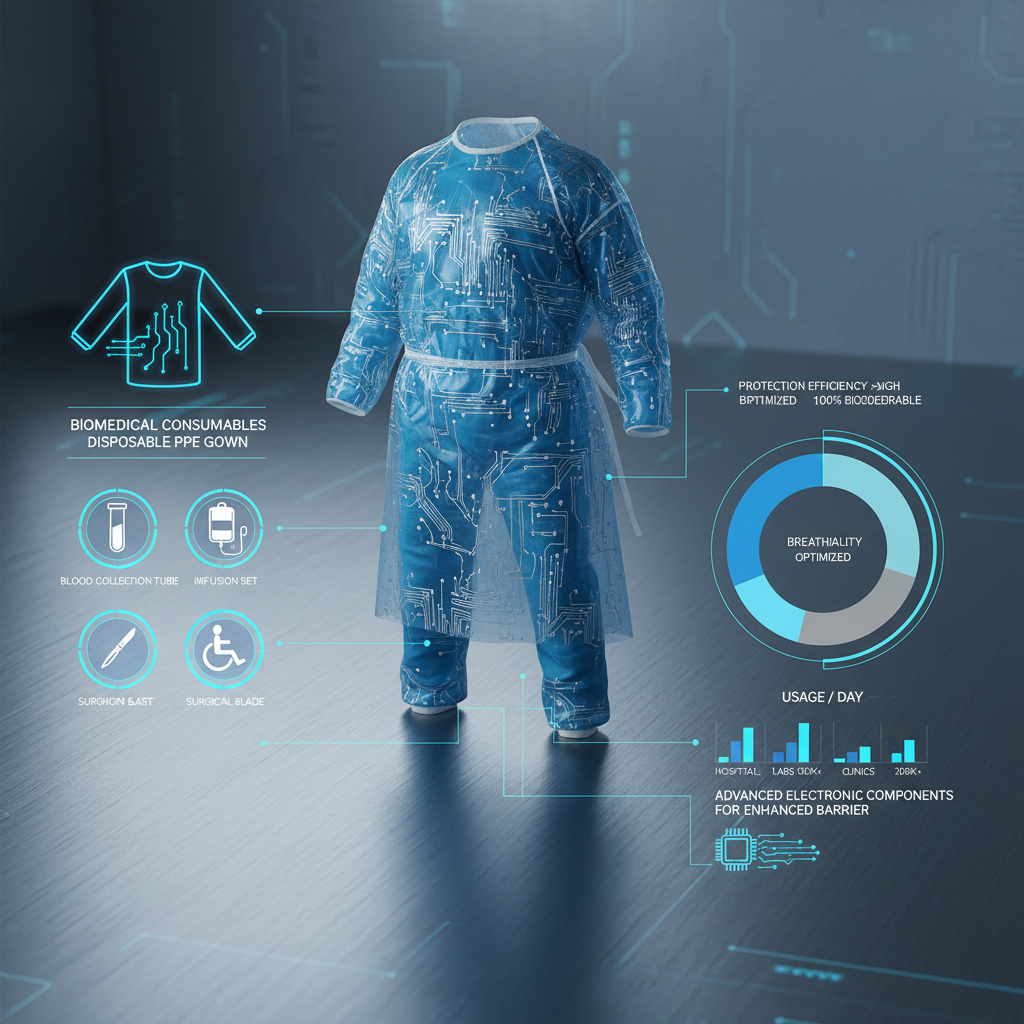
I've learned over the years, it’s not enough for a gown to just look protective. There are several key factors that determine its effectiveness. First, barrier protection. This is measured by resistance to penetration by fluids and particulate matter. Different levels of protection are needed for different applications – a surgical gown needs to be more impermeable than a general examination gown.
Second, breathability. You need something that allows air to circulate, otherwise, people overheat and become uncomfortable. This impacts compliance – if a gown is uncomfortable, people won't wear it properly. Third, durability. A gown needs to hold up during use without tearing or degrading. Finally, fluid resistance is critical; you need to ensure the gown can withstand splashes and sprays without compromising protection.
Gown Performance Characteristics - ppe gown disposable
Applications Across Industries
The applications for ppe gown disposable are incredibly diverse. Obviously, healthcare is the biggest user – hospitals, clinics, surgical centers, dental offices. But it extends far beyond that. Laboratories, pharmaceutical manufacturing facilities, food processing plants, even veterinary clinics all rely on disposable gowns.
In post-disaster relief operations, they're essential for protecting responders from hazardous materials and contaminated environments. In remote industrial zones, where access to laundry facilities is limited, disposable gowns provide a convenient and hygienic solution. Even specialized fields like forensic science and crime scene investigation utilize them regularly.
Benefits and Long-Term Value
The benefits are clear: reduced risk of infection, improved worker safety, and enhanced hygiene. But it’s more than that. A consistent supply of reliable ppe gown disposable builds trust with staff and patients, it enhances a facility’s reputation, and it can ultimately reduce healthcare costs by preventing infections. The cost savings from preventing just one healthcare-associated infection can easily offset the cost of investing in quality gowns.
Beyond the tangible benefits, there’s a human element. Providing adequate protection demonstrates a commitment to the well-being of workers, which boosts morale and fosters a culture of safety. And, increasingly, there’s a focus on sustainability – sourcing gowns from responsible manufacturers and exploring biodegradable or recyclable materials.
Future Trends and Innovations
We’re seeing a lot of innovation in materials science. Biodegradable gowns made from plant-based materials are gaining traction, although they still need to meet stringent performance standards. There's also research into gowns with enhanced antimicrobial properties, offering an extra layer of protection.
Digital technologies are also playing a role, with the development of smart gowns equipped with sensors to monitor vital signs or track contamination levels. And, of course, automation is streamlining the manufacturing process, increasing efficiency and reducing costs. Expect to see more customized gown designs tailored to specific applications and user needs.
Supply chain resilience is also a major focus. Companies are investing in diversifying their sourcing and building buffer stocks to mitigate the risk of future disruptions.
Summary of ppe gown disposable Challenges and Solutions
| Challenge |
Impact on ppe gown disposable |
Potential Solution |
Implementation Cost (1-10) |
| Supply Chain Vulnerabilities |
Shortages during crises, price fluctuations |
Diversified sourcing, regional manufacturing hubs |
7 |
| Material Sustainability |
Environmental impact of disposable materials |
Biodegradable or recyclable gown materials |
6 |
| Performance Standards |
Ensuring adequate barrier protection and comfort |
Rigorous testing and certification processes |
5 |
| Cost Management |
Balancing cost-effectiveness with quality and performance |
Negotiated contracts, bulk purchasing, value engineering |
4 |
| User Comfort and Compliance |
Impact on adherence to safety protocols |
Breathable materials, ergonomic designs, proper sizing |
3 |
| Counterfeit Products |
Compromised protection, safety risks |
Authentication technologies, supplier vetting |
8 |
FAQS
That depends entirely on the task at hand. For general procedures with minimal splash risk, a Level 1 or 2 gown might suffice. However, for surgical procedures or situations with a high risk of fluid exposure, you’ll need a Level 3 or 4 gown. These are tested rigorously to withstand specific amounts of fluid penetration. Don't cut corners here – your safety is worth the investment.
Biodegradable gowns are improving, but it's a nuanced area. While they offer environmental benefits, ensuring they meet the same performance standards as traditional gowns is crucial. You need to verify certifications and testing data to confirm they provide adequate barrier protection. They're a good option where appropriate, but performance can’t be sacrificed for sustainability.
Proper storage is essential to maintain gown integrity. Keep them in a cool, dry, and well-ventilated area away from direct sunlight and extreme temperatures. Avoid storing them near potential sources of contamination. Always check the expiration date before use, as materials can degrade over time. Follow manufacturer's instructions for specific storage recommendations.
Look for gowns that meet standards like ASTM F2100 (standard specification for performance of protective clothing) and EN 13795 (surgical drapes and gowns for medical use). ISO 13485 certification demonstrates a manufacturer's quality management system. These certifications provide assurance that the gowns have been tested and meet specific performance requirements. Also, CE marking is important for products sold in Europe.
Diversify your supply chain. Don’t rely on a single vendor. Establish relationships with multiple suppliers and explore regional sourcing options. Maintain a buffer stock based on your anticipated needs, factoring in potential disruptions. Consider long-term contracts with suppliers to secure pricing and availability. Proactive planning is key to avoiding shortages when they matter most.
While both provide protection, isolation gowns are specifically designed for patients with known or suspected infections. They are typically more fluid-resistant and cover more of the body than standard gowns. The choice depends on the level of risk and the specific clinical scenario. Always follow your facility’s infection control protocols.
Conclusion
In conclusion, ppe gown disposable is more than just a commodity; it's a critical component of safety and hygiene across a multitude of industries. From healthcare to disaster relief, these gowns play a vital role in protecting workers, patients, and the public. Understanding the key performance characteristics, staying abreast of evolving standards, and proactively addressing supply chain challenges are all essential for ensuring reliable access to this vital resource.
Looking ahead, innovation in materials, manufacturing, and digital technologies will continue to drive improvements in gown performance and sustainability. Investing in research and development, fostering collaboration between manufacturers and end-users, and prioritizing worker safety will be key to shaping the future of ppe gown disposable. For more information and to browse our selection of high-quality gowns, visit our website: www.orientmedicare.com.