Bulk disposable gowns are essential protective garments, playing a critical role in infection control across diverse sectors globally. Their widespread adoption is driven by escalating healthcare demands, stringent safety regulations, and the need for efficient contamination prevention. From hospitals and laboratories to industrial settings and disaster relief efforts, these gowns serve as a frontline defense against hazardous materials and infectious agents. Understanding the intricacies of bulk disposable gowns – their materials, standards, applications, and future trends – is vital for ensuring effective safety protocols and responsible sourcing.
The global market for disposable gowns is experiencing substantial growth, fuelled by factors like increasing healthcare expenditure, a growing aging population, and heightened awareness regarding hygiene and safety. The COVID-19 pandemic significantly amplified demand, revealing vulnerabilities in supply chains and emphasizing the importance of readily available, high-quality personal protective equipment (PPE). Organizations now prioritize procuring bulk disposable gowns to maintain consistent stock levels and prepare for potential outbreaks or emergencies.
Choosing the right bulk disposable gowns involves considering factors such as fluid resistance, breathability, comfort, and cost-effectiveness. Proper selection and implementation are paramount for protecting healthcare workers, patients, and personnel in various industries, ultimately contributing to a safer and more secure environment. For reliable sourcing and a comprehensive range of options, explore suppliers like bulk disposable gowns.
Introduction: The Significance of Bulk Disposable Gowns
The necessity for robust infection control measures has never been more apparent than in recent years, driving a significant increase in demand for bulk disposable gowns. These gowns serve as a crucial barrier against the transmission of pathogens in healthcare facilities, laboratories, pharmaceutical manufacturing, and numerous other settings. Effective bulk procurement strategies are therefore vital for organizations seeking to ensure adequate protection for their staff and patients.
The increasing emphasis on hygiene and safety standards, coupled with regulatory requirements from bodies like the World Health Organization (WHO) and the ISO, reinforces the importance of consistently using high-quality disposable gowns. Implementing a dependable supply of bulk disposable gowns not only safeguards personnel but also contributes to minimizing operational disruptions and maintaining public trust.
Defining Bulk Disposable Gowns
Bulk disposable gowns are protective garments designed for single-use, typically made from non-woven materials like polypropylene or polyethylene. They are commonly used to isolate wearers from contamination, preventing the spread of infectious agents or hazardous substances. The term "bulk" refers to the large quantities in which these gowns are typically purchased, making them ideal for facilities with consistent and high-volume needs.
Unlike reusable gowns, disposable gowns offer the convenience of eliminating laundry and sterilization processes, reducing the risk of cross-contamination and associated costs. Their lightweight and comfortable design contributes to user compliance, maximizing the effectiveness of protective measures.
In modern industry and humanitarian contexts, bulk disposable gowns are an indispensable component of comprehensive safety protocols. They’re vital in settings ranging from surgical procedures and patient care to chemical handling and disaster response, ensuring a safe working environment and minimizing potential health risks.
Core Components and Factors
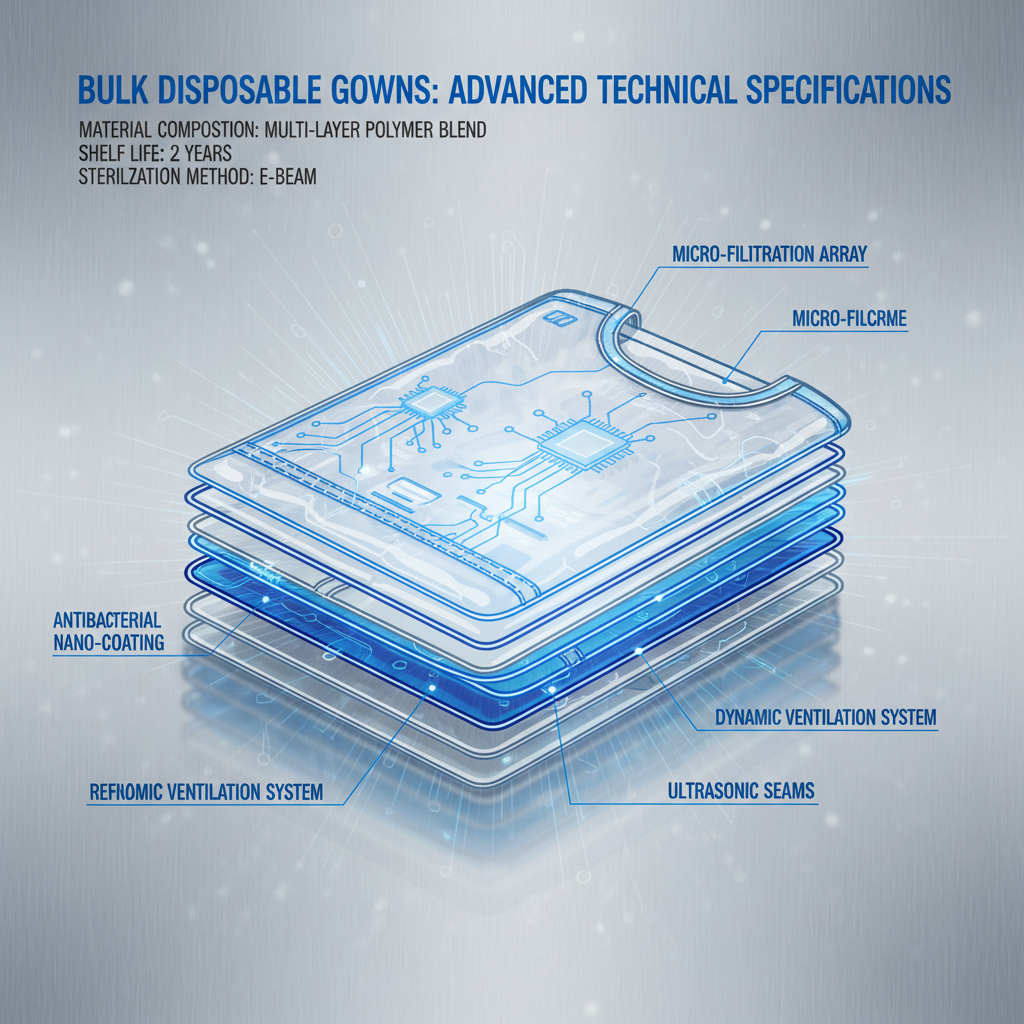
When considering bulk disposable gowns, several core components and factors directly impact their performance and suitability for specific applications. A primary consideration is material composition. Polypropylene is widely used due to its cost-effectiveness and fluid resistance, while polyethylene offers enhanced barrier protection.
Fluid resistance is another critical factor, categorized by AAMI (Association for the Advancement of Medical Instrumentation) levels. Higher AAMI levels indicate greater protection against fluid penetration, vital in surgical or highly contaminated environments. Breathability balances protection with comfort, preventing overheating and promoting user compliance.
Durability ensures the gown maintains its integrity throughout use, preventing tears or punctures that compromise protection. Closure systems—such as ties or Velcro—impact ease of donning and doffing, as well as the secure fit. Finally, sizing is essential for ensuring adequate coverage and freedom of movement for all users.
Global Applications and Use Cases
Bulk disposable gowns find application in a vast array of settings worldwide. In healthcare, they are routinely used in operating rooms, intensive care units, isolation wards, and during patient transport. Laboratories employ them for handling biohazardous materials and conducting research.
Industrial sectors, such as pharmaceutical manufacturing, food processing, and chemical handling, leverage these gowns to protect workers from contamination and ensure product integrity. In post-disaster relief operations, bulk disposable gowns are crucial for providing immediate protection to first responders and affected populations.
Organizations like the Red Cross and Doctors Without Borders rely heavily on a consistent supply of these gowns in emergency situations. Furthermore, in remote industrial zones with limited laundry facilities, or in facilities managing highly infectious diseases, bulk disposable gowns are indispensable for maintaining safety and hygiene standards.
Comparison of Bulk Disposable Gown Features
Advantages and Long-Term Value
The advantages of utilizing bulk disposable gowns extend beyond immediate protection. Cost efficiency is a primary benefit; while the initial investment might seem substantial, eliminating laundry and sterilization expenses contributes to significant long-term savings. Furthermore, the readily available supply mitigates disruptions caused by supply chain issues or unexpected surges in demand.
From a sustainability standpoint, advancements in biodegradable materials are offering more environmentally friendly options. The inherent safety of disposable gowns minimizes the risk of cross-contamination, protecting both healthcare workers and patients. These gowns foster a sense of trust and confidence in the healthcare system and provide peace of mind to personnel working in hazardous environments.
Future Trends and Innovations
The future of bulk disposable gowns is poised for innovation, driven by advancements in materials science and a growing focus on sustainability. Researchers are exploring biodegradable polymers derived from renewable resources, offering a more eco-friendly alternative to traditional plastics. Digital integration, such as RFID tagging, may enable enhanced inventory management and tracking of gown usage.
Automation in manufacturing processes is streamlining production and lowering costs. Furthermore, ongoing research focuses on developing gowns with enhanced barrier properties and improved comfort, addressing the evolving needs of healthcare professionals and industrial workers. These innovations will shape the next generation of protective garments, ensuring greater safety and sustainability.
Challenges and Solutions
Despite the numerous benefits, challenges related to bulk disposable gown procurement and usage exist. Supply chain disruptions, particularly during global health crises, can lead to shortages and price increases. Ensuring proper disposal and minimizing environmental impact are also critical concerns.
To mitigate these challenges, organizations can diversify their sourcing strategies, establish long-term contracts with reputable suppliers, and invest in inventory management systems. Exploring biodegradable materials and implementing responsible disposal practices can address environmental concerns.
Collaborative efforts between manufacturers, healthcare providers, and regulatory bodies are essential for developing sustainable solutions and ensuring a reliable supply of high-quality bulk disposable gowns for all.
Key Factors in Evaluating Bulk Disposable Gown Suppliers
| Supplier Reliability |
Product Quality (AAMI Level) |
Pricing & Lead Times |
Sustainability Practices |
| Track Record & Financial Stability |
AAMI Level 3-4 |
Competitive Pricing, 2-4 Week Lead Time |
Use of Recycled Materials |
| Customer Reviews & Certifications |
AAMI Level 4-5 |
Bulk Discounts Available |
Biodegradable Options Available |
| Supply Chain Transparency |
Compliance with ISO Standards |
Flexible Order Quantities |
Reduced Carbon Footprint |
| Emergency Stock Availability |
Consistent Product Performance |
Negotiated Payment Terms |
Responsible Waste Management |
| Dedicated Account Management |
Third-Party Testing Reports |
Fast Shipping Options |
Ethical Sourcing Practices |
| Strong Regulatory Compliance |
Adherence to Safety Standards |
Volume Discounts for Long-Term Contracts |
Commitment to Environmental Responsibility |
FAQS
The appropriate AAMI level depends on your specific risk assessment. AAMI levels range from 1 to 6, with higher numbers indicating greater fluid barrier protection. Level 1-2 is suitable for general use, while Level 3-4 is recommended for procedures with moderate fluid exposure. Level 5-6 offers the highest level of protection for high-risk situations, such as major surgeries. Consider the potential exposure levels in your environment when making your selection.
Proper storage is crucial for maintaining the effectiveness of disposable gowns. Store gowns in a cool, dry, well-ventilated area, away from direct sunlight, heat sources, and moisture. Keep them in their original packaging until ready for use. Avoid storing them near chemicals or other potentially contaminating substances. Following these guidelines ensures the gowns remain sterile and functional when needed.
Yes, biodegradable options are becoming increasingly available. These gowns are typically made from materials like PLA (polylactic acid) or other bio-based polymers. While they may be more expensive than traditional gowns, they offer a more sustainable alternative, reducing environmental impact. When selecting biodegradable gowns, ensure they meet relevant performance and safety standards.
Lead times can vary depending on the supplier, order quantity, and current demand. Generally, you can expect a lead time of 2-6 weeks for standard orders. However, during periods of high demand or supply chain disruptions, lead times may be longer. Establishing a relationship with a reliable supplier and planning ahead can help mitigate potential delays.
Gowns typically come in a range of sizes (Small, Medium, Large, Extra Large). It’s best to consult the supplier's sizing chart and take measurements of your staff to ensure a proper fit. A well-fitting gown provides adequate coverage and allows for a full range of motion. Consider ordering a variety of sizes to accommodate all personnel.
Used disposable gowns should be treated as biohazardous waste, especially if they have been exposed to infectious materials. Dispose of them in designated biohazard containers according to local regulations and facility protocols. Avoid overloading containers and ensure they are properly sealed. Following proper disposal procedures is crucial for preventing the spread of infection.
Conclusion
Bulk disposable gowns are indispensable for maintaining safety and hygiene across a diverse spectrum of industries, from healthcare and laboratories to industrial manufacturing and disaster relief. Their cost-effectiveness, convenience, and ability to prevent the spread of contamination make them a cornerstone of modern protective measures. By understanding the core components, application nuances, and emerging trends surrounding these garments, organizations can make informed decisions that prioritize the well-being of their personnel and the integrity of their operations.
Investing in a reliable supply of high-quality bulk disposable gowns, coupled with responsible disposal practices and a commitment to sustainable materials, is crucial for preparing for future challenges and ensuring a safer, healthier world. We encourage you to explore our comprehensive range of bulk disposable gowns at www.orientmedicare.com to find the perfect solution for your specific needs.