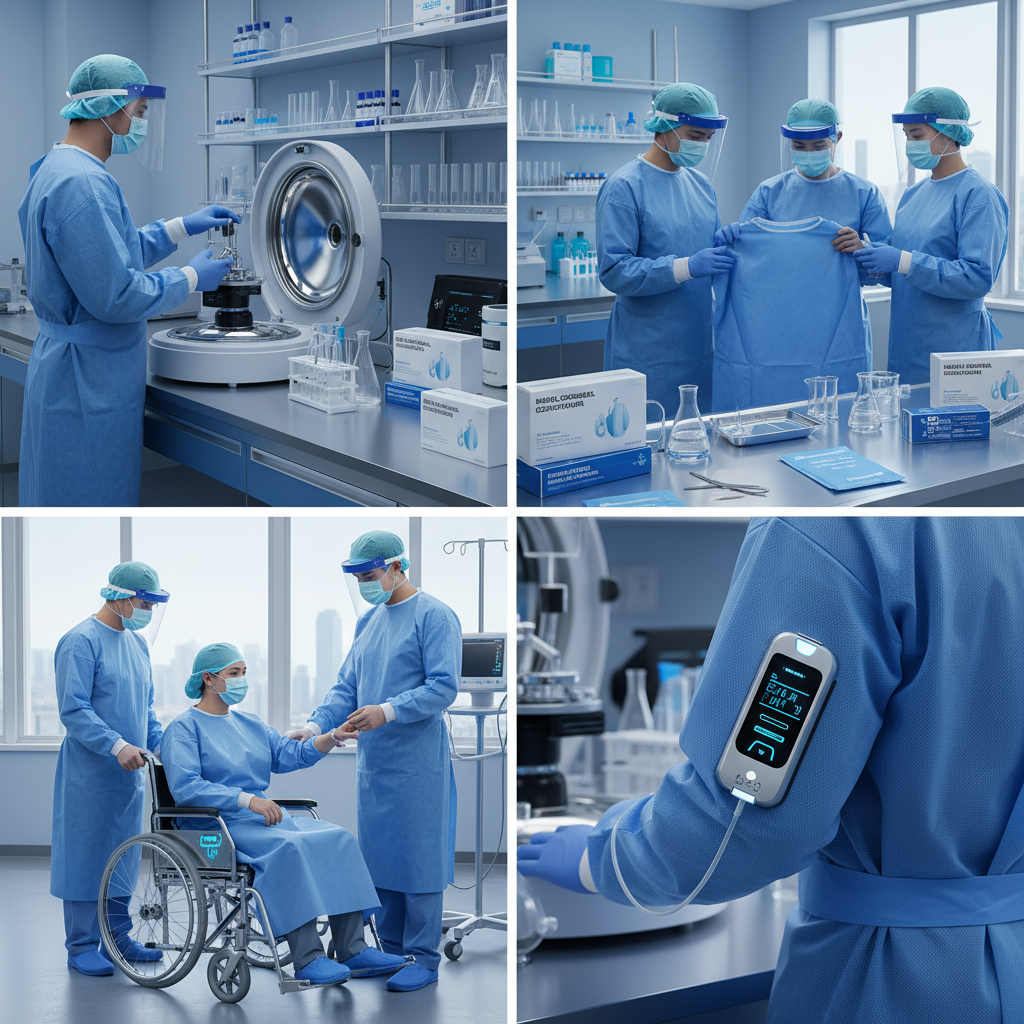
Disposable gowns for sale represent a critical component of modern healthcare, industrial safety, and emergency preparedness. The demand for these protective garments has surged globally, driven by increasing awareness of infection control, stringent safety regulations, and the need for rapid response capabilities in unforeseen events like pandemics or natural disasters. Understanding the nuances of disposable gowns, from their materials and manufacturing to their applications and future innovations, is paramount for organizations seeking to ensure worker safety and public health.
The global market for disposable gowns for sale is a multi-billion dollar industry, projected to continue its growth trajectory. Factors like rising healthcare expenditure, an aging population, and increased focus on hygiene standards are fueling this expansion. However, challenges such as material sourcing, waste management, and maintaining consistent quality standards require careful consideration. A reliable supply chain and an informed purchasing decision are essential for effective protection.
Choosing the right disposable gown isn’t just about cost; it’s about providing a crucial barrier against contamination and ensuring peace of mind. From frontline healthcare workers to industrial technicians and disaster relief personnel, disposable gowns for sale offer a vital layer of defense against hazardous materials and infectious agents.
The Global Significance of Disposable Gowns for Sale
The widespread use of disposable gowns for sale is directly linked to globally recognized standards for hygiene and safety, as advocated by organizations like the World Health Organization (WHO) and the Centers for Disease Control and Prevention (CDC). These guidelines emphasize the importance of personal protective equipment (PPE) to prevent the spread of infections and protect healthcare workers. Data from the UN indicates a significant increase in demand for PPE, including disposable gowns, during health crises, highlighting their crucial role in global health security.
The need for readily available, high-quality disposable gowns for sale is particularly acute in developing countries with limited resources and infrastructure. Providing access to these essential items can significantly reduce healthcare-associated infections and improve patient outcomes. However, logistical challenges, cost constraints, and supply chain disruptions often hinder effective distribution. Addressing these issues requires international collaboration and innovative solutions.
Defining Disposable Gowns for Sale
Disposable gowns for sale are single-use protective garments designed to prevent contamination of both the wearer and the environment. They are typically constructed from non-woven materials, such as polypropylene or polyethylene, offering a lightweight and cost-effective barrier against fluids, particles, and pathogens. These gowns are categorized based on their level of protection, ranging from basic isolation gowns to more robust surgical gowns.
The primary function of disposable gowns for sale is to act as a protective shield in settings where there is a risk of exposure to infectious materials or hazardous substances. This includes hospitals, clinics, laboratories, industrial facilities, and disaster relief zones. They are an essential element of infection control protocols and workplace safety procedures.
Modern disposable gowns are increasingly engineered with features like elastic cuffs, adjustable closures, and reinforced seams to enhance comfort, fit, and durability. The evolution of materials and designs reflects a continuous effort to optimize performance and meet the evolving needs of various industries and applications.
Core Aspects of Disposable Gowns for Sale
Material Composition: The choice of material significantly impacts a gown’s performance. Polypropylene offers good fluid resistance and breathability, while polyethylene provides a higher degree of water resistance. Specialized materials with antimicrobial properties are also available for enhanced protection. When looking at disposable gowns for sale, understanding the material is key.
Fluid Barrier Performance: Gowns are rated based on their ability to resist penetration by fluids. A higher rating indicates greater protection against spills and splashes. Different industries have different fluid barrier requirements. For example, surgical gowns require a higher level of protection than isolation gowns.
Comfort and Breathability: Prolonged wear requires gowns to be comfortable and breathable to prevent overheating and skin irritation. Features like vented designs and soft materials contribute to user comfort.
Practical Applications and Use Cases
Disposable gowns for sale are indispensable in healthcare settings, including hospitals, clinics, and dental offices, protecting medical professionals from exposure to infectious diseases and bodily fluids. They are essential during surgical procedures, patient examinations, and routine care activities.
Beyond healthcare, these gowns find extensive use in industrial settings such as pharmaceutical manufacturing, food processing, and chemical handling, where protecting workers from hazardous substances is paramount. They are also crucial in laboratories for researchers and technicians handling biological or chemical samples.
Performance of Disposable Gowns for Sale Across Different Methods
Advantages and Long-Term Value
Disposable gowns for sale offer significant cost savings compared to reusable gowns, eliminating the need for laundering, sterilization, and repair. The convenience of single-use garments also streamlines workflow and reduces the risk of cross-contamination.
From a sustainability perspective, responsible sourcing and disposal are crucial. Innovations in biodegradable materials and recycling programs can minimize the environmental impact of disposable gowns, aligning with growing demands for eco-friendly practices. Choosing disposable gowns for sale from environmentally responsible suppliers can enhance your organization’s sustainability profile.
Future Trends and Innovations
The future of disposable gowns for sale is likely to be shaped by advancements in materials science and manufacturing technologies. The development of more sustainable and biodegradable materials, such as plant-based polymers, is a key area of focus. These materials could significantly reduce the environmental footprint of disposable gowns.
Smart gowns equipped with sensors to monitor vital signs or detect breaches in the protective barrier are also being explored. These innovative garments could provide real-time feedback on safety and infection control, enhancing protection and improving patient outcomes.
Challenges and Solutions in Disposable Gown Procurement
One of the main challenges in procuring disposable gowns for sale is ensuring consistent quality and reliability, especially during periods of high demand. Supply chain disruptions, counterfeit products, and varying manufacturing standards can pose significant risks.
Establishing strong relationships with reputable suppliers, conducting thorough quality control checks, and implementing robust inventory management systems are essential steps to mitigate these risks. Diversifying supply sources and prioritizing suppliers with certifications and quality assurance programs can further enhance procurement resilience.
Addressing the environmental impact of disposable gowns requires a multi-faceted approach, including promoting the use of biodegradable materials, investing in recycling infrastructure, and implementing responsible disposal practices. Collaboration between manufacturers, healthcare providers, and waste management companies is crucial for creating a circular economy for these essential products.
Summary of Solutions to Disposable Gown Procurement Challenges
| Challenge |
Solution: Supplier Selection |
Solution: Quality Control |
Solution: Environmental Impact |
| Supply Chain Disruptions |
Diversify suppliers; establish long-term contracts. |
Implement rigorous inspection protocols. |
Prioritize biodegradable materials. |
| Counterfeit Products |
Vet suppliers thoroughly; check certifications. |
Verify product authenticity; report suspicious activity. |
Support closed-loop recycling programs. |
| Varying Quality Standards |
Focus on suppliers adhering to ISO standards. |
Conduct regular audits; request test reports. |
Reduce waste through efficient use. |
| High Procurement Costs |
Negotiate bulk discounts; explore group purchasing. |
Balance cost with quality and performance. |
Invest in durable and reusable alternatives. |
| Environmental Concerns |
Choose suppliers with sustainable practices. |
Implement proper disposal procedures. |
Explore compostable options. |
| Inventory Management |
Implement Just-In-Time inventory strategies. |
Use forecasting tools to predict demand. |
Minimize overstocking to reduce waste. |
FAQS
Disposable gowns for sale are categorized by their barrier performance. Level 1 offers basic barrier protection, suitable for routine tasks. Levels 2 and 3 offer increasing levels of protection against fluids and pathogens, ideal for situations with moderate exposure risk. Level 4 provides the highest level of protection, intended for surgical procedures and high-risk exposures. The correct level depends on the specific application and potential hazards.
Disposable gowns for sale should be treated as regulated medical waste, especially if they have been exposed to infectious materials. Proper disposal typically involves placing the gowns in designated biohazard containers and following local regulations for medical waste management. Incineration is a common disposal method for contaminated gowns. Always consult your facility’s waste management guidelines.
The most common materials used in disposable gowns for sale are polypropylene and polyethylene. Polypropylene offers a good balance of fluid resistance, breathability, and cost-effectiveness. Polyethylene provides a higher level of water resistance. Newer materials like Spunbond Meltblown Spunbond (SMS) offer enhanced protection and comfort. The choice of material depends on the intended use.
Yes, there’s growing interest in biodegradable and compostable disposable gowns for sale. These gowns are made from plant-based materials like cornstarch or sugarcane, which decompose more readily than traditional plastics. While these options may be more expensive, they offer a more sustainable solution. Recycling programs for disposable gowns are also emerging, although infrastructure is still limited.
Disposable gowns for sale are typically available in a range of sizes (S, M, L, XL, XXL). It’s important to measure staff members to determine the appropriate size, ensuring a comfortable and secure fit. A gown that is too small can restrict movement, while a gown that is too large may not provide adequate protection. Consider purchasing a mix of sizes to accommodate all staff.
A disposable gown for sale is intended for single-use and should be discarded immediately after use or if it becomes contaminated. Once opened, the gown’s protective barrier can be compromised by environmental factors like humidity and air exposure. It's best practice to only open a gown immediately before use and dispose of it after the procedure is complete.
Conclusion
In conclusion, disposable gowns for sale are a vital component of safety protocols across numerous industries, from healthcare to industrial manufacturing. Their ability to provide a reliable barrier against contamination, combined with their cost-effectiveness and convenience, makes them an indispensable tool for protecting workers and patients alike. Understanding the various aspects of disposable gowns – materials, levels of protection, proper disposal, and emerging innovations – is essential for making informed purchasing decisions and ensuring optimal safety.
Looking ahead, the demand for disposable gowns for sale is expected to continue growing, driven by increasing awareness of infection control and a greater emphasis on worker safety. Investing in sustainable materials, improving supply chain resilience, and embracing innovative technologies will be crucial for addressing the challenges and maximizing the long-term benefits of these essential protective garments. For reliable sourcing of high-quality disposable gowns, visit our website: www.orientmedicare.com