Plastic disposable gowns are essential components of modern healthcare and industrial hygiene, playing a critical role in preventing the spread of infection and maintaining sterile environments. These gowns, typically constructed from polyethylene or polypropylene, provide a barrier against contaminants, protecting both patients and healthcare professionals. Globally, the demand for plastic disposable gowns has surged, driven by increasing awareness of infection control protocols and the need for reliable personal protective equipment (PPE), particularly highlighted during recent global health crises.
The manufacturing and distribution of plastic disposable gowns represent a substantial global industry. According to market research, the global disposable medical gowns market was valued at over USD 2.5 billion in 2023 and is projected to reach USD 4.0 billion by 2030, demonstrating a compound annual growth rate (CAGR) of 6.9%. This growth is fueled by factors such as an aging global population, increasing surgical procedures, and stricter regulations regarding healthcare-associated infections. The reliability and cost-effectiveness of these gowns are paramount in addressing these growing needs.
Understanding the nuances of plastic disposable gowns, from material science to regulatory compliance, is crucial for healthcare providers, procurement specialists, and manufacturers alike. Selecting the appropriate gown for a specific application requires consideration of factors such as fluid resistance, breathability, and comfort. This comprehensive guide aims to provide valuable insights into this vital product, helping stakeholders make informed decisions and ensure optimal protection.
The Significance of Plastic Disposable Gowns
Plastic disposable gowns are far more than just garments; they are a critical line of defense in preventing the transmission of infectious agents. Their importance spans a wide range of healthcare settings, including hospitals, clinics, laboratories, and dental offices. The widespread use of these gowns directly impacts patient safety, reduces healthcare-associated infections (HAIs), and protects healthcare workers from potential exposure to hazardous materials. Proper selection and use of plastic disposable gowns are essential components of effective infection control programs.
Beyond healthcare, plastic disposable gowns find application in various industrial settings, such as food processing, pharmaceuticals, and manufacturing. In these environments, maintaining sterility and preventing contamination are paramount, making disposable gowns a vital tool for ensuring product quality and worker safety. The versatility of these gowns, combined with their affordability, contributes to their widespread adoption across diverse industries.
Defining Plastic Disposable Gowns
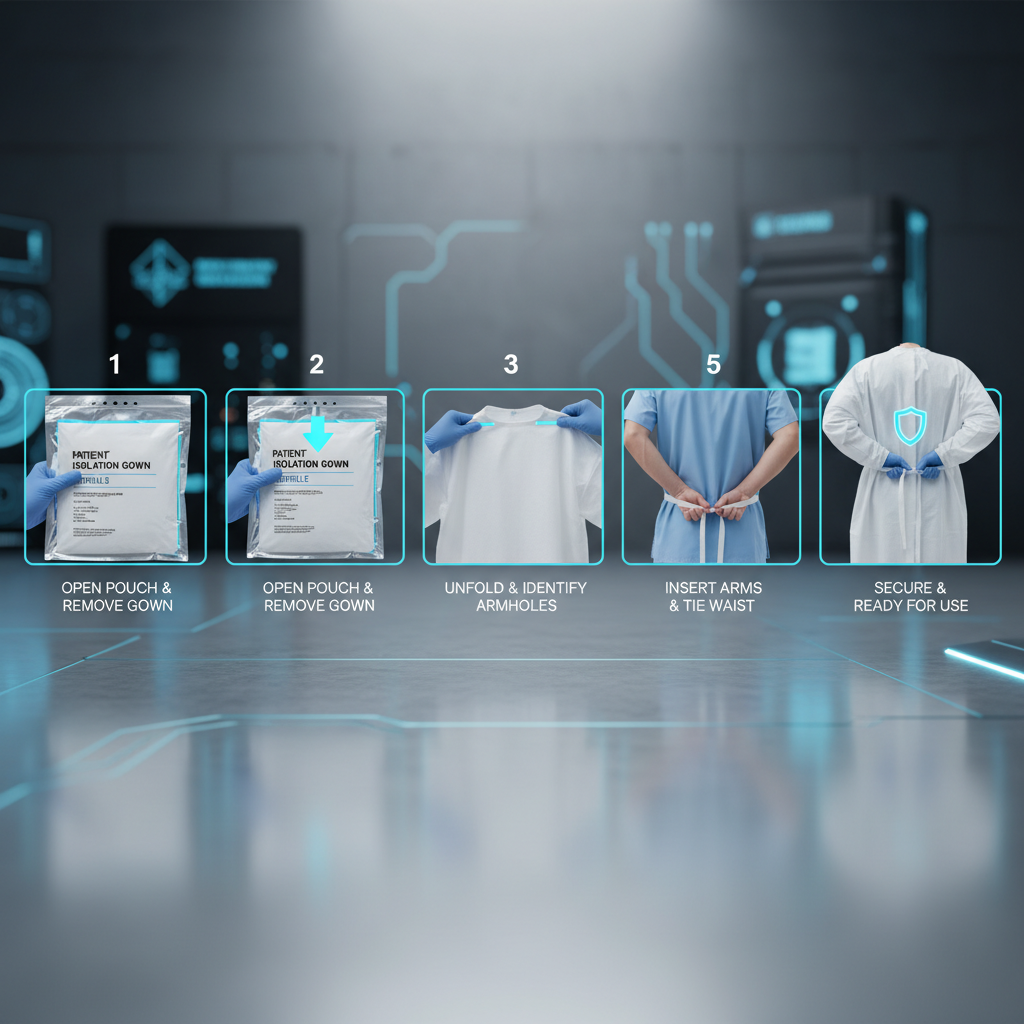
Plastic disposable gowns are protective garments designed to be worn by healthcare professionals and workers in various industries to prevent contamination of sterile environments and protect themselves from exposure to infectious materials or hazardous substances. Typically constructed from non-woven materials like polyethylene (PE) or polypropylene (PP), these gowns are intended for single-use and are discarded after each use to minimize the risk of cross-contamination. They are available in various designs, including tie-back, snap-closure, and gown-and-sleeve combinations, to accommodate different levels of protection and user preferences.
The design of a plastic disposable gown prioritizes both protection and functionality. Features commonly include long sleeves with elastic cuffs, adjustable neck closures, and sufficient length to cover the body adequately. The materials used are chosen for their fluid resistance, breathability, and comfort. These gowns are a direct response to the modern need for readily available, cost-effective, and reliable personal protective equipment.
The emergence of plastic disposable gowns is inextricably linked to advancements in polymer science and the growing understanding of infection control principles. Initially, reusable gowns were commonplace, but the logistical challenges of maintaining sterility and the risk of cross-contamination led to the development of disposable alternatives. Today, plastic disposable gowns are a cornerstone of modern infection prevention practices.
Key Characteristics of Quality Plastic Disposable Gowns
A quality plastic disposable gown is defined by several critical characteristics. Firstly, fluid resistance is paramount, ensuring the gown can effectively repel liquids and prevent penetration of potentially infectious materials. This is typically measured using standardized tests like the AATCC test method 127. Secondly, breathability is essential for wearer comfort, especially during prolonged use. Poor breathability can lead to overheating and discomfort, hindering performance.
Durability is another key factor. A gown should be able to withstand typical movements and handling without tearing or compromising its protective barrier. Material strength and seam integrity are crucial in this regard. Furthermore, proper sizing and a comfortable fit are vital for ensuring the gown provides adequate coverage and doesn't impede the wearer’s ability to perform their tasks effectively. Choosing the correct level of protection for the specific task is also paramount - plastic disposable gowns come in varying levels of protection.
Finally, the manufacturing process and material sourcing contribute significantly to gown quality. Gowns manufactured under stringent quality control standards, using virgin materials, and adhering to relevant regulations (such as those set by the FDA) are more likely to provide reliable protection. The overall quality of a plastic disposable gown impacts the safety and well-being of both patients and healthcare professionals.
Performance Metrics and Standards for Plastic Disposable Gowns
The performance of plastic disposable gowns is rigorously evaluated using standardized tests to ensure they meet specific safety and protection requirements. One crucial metric is fluid resistance, often measured using hydrostatic pressure tests and spray impact tests. These tests assess the gown’s ability to resist penetration by liquids of varying viscosity and volume. Another critical standard relates to barrier integrity, which examines the gown's resistance to microbial penetration.
Gowns are often classified based on their level of protection, conforming to standards like EN 13795 (European standard for protective clothing) and AAMI PB70 (American Association for Medical Instrumentation standard for barrier performance). These standards define criteria for liquid penetration, impact penetration, and breathability. Compliance with these standards assures users that the gowns have been tested and verified to meet specific performance benchmarks.
Comparative Performance of Plastic Disposable Gown Materials
Diverse Applications of Plastic Disposable Gowns
The versatility of plastic disposable gowns extends far beyond traditional hospital settings. In surgical centers, they provide a crucial barrier against contamination during invasive procedures. Dental clinics utilize them to maintain a sterile environment during treatments, protecting both patients and practitioners. Laboratory personnel rely on plastic disposable gowns to prevent exposure to potentially hazardous biological or chemical substances.
Within the food processing industry, gowns are essential for maintaining hygiene and preventing contamination of food products. Pharmaceutical manufacturing facilities also depend on them to ensure the sterility of drugs and other medicinal products. Furthermore, these gowns find application in forensic science, crime scene investigation, and even veterinary medicine.
Advantages of Utilizing Plastic Disposable Gowns
The primary advantage of plastic disposable gowns lies in their ability to significantly reduce the risk of cross-contamination. By eliminating the need for laundering and sterilization, they minimize the potential for spreading infectious agents. This is particularly crucial in environments where strict infection control protocols are paramount. Furthermore, disposable gowns offer a cost-effective solution compared to reusable alternatives, as they eliminate the expenses associated with laundry services and gown maintenance.
Beyond cost and hygiene, plastic disposable gowns offer convenience and ease of use. They are lightweight, readily available, and require minimal training to use correctly. Their single-use nature ensures a consistent level of protection, as the gown is always in pristine condition. This contributes to a safer and more efficient working environment for healthcare professionals and industrial workers.
The use of disposable gowns also promotes a culture of safety and awareness. By providing a visible barrier against contamination, they reinforce the importance of infection control practices and encourage adherence to safety guidelines. This heightened awareness can lead to improved outcomes and a reduction in healthcare-associated infections.
The Future of Plastic Disposable Gowns: Innovations and Sustainability
The future of plastic disposable gowns is focused on enhancing performance, improving sustainability, and addressing emerging challenges in infection control. Ongoing research and development efforts are exploring new materials, such as biodegradable polymers and plant-based alternatives, to reduce the environmental impact of disposable gowns. Innovative designs are also being developed to improve comfort, breathability, and fluid resistance.
Another key trend is the integration of antimicrobial technologies into gown materials, providing an additional layer of protection against bacterial growth and infection. Smart gowns equipped with sensors to monitor contamination levels and provide real-time feedback are also under development. Furthermore, advancements in manufacturing processes are leading to more efficient production methods and reduced waste.
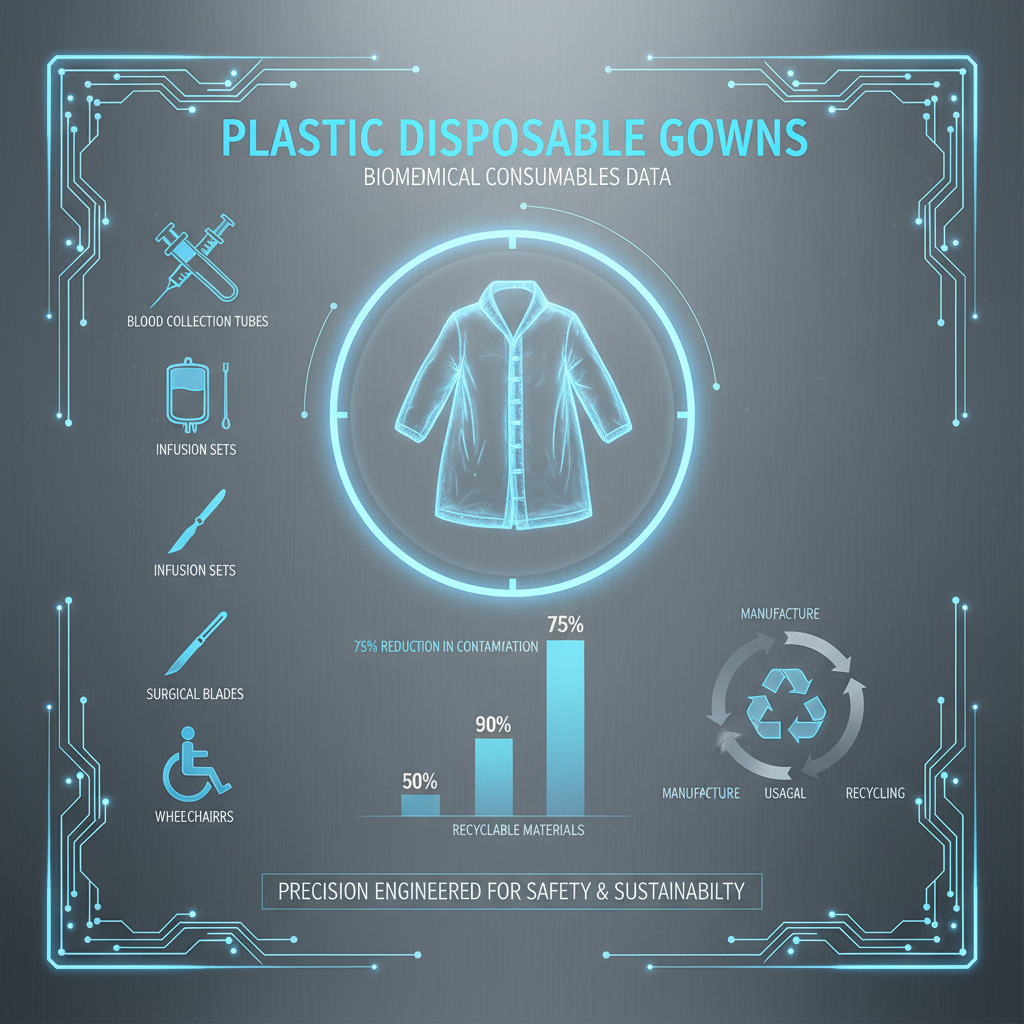
The adoption of circular economy principles, such as closed-loop recycling systems for plastic disposable gowns, is gaining momentum. These initiatives aim to minimize waste and maximize resource utilization, contributing to a more sustainable healthcare system. The evolution of plastic disposable gowns is driven by a commitment to both safety and environmental responsibility.
FAQS
Our plastic disposable gowns are available in various levels of fluid barrier protection, ranging from basic splash protection to high-level resistance against penetration by a wide range of fluids. We adhere to AAMI PB70 standards, and each gown is clearly labeled with its protection level. We offer gowns tested to withstand pressures exceeding 100 mmHg, ensuring reliable protection in critical situations.
Yes, our gowns are designed with breathability in mind. We utilize materials and construction techniques that allow for air circulation, minimizing overheating and discomfort during prolonged use. While offering fluid protection, our gowns prioritize wearer comfort, ensuring healthcare professionals can focus on their tasks without distraction.
We offer a comprehensive range of sizes to accommodate diverse body types. Our gowns are available in Small, Medium, Large, Extra-Large, and 2XL. We also provide gowns with adjustable closures, such as tie-backs or snap closures, to ensure a secure and comfortable fit for each wearer. Detailed sizing charts are available on our website.
We are committed to sustainability and are actively exploring eco-friendly alternatives. Currently, we offer gowns made from recyclable polyethylene (PE) and polypropylene (PP). We are also investing in research and development of biodegradable materials to further reduce the environmental impact of our products. We encourage responsible disposal practices.
Used plastic disposable gowns should be disposed of in accordance with local regulations for biomedical waste. Typically, this involves placing them in designated biohazard containers for proper handling and disposal. It’s essential to follow your facility's infection control protocols to ensure safe and responsible waste management.
Yes, we offer custom branding and labeling options to meet the specific needs of our clients. We can print your logo, facility name, or other custom information directly onto the gowns, enhancing brand visibility and promoting a professional image. Minimum order quantities apply for custom branding requests. Contact us for a quote.
Conclusion
Plastic disposable gowns are indispensable tools in modern healthcare and industrial settings, offering critical protection against contamination and infection. Their affordability, convenience, and consistent reliability make them a cornerstone of effective infection control programs. As technology and material science continue to advance, we can anticipate even more innovative and sustainable solutions in the future, further enhancing the safety and efficiency of these essential garments.
Looking ahead, a continued focus on sustainability, advanced materials, and improved designs will be crucial. Embracing circular economy principles and exploring biodegradable alternatives are essential steps towards minimizing the environmental impact of plastic disposable gowns. For reliable, high-quality plastic disposable gowns, visit our website today and explore our comprehensive selection.