A Field Note on the New Generation Electric Wheelchair for Outdoor Life
If you’ve been watching mobility tech, you’ll know the outdoors is finally getting its due. The Electric Wheelchair For Outdoors from ORIENTMED (Shijiazhuang, Hebei, China) caught my eye because it’s refreshingly pragmatic: simple structure, strong power, and no fuss.
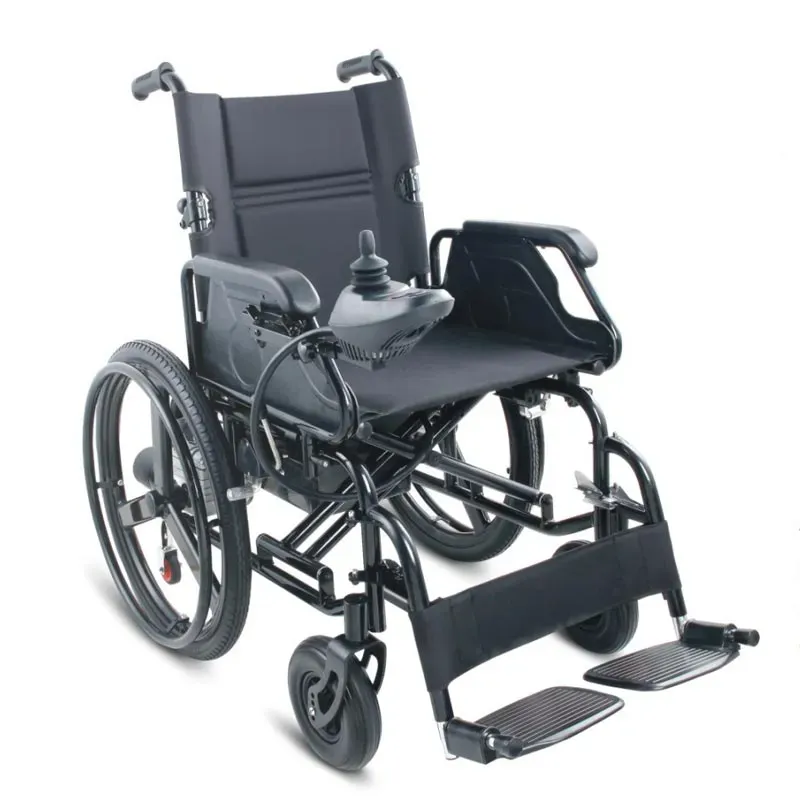
Why outdoors, why now?
Two converging trends: lighter frames with smarter controllers, and battery systems that behave better in real-world terrain. To be honest, a lot of “all‑terrain” chairs used to struggle with hills and noise. This model leans on a PG VIS controller and dual 200 W motors that stay under ≈60 dB. Many customers say that matters more than they expected—nobody wants a lawnmower soundtrack on a quiet path.
Key specifications (real-world oriented)
| Controller | PG VIS drive-by-joystick, proportional control |
| Motor output | 200 W × 2 (high-torque), hand/electric switching |
| Noise | < 60 dB in standard test room (≈1 m distance) |
| Speed | Up to 6 km/h, 5 selectable gears |
| Braking | Electromagnetic, auto‑hold on slopes (half‑slope parking) |
| Turning radius | ≈ 90–100 cm (real-world may vary) |
| Gradeability | Up to ≈10° with 75 kg load, paved incline |
| Ergonomics | Flip-back armrests; footrests rotate 90° or detach |
| Use case | Leg disabilities, older adults with limited mobility |
| Origin | Room 1212, Gelan Business Center, 256 Xisanzhuang St., Xinhua District, Shijiazhuang, Hebei, China |
Applications and advantages
- Parks, campuses, neighborhood errands; surprisingly capable on brick or compact gravel.
- Quiet drivetrain for clinics and libraries.
- Flip-back armrests slide under cafe tables; I’ve seen this save a lunch date.
- Electromagnetic brake reduces rollback anxiety on ramps.
Materials, methods, and testing
Typical build: powder‑coated steel frame, PU tires, sealed gear motors, and lithium battery options that comply with IEC 62133 and UN 38.3 (shipping). Factory protocols reference ISO 7176 series—static stability, dynamic stability, braking, and energy consumption. Internal endurance runs target ≈10,000 start/stop cycles; service life is commonly 3–5 years with routine maintenance (bearings, tires, batteries). Real‑world use may vary with terrain and payload.
Vendor snapshot (what you actually compare)
| Vendor/Model | Controller | Motors | Certs | Lead time | After‑sales |
|---|---|---|---|---|---|
| ORIENTMED Outdoor | PG VIS | 200 W × 2 | CE, ISO 13485 (facility) | ≈15–30 days | Parts + remote support |
| Vendor X “TrailRide” | Curtis alt. | 180 W × 2 | CE | ≈25–40 days | Dealer network |
| Vendor Y “CityRange” | PG basic | 250 W × 2 | CE, RoHS | ≈20–30 days | Email only |
Customization
Seat width and cushion density, battery capacities (consult UN 38.3 for air freight), joystick side swap, and tires for wet climates. For clinics, add QR asset tags and a maintenance log—small thing, big win.
Field notes and feedback
A community center in Tianjin reported smoother curb ramps after switching to the Electric Wheelchair For Outdoors, mainly due to the braking hold. One retiree told me, “It just feels calmer on the hill to my grocer.” Not a lab metric, but it matters.
Compliance, data, and safety
- Standards: ISO 7176 series (stability, braking, energy), IEC 62133 and UN 38.3 for batteries, CE marking; FDA registration may apply for US markets.
- Sample test note: on 8° incline, 75 kg load, maintained ascent at gear 3; stopping distance ≈0.6 m on dry asphalt. Your terrain will change the story.
References
- ISO 7176 Wheelchairs — Series (stability, braking, performance).
- IEC 62133-2: Safety requirements for portable sealed secondary lithium cells.
- UN Manual of Tests and Criteria, Part III, Sub-section 38.3 (UN 38.3).
- European Commission: CE marking for medical devices (MDR 2017/745).
- WHO: Priority Assistive Products List and guidance on wheelchair provision.
Oct . 09, 2025 16:22