To be honest, these days everyone's talking about prefabricated modules. It's all the rage. Contractors are scrambling to get in on it, manufacturers are churning out designs… Have you noticed? But honestly, a lot of them are just slapping together fancy boxes and calling it innovation. It’s not always as simple as it looks. The devil's in the details, you know? And a lot of designers haven’t spent a day on a construction site, let me tell you.
I spend most of my year knee-deep in dust and concrete, and I've seen enough "innovations" fall apart to be skeptical. It's about more than just CAD drawings, it's about how it feels in your hands. Like, with the composite panels we’ve been using – they're supposed to be lightweight, right? They are. But the smell when you cut them… it’s something else. And they splinter like crazy if you don’t use the right blade. It seems small, but it adds up when you’re trying to keep a schedule.
What’s really getting attention is the push for sustainability, naturally. Everyone wants to be “green.” That’s good, I guess, but it also means a lot of new materials are coming onto the market. Recycled plastics, bamboo composites, even mycelium bricks. Mycelium! Strangely, some of that stuff holds up surprisingly well, but getting the consistency right is a nightmare. It's not like steel, where you know exactly what you're getting.
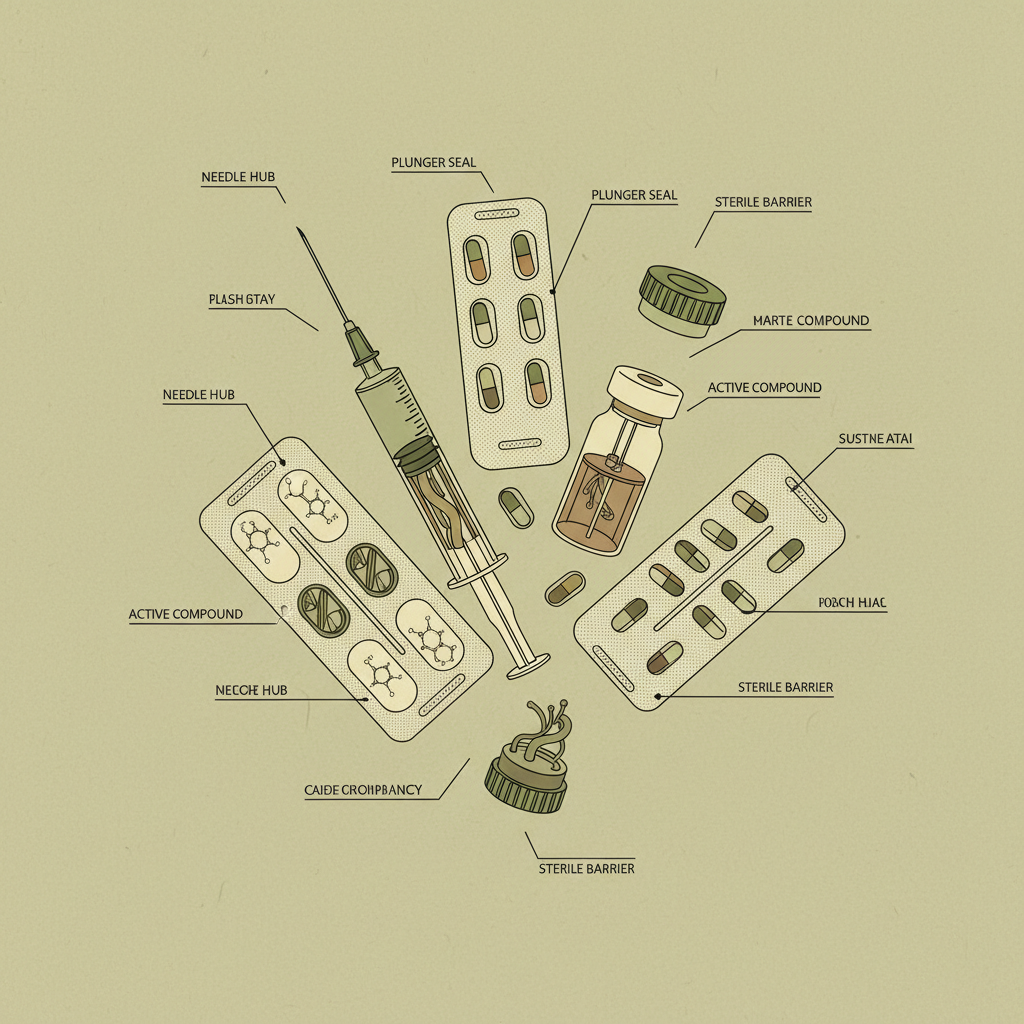
The Current Landscape of Medical Products for Sale
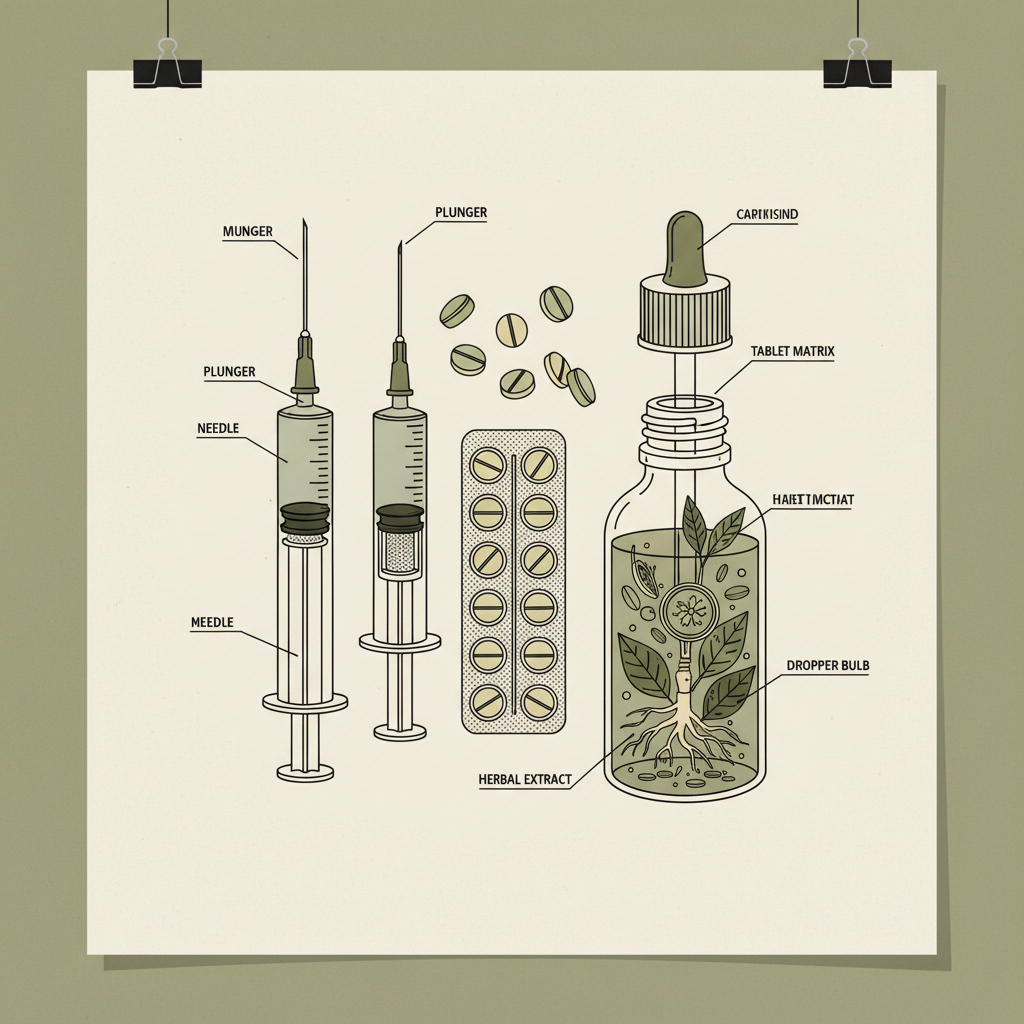
The medical product market is booming, no question about it. We’re seeing a huge demand, especially for things like portable diagnostic equipment and remote monitoring systems. It's not just hospitals buying either; urgent care centers, clinics, even individuals are starting to invest. The pandemic really accelerated that trend, made people realize how fragile things can be.
And it’s not just about high-tech gizmos. Simple things like durable, easy-to-clean surfaces are in high demand too. Hospitals are constantly battling infections, so anything that reduces the spread is valuable. The focus is shifting towards preventative care, and that means needing more tools for monitoring and early detection. I saw a prototype for a smart bandage last week… pretty cool stuff.
FAQS
Finding reliable suppliers who can consistently deliver materials that meet stringent biocompatibility and sterilization requirements is tough. There’s a lot of counterfeit stuff out there. Plus, lead times can be long, and prices fluctuate wildly. It really takes digging to find partners you can trust and who understand the regulatory landscape.
Crucially important. It's the process of identifying potential failure points in the design and figuring out how to mitigate them. In medical devices, failure isn’t just an inconvenience – it can be life-threatening. You need to systematically analyze every component and every potential failure mode to ensure patient safety. Don’t skip this step!
Don’t rely solely on the manufacturer's instructions. You need to independently validate the process, using biological indicators to confirm that sterilization is actually effective. And you need to document everything meticulously. Regulatory bodies are going to want to see proof.
It dictates everything, frankly. You need to choose materials that are compliant with the relevant regulations. That means ensuring they have the necessary certifications and that they meet specific biocompatibility requirements. Failure to comply can delay or even prevent market access. It’s a minefield, honestly.
That they're automatically better. Just because something is “bio-based” doesn’t mean it’s biocompatible, sterilizable, or durable enough for medical use. You still need to do thorough testing and validation. It's about performance, not just marketing buzzwords.
It’s a constant trade-off. You have to prioritize safety and performance above all else, but you also need to be mindful of costs. Value engineering is key – finding ways to optimize the design and manufacturing process without compromising quality. Sometimes that means using a slightly more expensive material that will last longer and reduce the risk of failure.
Conclusion
Ultimately, medical product development isn't just about fancy technology or innovative materials. It’s about understanding the needs of the people who will actually be using these devices – doctors, nurses, patients. It’s about designing products that are safe, reliable, and easy to use, even under pressure. It's a messy, complicated process, but when it's done right, it can make a real difference in people's lives.
And, let's be real, all the simulations, all the testing, all the regulations… they all come down to this: whether the worker on the factory floor, tightening that last screw, feels confident that the product is going to perform as it should. That's when you know you've got something good. Visit our website at orientmedicare.com for a wide range of medical products for sale.
Related Posts
-
Advancements in Prefabrication for Medical Products Manufacturer and Construction
-
Essential Guide to Plastic Disposable Gowns for Healthcare and Industrial Use
-

Navigating Trends and Pitfalls in the Medical Products China Landscape
-
The Critical Role of Disposable PPE Gowns in Healthcare and Industrial Safety