0%

Table of Contents

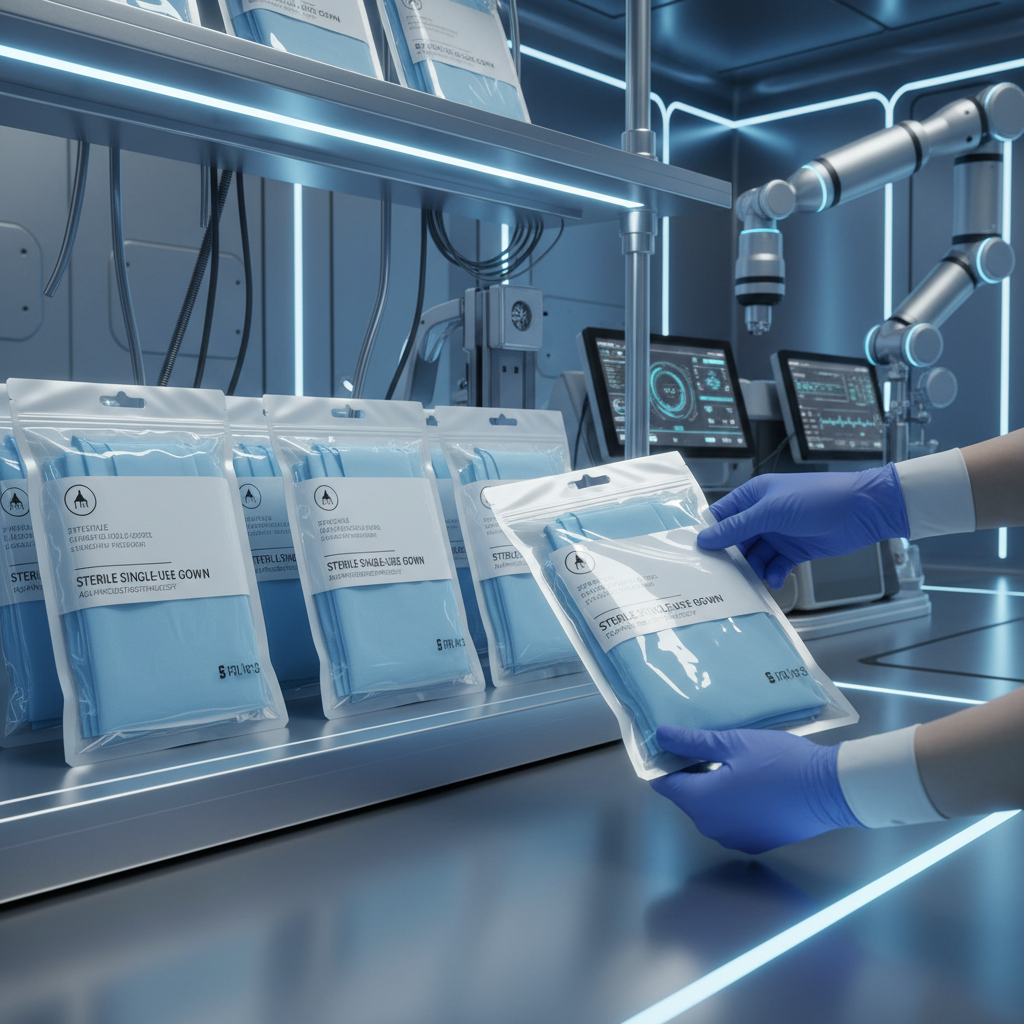
Look, medical products wholesale… it’s changed a lot lately. Used to be, you just needed a warehouse and a catalog. Now? It's all about logistics, regulations, and frankly, keeping up with what hospitals actually need, not what we think they need. It’s gotten… complicated. We're seeing a huge push for direct-to-hospital delivery, faster turnaround times, and a real focus on traceability.

I tell you, though, a lot of these newer suppliers, they underestimate the sheer volume. They think they can scale up overnight. They can’t. You need relationships, you need established routes, and you need a team that understands the paperwork. It's not just about finding the cheapest price, it’s about reliability.

And the whole digital transformation thing? It’s happening, slowly. Everyone's talking about AI and blockchain, but honestly, most hospitals still want a phone call and a familiar face. They want to know who they're dealing with. Anyway, I think the biggest thing is the demand for specialized equipment - not just your standard bandages and syringes, but things for specific procedures. That's where the real money is.
Navigating the Complexities of Modern Medical Products Wholesale

The Shifting Landscape of medical products wholesale
Navigating the Complexities of Modern Medical Products Wholesale

To be honest, it's not like it used to be. It used to be pretty straightforward. Now, you've got these group purchasing organizations, and they’re flexing their muscles. They want volume discounts, guaranteed supply, and… well, let's just say they’re not always easy to deal with. I encountered a particularly tough negotiator at a hospital in Boston last year, wouldn't budge on price, demanded everything be sterile-packed individually… it was a nightmare.

Have you noticed how much emphasis there is on sustainable sourcing? It's not just a buzzword anymore. Hospitals are actively looking for suppliers with eco-friendly practices. They want to know where the materials come from, how they’re processed, and what happens to the waste. It’s adding another layer of complexity, but it’s a good thing, really.

Pitfalls in Product Design & Sourcing

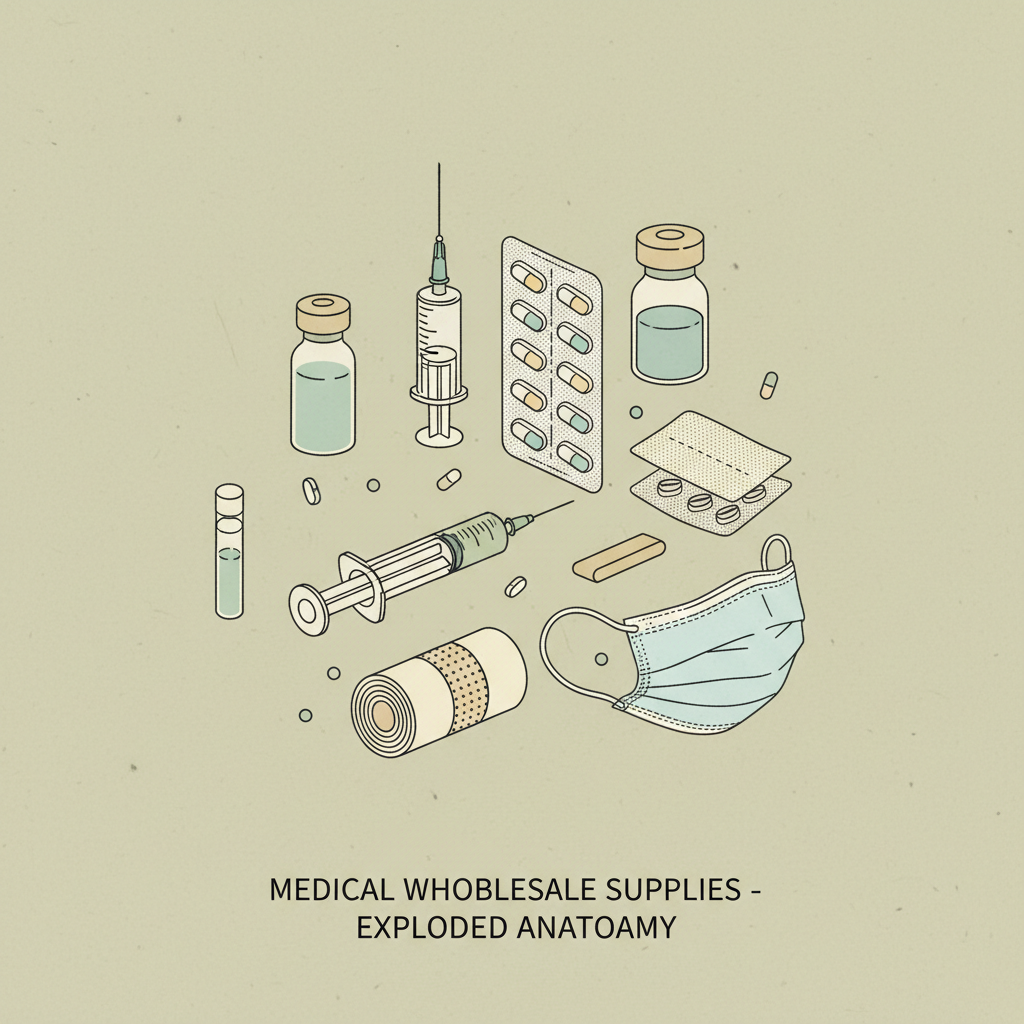
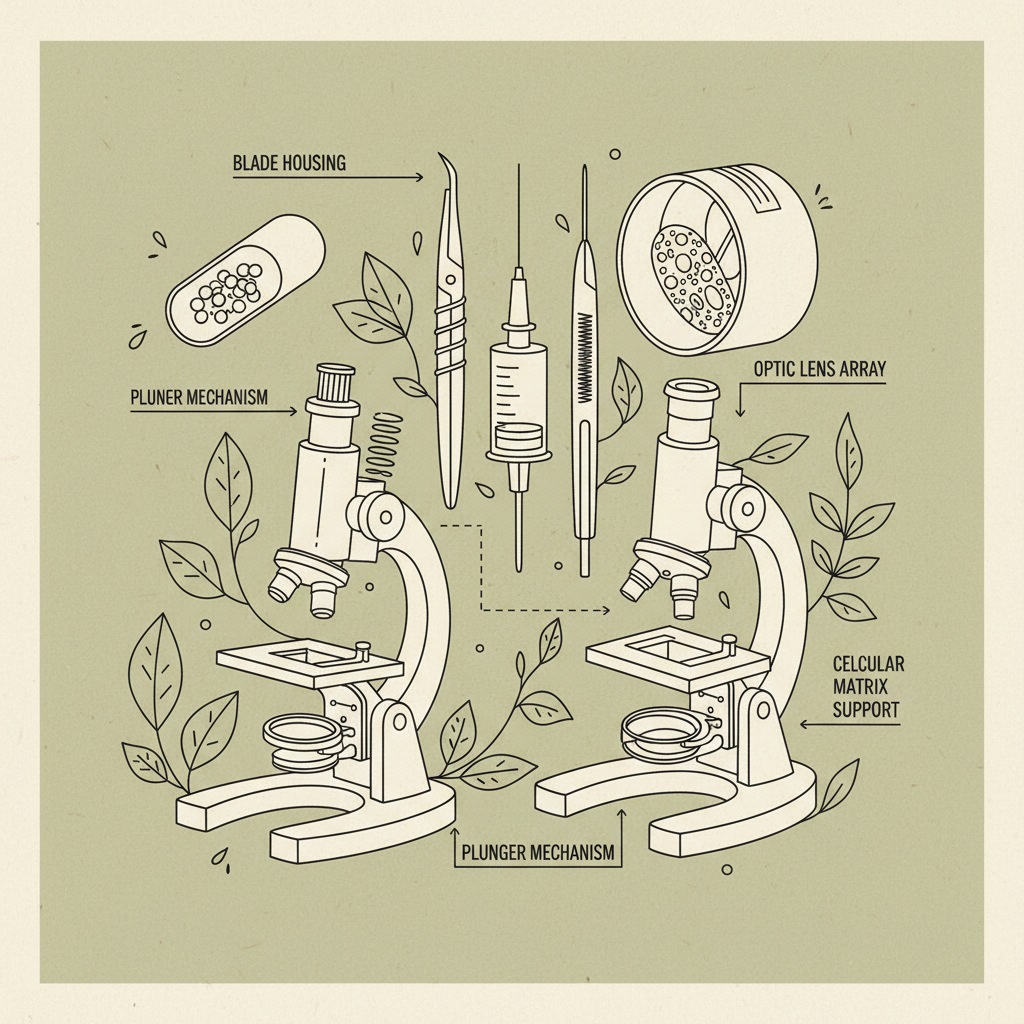
Strangely, the biggest problems I see aren't usually with the high-tech stuff. It's the basics. Like, syringes. You'd think it's a simple product, right? But I’ve seen so many designs where the plunger is too stiff, or the markings are hard to read. It sounds minor, but it can make a huge difference for a nurse who’s administering medication. And sourcing? Don’t even get me started on the counterfeit products. It's a serious issue. You gotta know your suppliers, do your due diligence, and have a solid quality control process in place.

I once saw a batch of IV tubing that was… let’s just say it didn’t meet the required tensile strength. A nurse almost had a serious accident. It’s scary stuff.

The biggest mistake people make is designing something that looks good in the catalog but doesn't actually work well in a real clinical setting. You need to get feedback from the people who are actually using the products – doctors, nurses, technicians. They'll tell you what works and what doesn’t. And listen to them!

The Materials: It's Not Just Plastic & Metal

Now, materials. It's more than just picking the cheapest option. The feel of a medical glove, for instance - that’s important. You want something that’s comfortable, durable, and provides a good grip. Latex is still widely used, but there's a growing demand for nitrile and vinyl gloves due to allergy concerns. Nitrile smells… well, kind of like rubber and chemicals, but it’s a necessary trade-off for a lot of people.

Then you've got the stainless steel used in surgical instruments. It needs to be corrosion-resistant, sterilizable, and able to withstand repeated use. I was at a factory in Germany a few months ago, and they were showing me their new alloy. Apparently, it's even more resistant to pitting than the standard 316 stainless. The finish felt… smoother, more polished. It’s the small details that matter.

And don’t forget about the packaging materials. It has to protect the product during shipping and storage, maintain sterility, and be easy to open in an emergency. You see a lot of plastic, of course, but there's a growing interest in biodegradable packaging options. It's expensive, but it's a step in the right direction.

Real-World Testing & Application Scenarios

Forget the lab. Labs are useful, sure, but they don't tell you how something will hold up when a stressed-out surgeon is using it in the middle of a critical operation. You need to test things in a real-world environment. I've seen equipment fail because it couldn't withstand the constant cleaning and sterilization procedures.

We do a lot of field trials with hospitals. We let them use the products, get their feedback, and then make adjustments based on their experience. It’s a pain, to be honest – lots of paperwork and coordination – but it's worth it. That's where you learn the truth.

Medical Products Wholesale Performance Metrics


The Pros, Cons, & Customization Options

The advantages of a reliable medical products wholesale supply chain are obvious: cost savings, reduced risk of shortages, and improved patient care. But the disadvantages? The potential for delays, the complexity of managing inventory, and the constant need to stay up-to-date with regulations. Later... forget it, I won’t mention it.

Customization is becoming more and more important. That small boss in Shenzhen who makes smart home devices insisted on changing the interface to on a batch of blood pressure monitors last month, and the result was a three-week delay and a very angry client. He said it was "for the future." I just told him to stick to what works.

Navigating Global Supply Chains

Global supply chains… they're a beast. You're dealing with different time zones, different cultures, different regulations. And then you throw in political instability and natural disasters… it’s a constant headache. You need to have backup suppliers, contingency plans, and a really good logistics team.

I’ve seen companies get completely crippled by a disruption in the supply of a single component. It’s a wake-up call.

The key is diversification. Don’t put all your eggs in one basket. Spread your risk across multiple suppliers and multiple regions. It’s more work upfront, but it will save you a lot of pain in the long run.

Long-Term Reliability and Performance

Ultimately, it all comes down to reliability. Can you consistently deliver the products that your customers need, on time and at the right price? That’s the question you need to answer.

We track everything – lead times, defect rates, customer satisfaction. We use data to identify areas for improvement and to make sure we're meeting our customers' expectations. It's a never-ending process.

I saw a table like this sketched out on a napkin once at a trade show, it's a rough idea...

Key Performance Indicators for Medical Products Wholesale

Supplier Reliability Order Fulfillment Rate Product Defect Rate Cost Efficiency
95% 98% 0.5% 8/10
88% 92% 1.2% 6/10
99% 99% 0.1% 10/10
75% 85% 2.5% 3/10
92% 95% 0.8% 7/10
85% 90% 1.5% 5/10

FAQS

What are the key regulatory challenges in medical products wholesale?

Navigating the regulatory landscape for medical products wholesale is complex. It involves compliance with FDA regulations (in the US), CE marking requirements (in Europe), and various national and international standards. Key challenges include maintaining proper documentation, ensuring traceability, and adhering to strict quality control measures. Staying updated on changing regulations is crucial, as non-compliance can result in hefty fines and product recalls. It’s a constant battle, believe me.

How do I verify the authenticity of a medical product supplier?

Verifying supplier authenticity is critical to avoid counterfeit products. Start by checking their registration with relevant regulatory bodies. Request copies of their certifications, licenses, and quality control documents. Conduct a site audit if possible. Look for red flags like unusually low prices, lack of transparency, or a reluctance to provide detailed information. And always, always trust your gut. If something feels off, investigate further.

What is the role of temperature control in medical products wholesale?

Temperature control is paramount, especially for temperature-sensitive products like vaccines and blood products. Maintaining the correct temperature throughout the supply chain is essential to preserve efficacy and safety. This requires validated cold chain packaging, temperature monitoring devices, and strict adherence to SOPs. Any deviation can render the product unusable. We use data loggers extensively to ensure compliance.

What are the best practices for managing recalls in medical products wholesale?

Recalls are inevitable, unfortunately. The key is to have a robust recall plan in place. This includes clear procedures for identifying affected products, notifying customers, and retrieving the products from the market. Maintaining accurate inventory records is essential for efficient recall management. Communication is critical – keep all stakeholders informed throughout the process. It’s a mess, but you gotta handle it efficiently.

How can I optimize my inventory management for medical products wholesale?

Optimizing inventory is all about balancing supply and demand. Use forecasting tools to predict future needs. Implement a just-in-time (JIT) inventory system to minimize storage costs. Regularly review your inventory levels and identify slow-moving items. Consider using a warehouse management system (WMS) to automate processes and improve efficiency. It’s a constant juggling act.

What are the emerging trends in medical products wholesale technology?

We’re seeing a lot of interest in blockchain technology for enhancing traceability and security. AI-powered analytics are being used to optimize inventory management and predict demand. Robotics and automation are being implemented in warehouses to improve efficiency. And, of course, there's the continued push towards cloud-based solutions for greater collaboration and data accessibility. It's all evolving quickly, and you gotta stay ahead of the curve.

Conclusion

So, to wrap things up, medical products wholesale is a complex and ever-changing industry. It requires a deep understanding of regulations, logistics, and customer needs. It's not just about moving products from point A to point B – it's about ensuring patient safety and delivering quality care. The increasing focus on sustainability, traceability, and customization will continue to shape the industry in the years to come.

Ultimately, whether this thing works or not, the worker will know the moment he tightens the screw. And that's the truth of it. If you’re looking for a reliable partner for your medical product wholesale needs, visit our website: orientmedicare.com

Daniel Wilson

Daniel Wilson

Daniel Wilson is a Senior Quality Control Specialist at Hebei OrientMed, ensuring all products adhere to the highest standards of safety and efficacy. He’s responsible for overseeing the quality assurance process, from raw material sourcing to final product inspection. Daniel has a strong background in pharmaceutical manufacturing and a meticulous
Previous Navigating Challenges in Medical Products for Sale and Innovative Design
Next Navigating the Complex Landscape of a Medical Products Supplier
contuct-us
For more details pls contact us

If you are interested in our products, you can choose to leave your information here, and we will be in touch with you shortly.