The global demand for robust and reliable healthcare solutions has propelled the medical ppe kit into a position of critical importance. From frontline healthcare workers battling infectious diseases to individuals seeking personal protection against environmental hazards, the need for effective personal protective equipment (PPE) is paramount. Understanding the nuances of a comprehensive medical ppe kit – its components, applications, and future trends – is no longer solely a concern for medical professionals but a vital aspect of public health preparedness and individual well-being.
The recent global events have underscored the fragility of supply chains and the critical role of readily available, high-quality PPE. A well-curated medical ppe kit isn’t just about protection; it's about ensuring continuity of care, safeguarding the workforce, and bolstering community resilience. Investing in and understanding these kits is a proactive step toward a safer and healthier future.
This understanding extends beyond simple procurement; it includes proper usage, maintenance, and disposal protocols. A comprehensive approach to medical ppe kit management is crucial for maximizing its effectiveness and minimizing environmental impact, leading to increased safety and peace of mind.
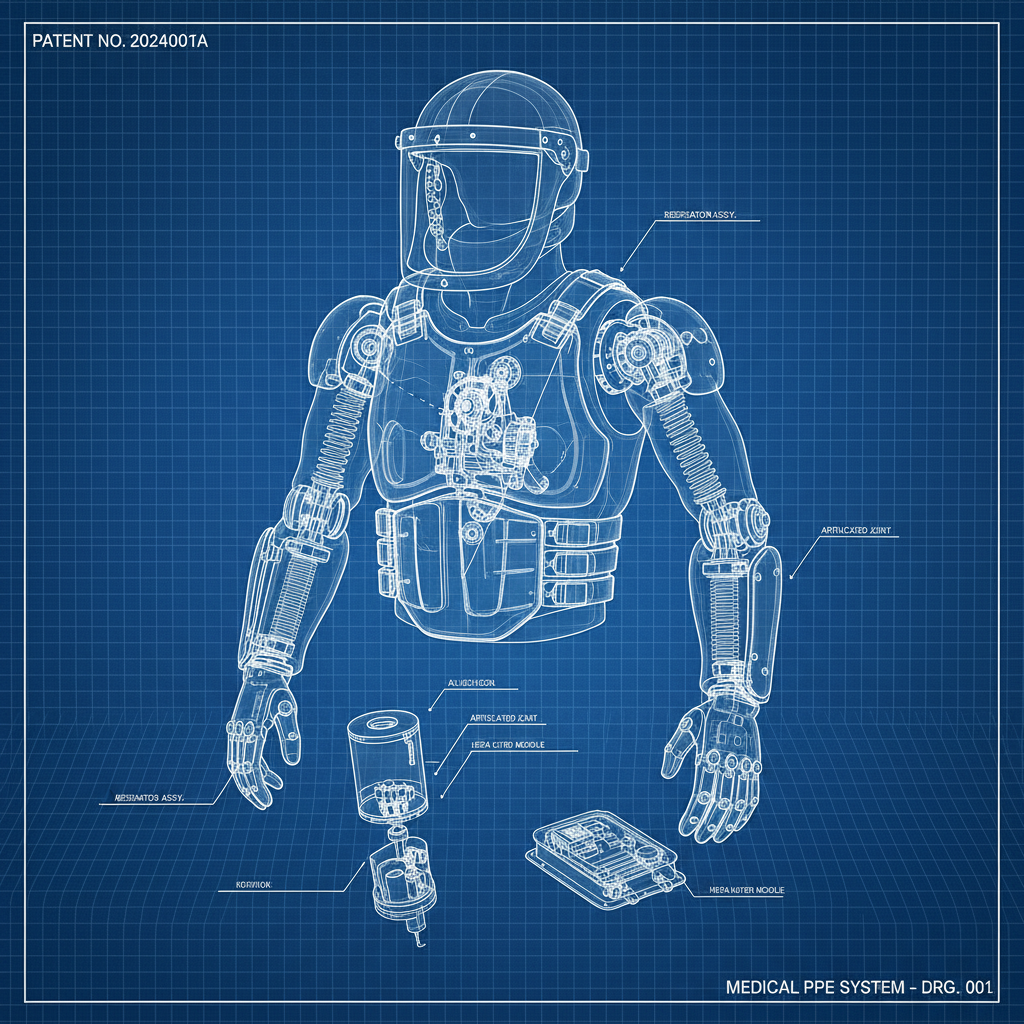
A readily available and well-stocked medical ppe kit is essential for protecting healthcare workers and patients alike. It’s a crucial line of defense against the spread of infectious diseases and hazardous materials, minimizing risks in various healthcare settings. The effectiveness of a medical ppe kit depends not only on the quality of its components but also on proper training and adherence to established protocols.
Beyond hospitals and clinics, these kits are becoming increasingly important in other sectors, including emergency response, public health initiatives, and even personal preparedness. The ability to quickly deploy a comprehensive medical ppe kit can significantly mitigate risks and ensure a swift and effective response to unforeseen events.
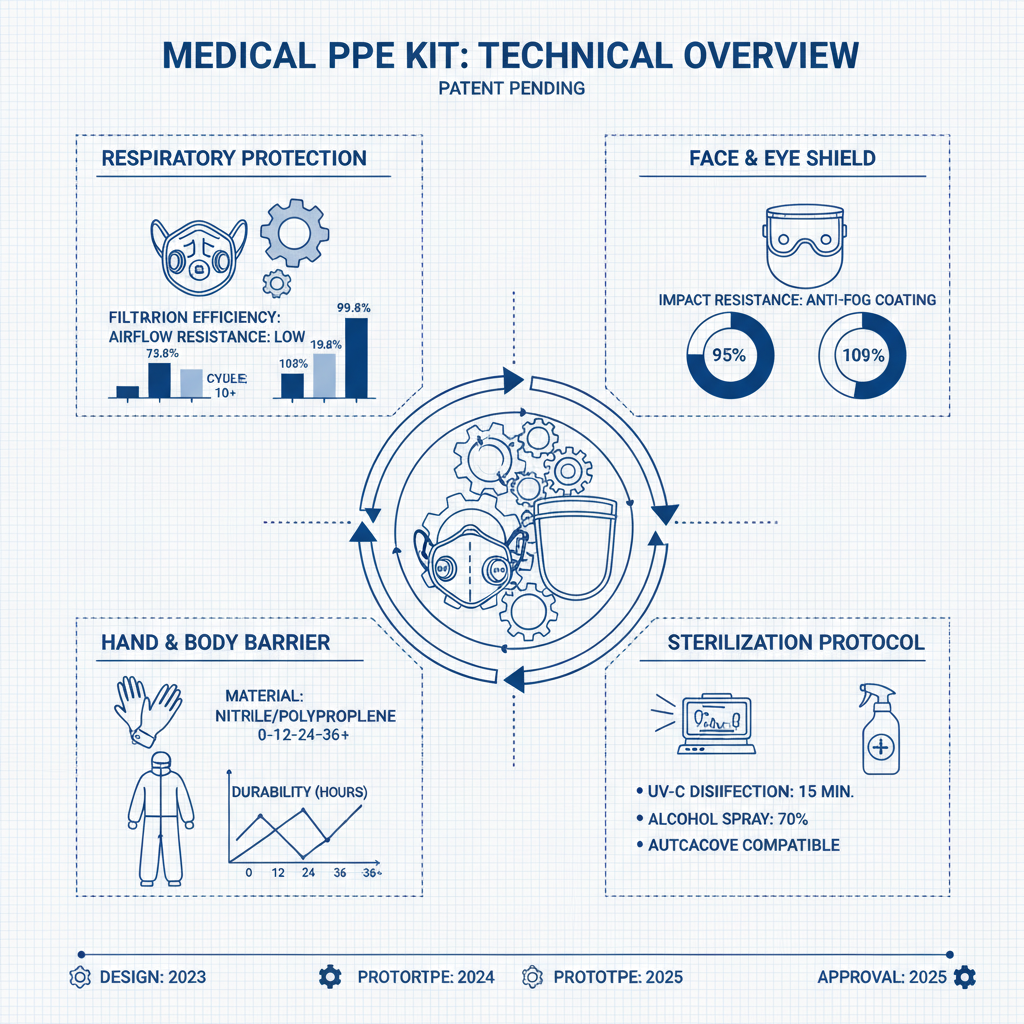
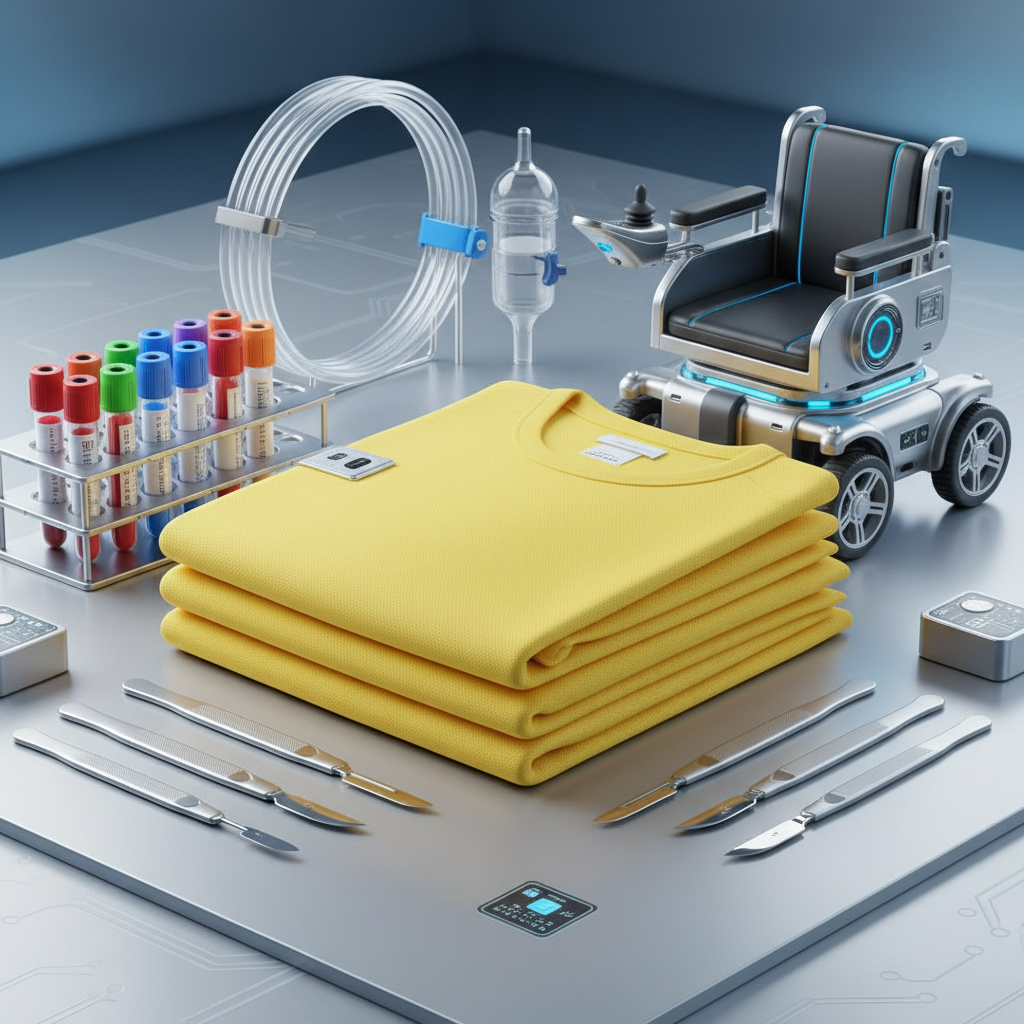
A medical ppe kit is a collection of protective garments and equipment designed to shield healthcare professionals and individuals from exposure to potentially infectious agents, hazardous substances, and other workplace risks. It typically includes items like gloves, gowns, masks, eye protection (goggles or face shields), and respirators. The specific contents of a medical ppe kit can vary depending on the intended use and the level of protection required.
The modern medical ppe kit has evolved significantly in response to emerging health threats and advancements in materials science. It’s no longer a static assortment of items but a dynamic system tailored to specific needs and risks. The importance of standardized kits allows for efficient deployment and ensures a consistent level of protection.
Furthermore, the definition of a medical ppe kit now often includes considerations for sustainability and responsible disposal, recognizing the environmental impact of single-use PPE and promoting the use of reusable or biodegradable alternatives where feasible.
The core components of a medical ppe kit are meticulously chosen for their protective qualities and specific roles in preventing contamination. Gloves, typically made of nitrile or latex, serve as a primary barrier against direct contact with infectious materials. Gowns, often disposable, provide full-body protection against splashes and sprays.
Masks and respirators are critical for respiratory protection, filtering out airborne particles and pathogens. The level of filtration varies, with N95 respirators offering a higher level of protection than surgical masks. Eye protection, in the form of goggles or face shields, prevents exposure to splashes and aerosols that could enter through the eyes. Finally, shoe covers contribute to preventing the spread of contamination via footwear.
The quality and appropriate selection of each component are vital for ensuring the overall effectiveness of the medical ppe kit. Proper fit and consistent use are equally important, requiring training and adherence to established protocols.
Durability and reliability are paramount concerns when assessing a medical ppe kit. Compromised PPE can leave healthcare workers vulnerable to infection and compromise patient safety. Materials must withstand the rigors of use, resisting tears, punctures, and degradation from exposure to chemicals or biological agents.
Reliability extends beyond material strength to include consistent manufacturing quality and adherence to industry standards (e.g., ASTM, EN). Regular quality control checks and certifications are essential for verifying that the medical ppe kit meets specified performance criteria.
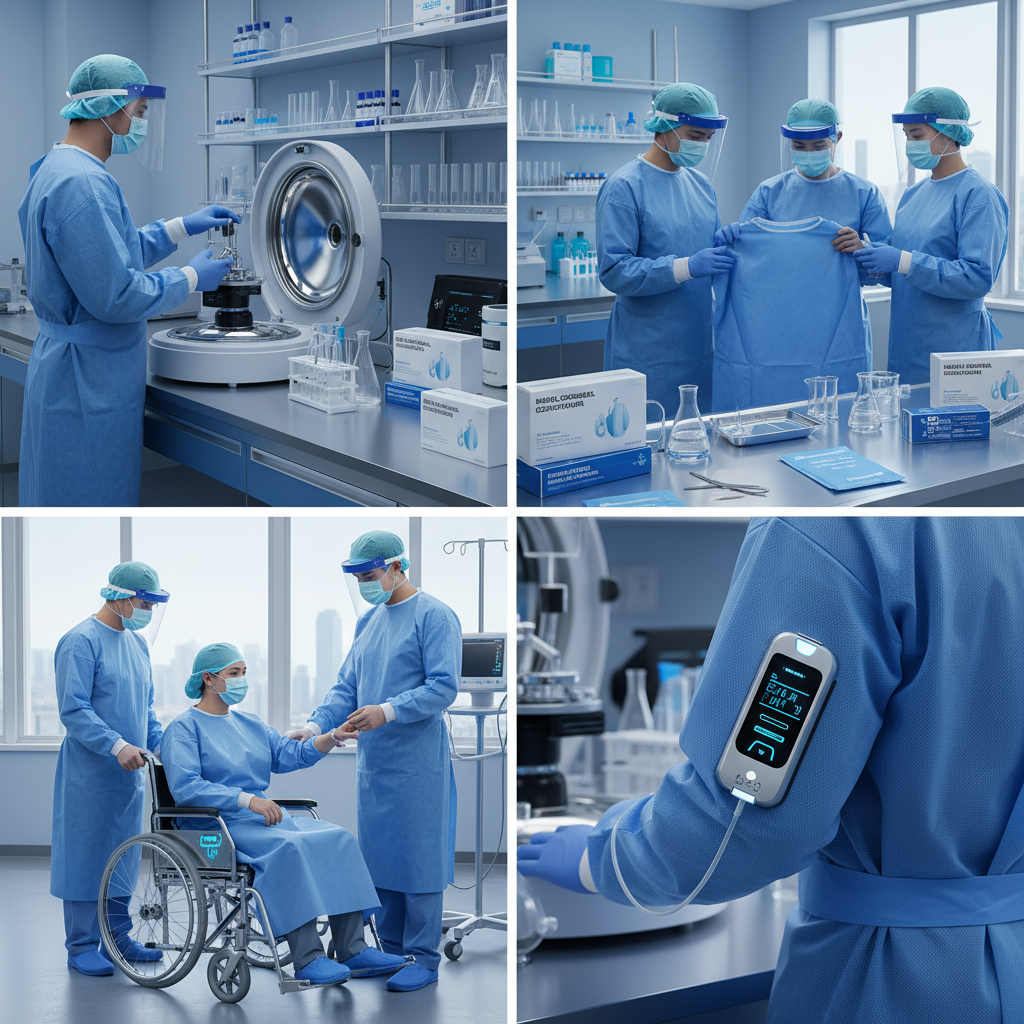
The applications of medical ppe kits are broad and span across diverse geographical regions and industries. In healthcare settings worldwide, they are essential for protecting medical personnel from infectious diseases like COVID-19, influenza, and HIV.
Beyond traditional healthcare, these kits are crucial in emergency response situations, such as natural disasters and outbreaks of infectious diseases. They are also used in laboratory settings, pharmaceutical manufacturing, and hazardous waste management. In post-disaster relief operations, rapid deployment of medical ppe kits is critical for providing immediate care and preventing the spread of disease.
Investing in high-quality medical ppe kits offers numerous tangible benefits. Reduced healthcare-associated infections lead to lower treatment costs and improved patient outcomes. Protecting healthcare workers safeguards the workforce and maintains continuity of care. The long-term value lies in bolstering public health infrastructure and preparedness for future health crises.
Beyond the economic advantages, there's a significant social impact. Providing healthcare workers with adequate protection fosters a sense of safety and dignity, enhancing morale and job satisfaction. A robust PPE supply chain builds trust within the community, demonstrating a commitment to public health and well-being.
The peace of mind that comes from knowing that adequate protection is available during a health emergency is invaluable. A proactive approach to PPE procurement demonstrates responsible leadership and a commitment to safeguarding the health of both individuals and communities.
The future of medical ppe kits is poised for significant innovation, driven by advancements in materials science, nanotechnology, and digital technology. We're seeing the development of self-sterilizing materials, smart PPE with embedded sensors, and more sustainable and biodegradable alternatives.
The integration of digital technologies, such as RFID tags and blockchain, will enhance supply chain traceability and prevent counterfeiting. Automated monitoring systems will ensure proper PPE usage and adherence to protocols. Furthermore, advancements in 3D printing are enabling the rapid prototyping and customization of PPE to meet specific needs.
These innovations are not merely technological improvements; they represent a shift toward a more proactive, sustainable, and resilient approach to healthcare protection. The ultimate goal is to create PPE that is not only effective but also comfortable, affordable, and environmentally responsible.
| Material Innovation | Technological Integration | Sustainability Focus | Regulatory Compliance |
|---|---|---|---|
| Development of antimicrobial fabrics | Smart PPE with sensor integration | Increased use of biodegradable materials | Stringent adherence to ASTM and EN standards |
| Advanced polymer research for enhanced durability | Blockchain for supply chain traceability | Reduced reliance on single-use plastics | Compliance with evolving FDA guidelines |
| Nanotechnology for improved filtration efficiency | Automated PPE usage monitoring systems | Design for recyclability and reuse | International harmonization of PPE standards |
| Development of lightweight, breathable materials | AI-powered PPE defect detection | Life cycle assessment of PPE products | Regular audits of PPE manufacturing facilities |
| Enhanced resistance to chemical and biological agents | Virtual reality training for PPE donning and doffing | Closed-loop PPE recycling programs | Implementation of track and trace systems |
| Improved comfort and ergonomics for extended use | Data analytics for PPE demand forecasting | Transition to circular economy models for PPE | Enhanced post-market surveillance of PPE performance |
A basic medical PPE kit generally includes gloves, a gown or apron, a surgical mask, and eye protection such as goggles or a face shield. The specific contents can vary depending on the potential exposure risks, but these components provide fundamental protection against common infectious agents and hazardous materials. Ensuring all items are of appropriate quality and correctly sized is crucial for optimal effectiveness.
Medical PPE should be replaced or discarded when it becomes damaged, contaminated, or visibly soiled. Gloves should be changed between patients and anytime they are torn or punctured. Gowns and aprons should be replaced if they become saturated with fluids or contaminated with blood or body fluids. Masks and respirators should be changed according to manufacturer's instructions or if they become difficult to breathe through.
Doffing PPE requires a specific sequence to minimize the risk of self-contamination. Generally, this involves removing gloves first, followed by the gown or apron, then eye protection, and finally the mask or respirator. Each step should be performed carefully to avoid touching contaminated surfaces. Hands should be thoroughly washed with soap and water or sanitized immediately after removing PPE.
The choice of respirator depends on the level of respiratory protection required. Surgical masks offer basic protection against large droplets, while N95 respirators filter out at least 95% of airborne particles. For higher-risk situations involving airborne pathogens, powered air-purifying respirators (PAPRs) may be necessary. It’s crucial to receive proper fit testing and training before using any type of respirator.
Yes, there's growing interest in sustainable alternatives to disposable medical PPE. These include reusable gowns and drapes made from durable fabrics, biodegradable gloves and masks, and innovative materials like seaweed-based polymers. While cost and performance considerations remain, the development of sustainable PPE is gaining momentum as healthcare organizations seek to reduce their environmental impact.
Reliable suppliers of certified medical PPE kits are crucial for ensuring quality and safety. Look for vendors who comply with relevant industry standards (e.g., FDA, CE) and provide documentation of product testing and certification. Orient Medicare is a trusted source for high-quality medical ppe kits, offering a wide range of products to meet various healthcare needs.
In conclusion, a well-defined and readily available medical ppe kit is no longer merely a safeguard for healthcare professionals; it is a cornerstone of public health preparedness and individual safety. From understanding the critical components and ensuring their durability to embracing innovative technologies and sustainable practices, a proactive approach to medical ppe kit management is essential for mitigating risks and building resilience against future health challenges.
Looking ahead, continued investment in research and development, coupled with a commitment to standardized protocols and rigorous quality control, will be vital for advancing the effectiveness and accessibility of medical ppe kits globally. Visit our website at www.orientmedicare.com to explore our comprehensive range of medical ppe kits and solutions tailored to your specific needs.
If you are interested in our products, you can choose to leave your information here, and we will be in touch with you shortly.